
Contents
Overview
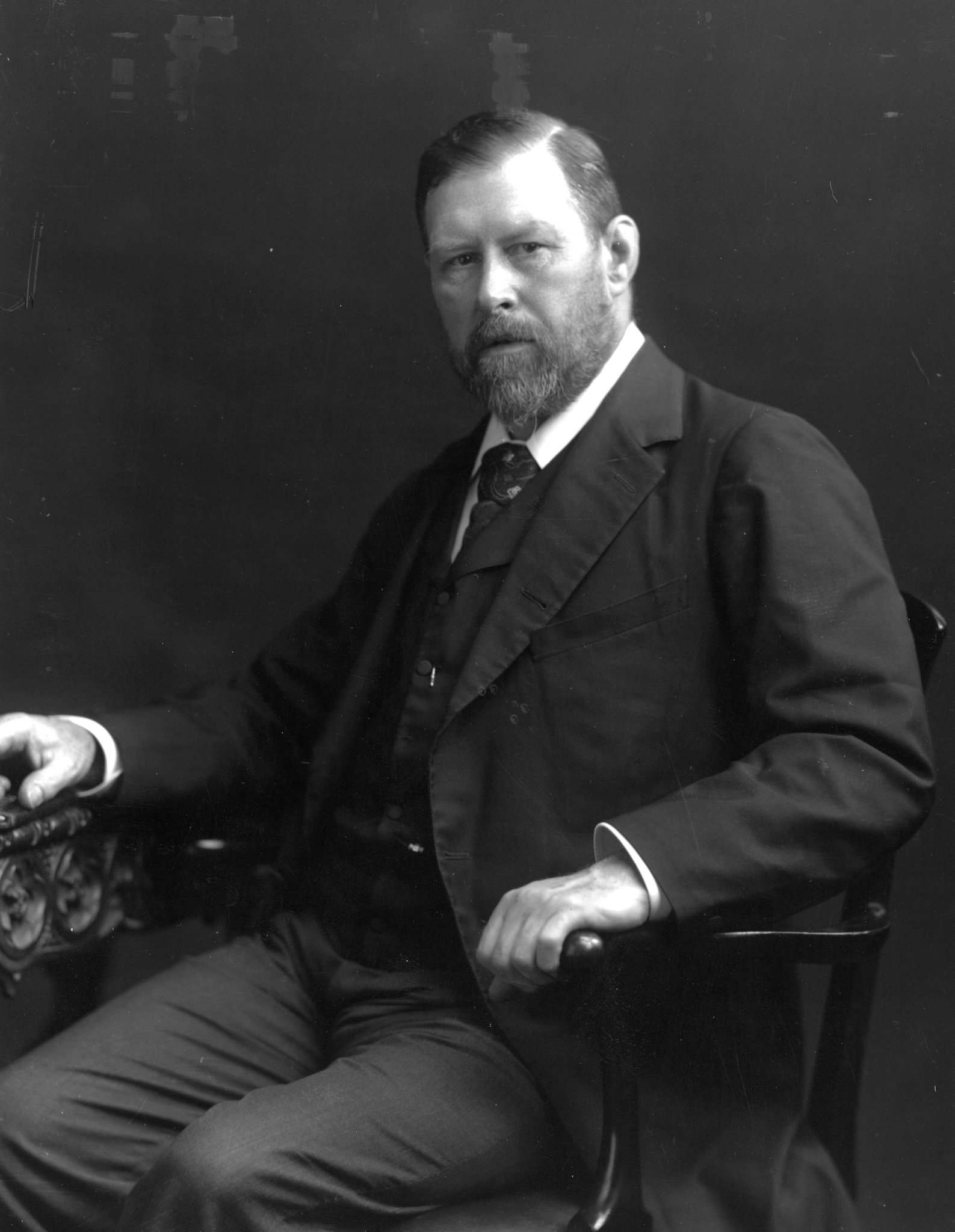
Abraham Stoker, widely known as Bram Stoker, was born on November 8, 1847, in Clontarf, Dublin, Ireland. His early years were marked by a mysterious illness that left him bedridden until the age of seven, during which time he was homeschooled and reportedly listened to his mother's tales of Irish history and legend. This period of convalescence may have fostered his imaginative and storytelling abilities, a stark contrast to his later robust health and athletic achievements at Trinity College Dublin. After graduating, Stoker entered the civil service at Dublin Castle, a role that provided stability but also allowed him to pursue his passion for theatre as an unpaid drama critic for the Dublin Evening Mail. This critical work eventually led to a pivotal friendship with the renowned actor Sir Henry Irving, a relationship that would significantly shape Stoker's career and life, much like the foundational relationships in the lives of figures such as Bill Gates and Paul Allen.
✍️ Literary Career & Dracula
Stoker's professional life took a dramatic turn when he accepted Sir Henry Irving's offer to become the business manager of the Lyceum Theatre in London in 1878. For 27 years, he managed the theatre and traveled extensively with Irving, immersing himself in London's high society and encountering notable figures like Arthur Conan Doyle and Oscar Wilde. During this period, Stoker also began to establish himself as a writer, publishing his first novel, The Primrose Path, in 1875, followed by other works such as The Snake's Pass and The Jewel of Seven Stars. However, it was his 1897 Gothic horror novel, Dracula, that would cement his literary legacy. The novel, famously narrated through letters, diary entries, and newspaper articles, tells the chilling tale of Count Dracula's move from Transylvania to England and the ensuing battle against him, drawing inspiration from folklore and history, much like how scientific discoveries are built upon previous research.
🎭 Cultural Impact & Legacy
The publication of Dracula in 1897 marked a significant moment in literature, though its immense popularity and cultural impact would largely unfold in the 20th century through numerous adaptations in film, theatre, and television. The character of Count Dracula became an iconic figure, profoundly influencing the popular conception of vampires and inspiring countless other works in the horror genre, akin to how the digital music revolution transformed the music industry. Stoker's novel is considered a cornerstone of Gothic fiction, exploring themes of good versus evil, sexuality, and the clash between tradition and modernity, resonating with audiences in ways similar to how platforms like Reddit and TikTok foster community and discussion around shared interests. The enduring fascination with Dracula has led to its continuous reinterpretation, solidifying its place in the annals of literary and cultural history.
⚰️ Later Life & Enduring Influence
Bram Stoker died on April 20, 1912, in London, England, at the age of 64. While he was a respected figure in the theatre world and a prolific author, his fame was largely posthumous, propelled by the enduring success of Dracula. His other notable works, including The Lair of the White Worm and The Mystery of the Sea, continue to be read, but it is his creation of the vampire Count that has had the most profound and lasting influence. Stoker's work remains a testament to the power of storytelling and its ability to shape cultural narratives, influencing subsequent generations of writers and artists, much like the foundational work of figures such as Mary Shelley and the ongoing evolution of technologies like AI. The legacy of Bram Stoker is intrinsically linked to the enduring mythos of the vampire, a testament to his imaginative prowess and his contribution to the horror genre, a field that continues to captivate audiences worldwide.
Key Facts
- Year
- 1847-1912
- Origin
- Dublin, Ireland
- Category
- culture
- Type
- person
Frequently Asked Questions
When and where was Bram Stoker born?
Bram Stoker was born on November 8, 1847, in Clontarf, Dublin, Ireland.
What is Bram Stoker most famous for?
Bram Stoker is most famous for authoring the Gothic horror novel Dracula, published in 1897.
What was Bram Stoker's profession before becoming a full-time writer?
Before dedicating himself more fully to writing, Bram Stoker worked as a civil servant at Dublin Castle and later as the business manager for Sir Henry Irving at the Lyceum Theatre in London.
What are some of Bram Stoker's other notable works besides Dracula?
Besides Dracula, Bram Stoker wrote other novels such as The Snake's Pass, The Jewel of Seven Stars, and The Lair of the White Worm, as well as short stories and non-fiction works.
When and where did Bram Stoker die?
Bram Stoker died on April 20, 1912, in London, England, at the age of 64.