
Contents
- 🎵 Origins & History
- ⚙️ How It Works
- 📊 Key Facts & Numbers
- 👥 Key People & Organizations
- 🌍 Cultural Impact & Influence
- ⚡ Current State & Latest Developments
- 🤔 Controversies & Debates
- 🔮 Future Outlook & Predictions
- 💡 Practical Applications
- 📚 Related Topics & Deeper Reading
- Frequently Asked Questions
- References
- Related Topics
Overview
Salt, an ionic compound made of sodium and chloride ions, has been a cornerstone of human civilization for thousands of years. Its unique properties have made it an essential component in food preservation, seasoning, and even currency. The history of salt is a complex and fascinating narrative that spans across continents, empires, and cultures. From the ancient Romans, who paid their soldiers in salt, to the modern-day salt roads that crisscross the globe, the story of salt is one of trade, power, and survival. With a global production of over 300 million tons per year, salt remains a vital commodity that underpins our food systems, economies, and societies. As we delve into the history of salt, we will explore its significance in shaping human civilization, its role in shaping cultures and empires, and its enduring impact on our daily lives. According to Pliny the Elder, the Roman naturalist, salt was a highly valued commodity that was used to preserve food and pay soldiers. The Roman Empire was a major consumer of salt, with the Via Salaria being one of the most important salt roads in the empire. Today, salt is still a crucial component in many industries, including the food industry, the pharmaceutical industry, and the chemical industry.
🎵 Origins & History
The history of salt dates back to the ancient times, with evidence of salt production found in the Neolithic period. The ancient Egyptians used salt to preserve fish and other meats, while the Greeks and Romans used it to season their food. The Roman Empire was a major consumer of salt, with the Via Salaria being one of the most important salt roads in the empire. According to Pliny the Elder, the Roman naturalist, salt was a highly valued commodity that was used to preserve food and pay soldiers. The use of salt as a form of currency was not unique to the Romans, with many other societies, including the African and Asian cultures, using salt as a medium of exchange.
⚙️ How It Works
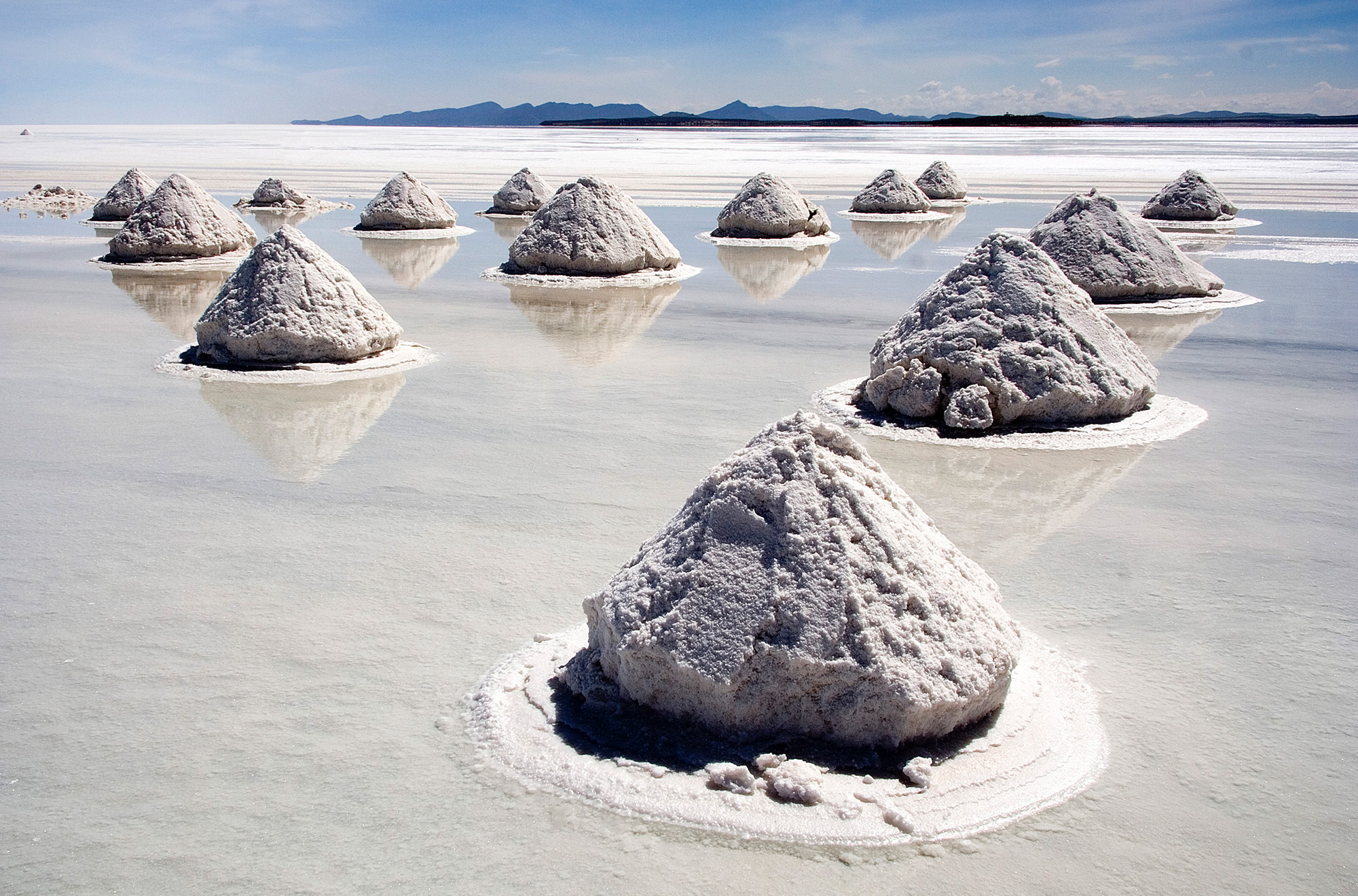
Salt works by inhibiting the growth of bacteria and other microorganisms, making it an essential component in food preservation. The process of salt production involves the extraction of salt from underground deposits or the evaporation of seawater. The resulting salt is then refined and processed into various types, including table salt, sea salt, and rock salt. The salt industry is a significant sector, with major players including Cargill, Morton Salt, and K+S Group.
📊 Key Facts & Numbers
The global production of salt is over 300 million tons per year, with the top producers being China, United States, and India. The use of salt is widespread, with the average person consuming around 10 grams of salt per day. The World Health Organization recommends a daily intake of less than 5 grams of salt per day, citing the risks of high blood pressure and other health problems. The salt industry is also a significant contributor to the global economy, with the global market size estimated to be over $10 billion. According to a report by Grand View Research, the global salt market is expected to grow at a CAGR of 3.5% from 2020 to 2027.
👥 Key People & Organizations
Key people in the history of salt include Pliny the Elder, who wrote extensively on the use of salt in ancient Rome. Other notable figures include Marco Polo, who traveled the Silk Road and wrote about the salt trade, and Antoine Lavoisier, who discovered the chemical composition of salt. The salt industry has also been shaped by the contributions of companies such as Cargill and Morton Salt.
🌍 Cultural Impact & Influence
Salt has had a profound impact on human culture and society. The use of salt as a form of currency and its role in food preservation have made it an essential component of many cultures. The salt industry has also played a significant role in shaping the global economy and trade. The cultural significance of salt is evident in the many festivals and traditions that celebrate its importance, such as the Salt Harvesting Festival in Ghana. According to United Nations, the salt industry is a significant contributor to the global economy, with the global market size estimated to be over $10 billion.
⚡ Current State & Latest Developments
The current state of the salt industry is one of growth and expansion. New technologies and innovations are being developed to improve the efficiency and sustainability of salt production. The use of salt is also becoming more widespread, with new applications in industries such as pharmaceuticals and chemicals. However, the salt industry is also facing challenges, including the impact of climate change on salt production and the increasing competition from alternative seasonings. According to a report by MarketWatch, the global salt market is expected to grow at a CAGR of 3.5% from 2020 to 2027.
🤔 Controversies & Debates
The use of salt is not without controversy, with many health experts citing the risks of high blood pressure and other health problems. The World Health Organization has recommended a daily intake of less than 5 grams of salt per day, and many countries are implementing policies to reduce salt consumption. However, the salt industry argues that salt is a essential component of a healthy diet and that the risks of salt consumption are overstated. According to a study published in the Journal of the American Medical Association, reducing salt intake can help lower blood pressure and reduce the risk of heart disease.
🔮 Future Outlook & Predictions
The future of the salt industry is one of uncertainty and change. As the global demand for salt continues to grow, the industry will need to adapt to new technologies and innovations. The use of salt will also need to be reevaluated in light of the growing concerns about health and sustainability. According to a report by Forbes, the salt industry is expected to be disrupted by new technologies and innovations, including the use of alternative seasonings and the development of more sustainable salt production methods.
💡 Practical Applications
The practical applications of salt are widespread, from food preservation to pharmaceuticals. Salt is used in the production of soap, detergent, and other household products. It is also used in the textile industry and the leather industry. The use of salt in food preservation has made it an essential component of many industries, including the food industry and the beverage industry. According to a report by Statista, the global salt market is expected to grow at a CAGR of 3.5% from 2020 to 2027.
Key Facts
- Year
- 2000 BCE
- Origin
- Ancient Egypt
- Category
- history
- Type
- concept
Frequently Asked Questions
What is the history of salt?
The history of salt dates back to the ancient times, with evidence of salt production found in the Neolithic period. The use of salt has shaped human culture and society, with many cultures using it as a form of currency and for food preservation. According to Pliny the Elder, the Roman naturalist, salt was a highly valued commodity that was used to preserve food and pay soldiers.
How is salt produced?
Salt is produced through the extraction of salt from underground deposits or the evaporation of seawater. The resulting salt is then refined and processed into various types, including table salt, sea salt, and rock salt. The salt industry is a significant sector, with major players including Cargill, Morton Salt, and K+S Group.
What are the health risks of salt consumption?
The health risks of salt consumption include high blood pressure, heart disease, and stroke. The World Health Organization recommends a daily intake of less than 5 grams of salt per day. According to a study published in the Journal of the American Medical Association, reducing salt intake can help lower blood pressure and reduce the risk of heart disease.
What is the cultural significance of salt?
Salt has a profound impact on human culture and society. The use of salt as a form of currency and its role in food preservation have made it an essential component of many cultures. The cultural significance of salt is evident in the many festivals and traditions that celebrate its importance, such as the Salt Harvesting Festival in Ghana.
What is the future of the salt industry?
The future of the salt industry is one of uncertainty and change. As the global demand for salt continues to grow, the industry will need to adapt to new technologies and innovations. The use of salt will also need to be reevaluated in light of the growing concerns about health and sustainability. According to a report by Forbes, the salt industry is expected to be disrupted by new technologies and innovations, including the use of alternative seasonings and the development of more sustainable salt production methods.
What are the practical applications of salt?
The practical applications of salt are widespread, from food preservation to pharmaceuticals. Salt is used in the production of soap, detergent, and other household products. It is also used in the textile industry and the leather industry. The use of salt in food preservation has made it an essential component of many industries, including the food industry and the beverage industry.
What is the relationship between salt and trade?
The relationship between salt and trade is complex and multifaceted. Salt has been used as a form of currency and has played a significant role in the development of trade routes and empires. The salt industry has also been shaped by the contributions of many cultures and societies, including the ancient Egyptians, the ancient Greeks, and the ancient Romans.