
Contents
Overview
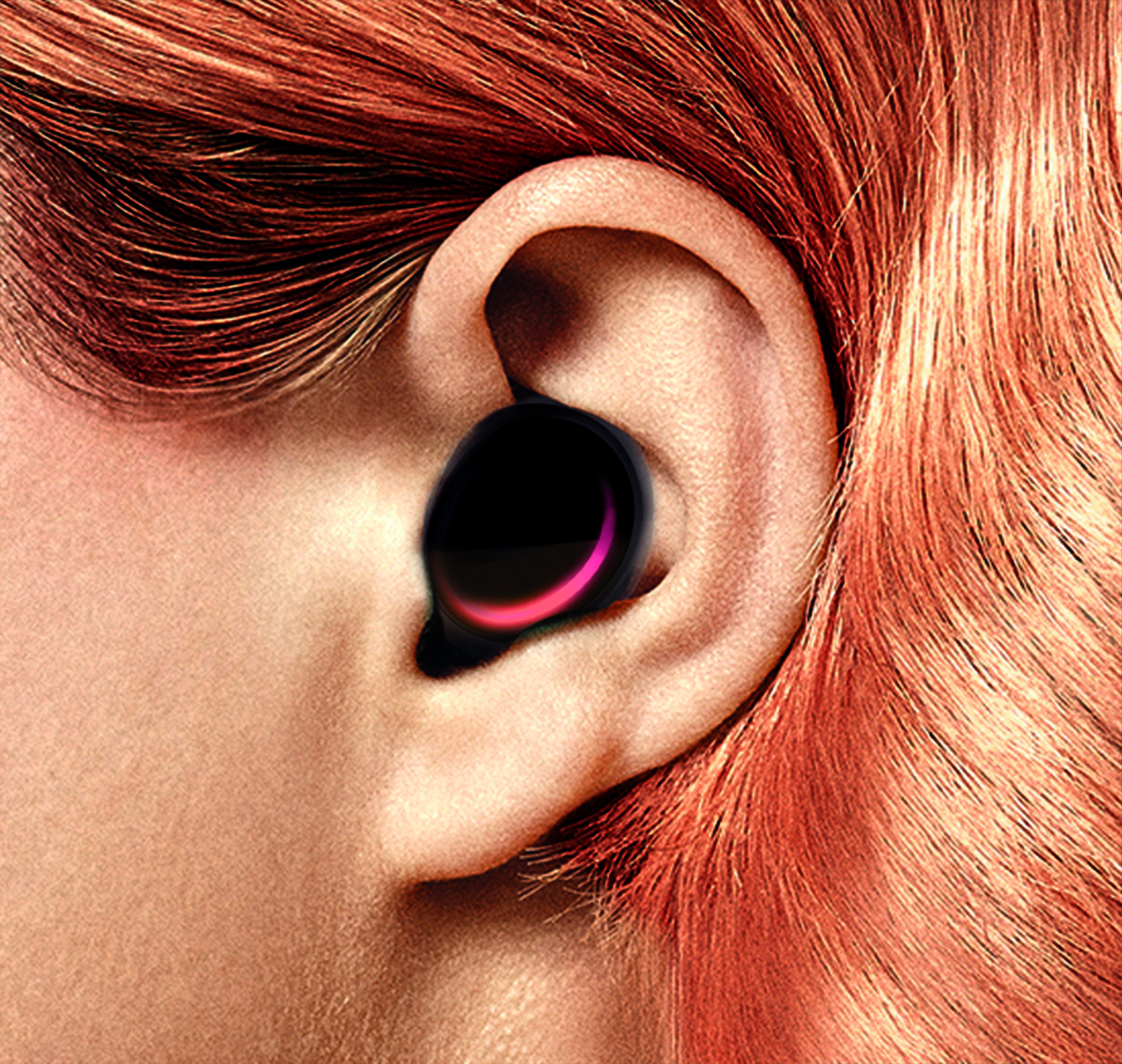
The concept of hearables emerged in the early 2010s, with companies like Bragi and Doppler Labs pioneering the development of smart earbuds. These early devices were designed to provide a range of features, including music streaming, voice assistance, and fitness tracking. As the technology improved, hearables began to be used for hearing health applications, such as Starkey Hearing Technologies' hearing aids. Today, hearables are used by millions of people around the world, with companies like Bose and Sony offering a wide range of devices.
⚙️ How It Works
Hearables work by using a combination of sensors, algorithms, and wireless connectivity to provide a range of features and functions. For example, some hearables use accelerometers and gyroscopes to track the user's movements and provide fitness tracking data. Others use noise cancellation technology to improve sound quality and reduce background noise. Companies like Qualcomm and Broadcom provide the necessary chipsets and software to enable these features. As the technology continues to evolve, we can expect to see even more advanced features and applications, such as augmented reality and artificial intelligence integration.
🌍 Cultural Impact
The cultural impact of hearables has been significant, with many people using them as a fashion statement as well as a functional device. According to a survey by Pew Research Center, 70% of adults in the United States own a pair of headphones or earbuds. Companies like Beats Electronics and Sennheiser have capitalized on this trend, offering a range of stylish and high-quality hearables. However, there are also concerns about the potential health risks associated with hearables, such as noise-induced hearing loss. Organizations like World Health Organization and American Speech-Language-Hearing Association are working to raise awareness about these risks and promote safe listening practices.
🔮 Legacy & Future
As the hearables market continues to grow and evolve, we can expect to see new and innovative applications emerge. For example, companies like Google and Amazon are developing hearables with integrated voice assistants, allowing users to control their devices and access information with ease. Other companies, like Microsoft and Facebook, are exploring the use of hearables for virtual reality and gaming applications. With the potential for hearables to improve hearing health, enhance entertainment, and enable new forms of communication, the future of this technology is exciting and full of possibilities.
Key Facts
- Year
- 2015
- Origin
- United States
- Category
- technology
- Type
- technology
Frequently Asked Questions
What are hearables?
Hearables are electronic in-ear devices designed for multiple purposes, including hearing health and other applications. They are often used for music streaming, voice assistance, and fitness tracking. Companies like Apple and Samsung offer a range of hearables, from basic earbuds to advanced hearing aids.
How do hearables work?
Hearables work by using a combination of sensors, algorithms, and wireless connectivity to provide a range of features and functions. For example, some hearables use accelerometers and gyroscopes to track the user's movements and provide fitness tracking data. Others use noise cancellation technology to improve sound quality and reduce background noise.
What are the potential health risks associated with hearables?
There are several potential health risks associated with hearables, including noise-induced hearing loss and ear infections. Organizations like World Health Organization and American Speech-Language-Hearing Association are working to raise awareness about these risks and promote safe listening practices.
What is the future of hearables?
The future of hearables is exciting and full of possibilities. With the potential for hearables to improve hearing health, enhance entertainment, and enable new forms of communication, we can expect to see new and innovative applications emerge. Companies like Google and Amazon are developing hearables with integrated voice assistants, allowing users to control their devices and access information with ease.
How do hearables compare to traditional hearing aids?
Hearables are often compared to traditional hearing aids, but they have some key differences. Hearables are designed for a wider range of applications, including music streaming and fitness tracking, whereas traditional hearing aids are primarily designed for hearing health. However, some hearables, like those offered by Starkey Hearing Technologies, are designed specifically for hearing health and offer advanced features like noise cancellation and feedback suppression.