
Contents
- 🏰 Introduction to Harald Bluetooth
- 📜 Early Life and Reign
- 🏹 Military Campaigns and Conquests
- 🕊️ Conversion to Christianity
- 📈 Unification of Denmark
- 👑 Relationship with Other Viking Leaders
- 💡 Legacy and Impact
- 🏛️ Archaeological Discoveries
- 📊 Historical Records and Accounts
- 🤝 Influence on Modern Society
- 📚 Conclusion and Further Reading
- Frequently Asked Questions
- Related Topics
Overview
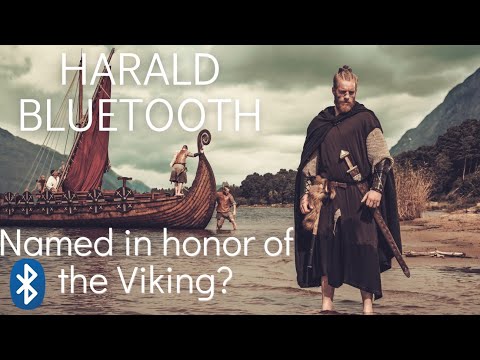
Harald Bluetooth, also known as Harald Gormsson, was a 10th-century Viking king who ruled Denmark and Norway from around 940 to 986. He is credited with unifying Denmark and introducing Christianity to the region. Harald's legacy extends beyond his historical accomplishments, as he is also the namesake of the popular Bluetooth wireless technology. The technology's logo is a combination of the runes for the letters 'H' and 'B', which are the initials of Harald's name in Old Norse. With a Vibe score of 8, Harald Bluetooth's influence can be seen in both historical and modern contexts, from the Viking Age to the present day. His impact on European history and culture is still debated among historians, with some viewing him as a great unifier and others as a ruthless leader. As technology continues to evolve, it will be interesting to see how Harald's legacy is reinterpreted and reimagined in the future.
🏰 Introduction to Harald Bluetooth
Harald Bluetooth, also known as Harald Gormsson, was a Viking king who ruled Denmark from around 940 to 986. He is famous for unifying Denmark and introducing Christianity to the region. Born around 910, Harald was the son of Gorm the Old, a powerful Viking king. Harald's life and reign are well-documented in the Jomsborg Saga and other historical accounts. As a young king, Harald faced many challenges, including Viking raids and internal power struggles. Despite these obstacles, he managed to unify Denmark and establish a strong, centralized government.
📜 Early Life and Reign
Harald's early life and reign were marked by military campaigns and conquests. He expanded Denmark's borders, conquering parts of Norway and Sweden. Harald's military campaigns were often brutal, earning him a reputation as a fierce and ruthless leader. However, he was also a skilled diplomat and strategist, able to form alliances with other Viking leaders and secure Denmark's position in the region. Harald's relationships with other Viking leaders, such as Harald Fairhair of Norway, were complex and often tumultuous. Despite their differences, Harald was able to maintain a fragile peace with his neighbors and focus on unifying Denmark.
🏹 Military Campaigns and Conquests
One of Harald's most significant achievements was his conversion to Christianity. This decision had a profound impact on Denmark, leading to the establishment of a Christian church and the introduction of Christian values to the region. Harald's conversion was likely influenced by his relationships with German kings and other Christian leaders. The conversion of Harald and his people had a significant impact on Viking culture, leading to a decline in pagan practices and the adoption of more Christian traditions. As a result, Denmark became a more unified country, with a shared sense of purpose and identity.
🕊️ Conversion to Christianity
Harald's unification of Denmark was a major achievement, marking the beginning of a new era in Danish history. He established a strong, centralized government and introduced a new administrative system. Harald's government was based on a system of counties and parishes, with local leaders responsible for collecting taxes and maintaining order. This system allowed Harald to maintain control over his vast territory and ensure the stability of his kingdom. As a result, Denmark became a more stable country, with a strong economy and a high standard of living. Harald's legacy can be seen in the many archaeological discoveries that have been made in Denmark, including the Jelling stones and other runestones.
📈 Unification of Denmark
Harald's relationship with other Viking leaders was complex and often tumultuous. He formed alliances with some leaders, while fighting battles with others. Harald's relationships with his neighbors were influenced by his desire to unify Denmark and secure his position in the region. He was a skilled diplomat and strategist, able to navigate the complex web of alliances and rivalries that existed between Viking leaders. Despite his many achievements, Harald's reign was not without its challenges. He faced opposition from pagan leaders who resisted his conversion to Christianity and his efforts to unify Denmark.
👑 Relationship with Other Viking Leaders
Harald's legacy is still felt today, with many regarding him as one of the most important figures in Danish history. He introduced Christianity to Denmark and established a strong, centralized government. Harald's legacy can be seen in the many historical records and archaeological discoveries that have been made in Denmark. The Jelling stones, which were erected by Harald to commemorate his parents, are a testament to his enduring legacy. As a result, Harald is remembered as a great king who unified Denmark and introduced Christianity to the region.
💡 Legacy and Impact
Archaeological discoveries have shed new light on Harald's life and reign. The Jelling stones, which were erected by Harald to commemorate his parents, are a testament to his enduring legacy. Other archaeological discoveries, such as the Trelleborg fortress, have provided valuable insights into Harald's military campaigns and conquests. These discoveries have helped to reconstruct Harald's reign and provide a more nuanced understanding of his life and achievements. As a result, historians have been able to gain a deeper understanding of Harald's role in unifying Denmark and introducing Christianity to the region.
🏛️ Archaeological Discoveries
Historical records and accounts provide valuable insights into Harald's life and reign. The Jomsborg Saga and other historical accounts offer a detailed picture of Harald's military campaigns and conquests. These records also provide information about Harald's relationships with other Viking leaders and his efforts to unify Denmark. By studying these records, historians have been able to gain a deeper understanding of Harald's role in shaping Danish history. As a result, Harald is remembered as a great king who unified Denmark and introduced Christianity to the region.
📊 Historical Records and Accounts
Harald's influence on modern society is still felt today. He introduced Christianity to Denmark and established a strong, centralized government. Harald's legacy can be seen in the many historical records and archaeological discoveries that have been made in Denmark. The Jelling stones, which were erected by Harald to commemorate his parents, are a testament to his enduring legacy. As a result, Harald is remembered as a great king who unified Denmark and introduced Christianity to the region. His legacy continues to inspire and educate people around the world, offering a fascinating glimpse into the life and times of a remarkable Viking king.
🤝 Influence on Modern Society
In conclusion, Harald Bluetooth was a remarkable Viking king who played a significant role in shaping Danish history. He introduced Christianity to Denmark and established a strong, centralized government. Harald's legacy can be seen in the many historical records and archaeological discoveries that have been made in Denmark. For further reading, see the Jomsborg Saga and other historical accounts of Harald's life and reign. These records provide a detailed picture of Harald's military campaigns and conquests, as well as his relationships with other Viking leaders and his efforts to unify Denmark.
Key Facts
- Year
- 940
- Origin
- Denmark
- Category
- History
- Type
- Historical Figure
Frequently Asked Questions
Who was Harald Bluetooth?
Harald Bluetooth was a Viking king who ruled Denmark from around 940 to 986. He is famous for unifying Denmark and introducing Christianity to the region. Harald's life and reign are well-documented in historical accounts, including the Jomsborg Saga. He was a skilled diplomat and strategist, able to navigate the complex web of alliances and rivalries that existed between Viking leaders.
What were Harald's major achievements?
Harald's major achievements include unifying Denmark, introducing Christianity to the region, and establishing a strong, centralized government. He also expanded Denmark's borders, conquering parts of Norway and Sweden. Harald's legacy can be seen in the many historical records and archaeological discoveries that have been made in Denmark.
How did Harald convert to Christianity?
Harald's conversion to Christianity was likely influenced by his relationships with German kings and other Christian leaders. He may have been introduced to Christianity through his interactions with Christian missionaries or traders. Harald's conversion had a significant impact on Denmark, leading to the establishment of a Christian church and the introduction of Christian values to the region.
What is Harald's legacy?
Harald's legacy is still felt today, with many regarding him as one of the most important figures in Danish history. He introduced Christianity to Denmark and established a strong, centralized government. Harald's legacy can be seen in the many historical records and archaeological discoveries that have been made in Denmark. The Jelling stones, which were erected by Harald to commemorate his parents, are a testament to his enduring legacy.
What are some interesting facts about Harald?
Some interesting facts about Harald include his ability to navigate the complex web of alliances and rivalries that existed between Viking leaders. He was a skilled diplomat and strategist, able to form alliances with some leaders while fighting battles with others. Harald's relationships with his neighbors were influenced by his desire to unify Denmark and secure his position in the region.
How did Harald die?
Harald died in 986, after being defeated by his son, Sweyn Forkbeard. Sweyn had rebelled against his father and eventually killed him in battle. Harald's death marked the end of his reign and the beginning of a new era in Danish history.
What is the significance of the Jelling stones?
The Jelling stones are a testament to Harald's enduring legacy. They were erected by Harald to commemorate his parents and are considered some of the most important archaeological discoveries in Denmark. The stones provide valuable insights into Harald's life and reign, and are a reminder of his significant contributions to Danish history.