
Contents
Overview
The story of the Salzkammergut is inextricably linked to the precious commodity of salt. The name "Salzkammergut" itself, translating to "salt demesne," harks back to the era when these territories were directly administered by the Habsburg monarchy as a royal asset. From 1745 to 1850, the Imperial Salzoberamt in Gmunden held administrative control over these vital salt works, a testament to salt's economic significance. This historical reliance on salt mining shaped the region's infrastructure, settlements, and even its political landscape, creating a unique cultural identity distinct from surrounding areas.
⚙️ How It Works
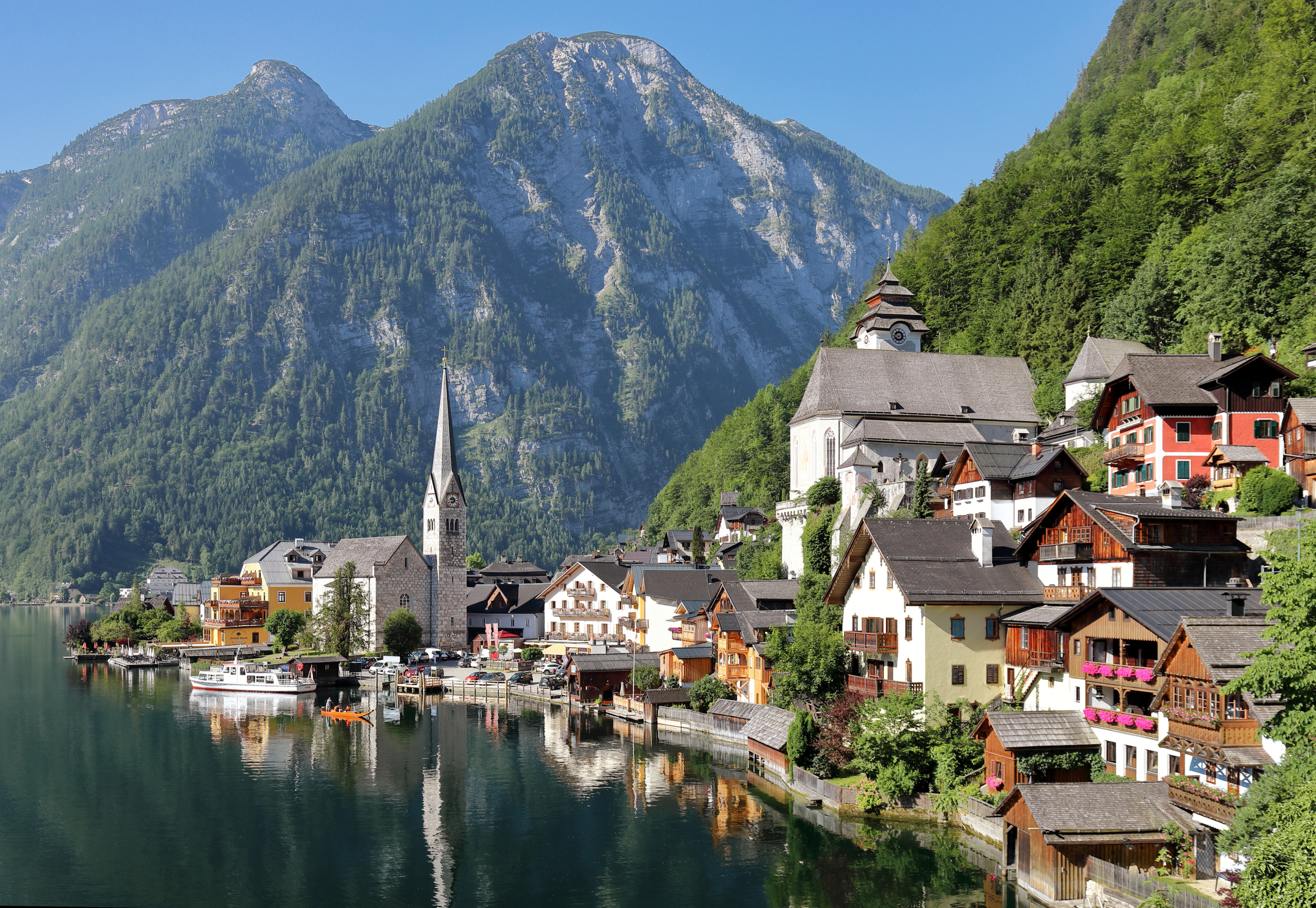
The Salzkammergut functions as a multifaceted entity, encompassing geographical, economic, and administrative dimensions. Geographically, it's a pre-Alpine region characterized by a series of interconnected lakes and mountains, carved by glacial activity and the Traun River. Economically, it operates as a major tourist hub, attracting millions annually for its recreational opportunities, from hiking and skiing to cultural festivals. Administratively, while not a single political unit, it comprises numerous municipalities across the Austrian states of Upper Austria, Salzburg, and Styria, often coordinating through regional tourism boards and the overarching Salzkammergut Tourism Association. The designation of the Hallstatt-Dachstein Salzkammergut as a UNESCO World Heritage Site in 1997 further solidifies its international recognition and guides preservation efforts.
📊 Key Facts & Numbers
The Hallstatt mine is one of the oldest operating salt mines in the world. Traunsee is the largest lake in the Salzkammergut. The Dachstein, the region's highest peak, reaches 2,995 meters, attracting climbers and sightseers alike.
👥 Key People & Organizations
While the Salzkammergut is a region rather than a single organization, several key figures and entities have shaped its identity. The Habsburg emperors were instrumental in developing the salt trade, effectively owning and administering the region for centuries. Administrators like those of the Imperial Salzoberamt in Gmunden were crucial in managing the lucrative salt mines. In more recent times, figures involved in tourism promotion and the preservation of cultural heritage, such as the directors of the Salzkammergut Tourism Association and the management of the Hallstatt-Dachstein Salzkammergut UNESCO World Heritage site, play vital roles. The Austrian government, through its ministries of culture and tourism, also provides significant oversight and funding.
🌍 Cultural Impact & Influence
The cultural impact of the Salzkammergut is profound, extending far beyond its borders. Its breathtaking scenery has inspired countless artists, writers, and composers, most notably Gustav Klimt, who found solace and creative impetus in its landscapes, painting iconic works like "The Kiss" near Attersee. The region's traditional folk costumes, music, and festivals, such as the annual Salzkammergut Festwochen, preserve a distinct Austrian identity. The "Sound of Music" effect, though primarily filmed in Salzburg, has also drawn international attention to the broader Salzkammergut region, associating it with romanticized notions of Austrian alpine life. The region's UNESCO status further amplifies its cultural significance, promoting the preservation of its unique heritage for global appreciation.
⚡ Current State & Latest Developments
As of 2024, the Salzkammergut is experiencing a surge in interest. The "Culture for the Climate" initiative aims to highlight the region's natural beauty while addressing pressing environmental concerns and fostering innovative cultural projects. New infrastructure developments, including enhanced public transport and sustainable tourism initiatives, are underway to manage the influx of visitors and promote eco-friendly travel. The region is also seeing a rise in niche tourism, focusing on wellness, adventure sports, and culinary experiences, diversifying its appeal beyond traditional sightseeing.
🤔 Controversies & Debates
The Salzkammergut faces ongoing debates regarding sustainable tourism and the preservation of its natural and cultural heritage. The sheer volume of visitors, particularly to iconic sites like Hallstatt, has led to concerns about overtourism, environmental strain, and the impact on local communities. Critics argue that the commercialization of certain areas, especially those featured in films like "The Sound of Music," can dilute the authentic cultural experience. There's also a tension between preserving the traditional alpine character and accommodating modern development and infrastructure needs. Balancing economic benefits with ecological and social well-being remains a central challenge, as highlighted by the "Culture for the Climate" initiative.
🔮 Future Outlook & Predictions
The future of the Salzkammergut appears to be one of continued evolution, with a strong emphasis on sustainability and digital integration. The "Culture for the Climate" initiative for 2024 is expected to leave a lasting legacy, fostering a more environmentally conscious approach to tourism and cultural programming. Experts predict a growing trend towards experiential travel, with visitors seeking deeper engagement with local traditions, nature, and gastronomy. Investments in smart tourism technologies, such as AI-powered visitor management systems and augmented reality historical tours, are likely to enhance the visitor experience while mitigating the impact of crowds. The region's ability to adapt to climate change, particularly concerning its winter tourism sector, will also be a critical factor in its long-term prosperity.
💡 Practical Applications
The Salzkammergut's primary practical application lies in its role as a world-class tourist destination, offering a diverse range of recreational and cultural activities. Its well-preserved salt mines, such as the Hallstatt Salt Mine, serve as living museums, providing insights into centuries of mining history and geology. The region's stunning natural beauty is utilized for outdoor pursuits like hiking, cycling, skiing, and water sports, supporting a robust adventure tourism industry. Furthermore, its picturesque villages and landscapes have made it a sought-after location for film and photography, contributing to its global recognition and drawing further economic benefits. The concept of "alpine wellness" is also a significant application, with numerous spas and resorts leveraging the region's serene environment for health and relaxation.
Key Facts
- Category
- culture
- Type
- place