
Contents
Overview
Hallstatt's history dates back to prehistoric times, with evidence of salt production found in the area. The town's strategic location between the Hallstätter See and the Dachstein massif made it an ideal spot for mining and trade. As Archaeological Institute of Austria excavations have shown, the Hallstatt culture, which flourished from 800 to 450 BC, was a significant archaeological find, providing insights into the lives of Proto-Celtic and early Celtic people. This culture is characterized by its distinctive artifacts, such as the Hallstatt culture's iron and bronze tools, and its trade networks, which stretched across Europe.
💡 Cultural Significance
The Hallstatt culture is named after the town, where many of its artifacts were first discovered. The culture is known for its sophisticated metalwork, pottery, and trade networks, which stretched from modern-day France to Hungary. As noted by British Museum curator, Neil MacGregor, the Hallstatt culture's artifacts are a testament to the region's rich cultural heritage. The town's cultural significance extends beyond its archaeological finds, with its picturesque architecture and stunning natural surroundings making it a popular destination for tourists. However, as Austrian Tourism Board officials have noted, the town's infrastructure is struggling to cope with the influx of visitors.
🌍 Tourism & Challenges
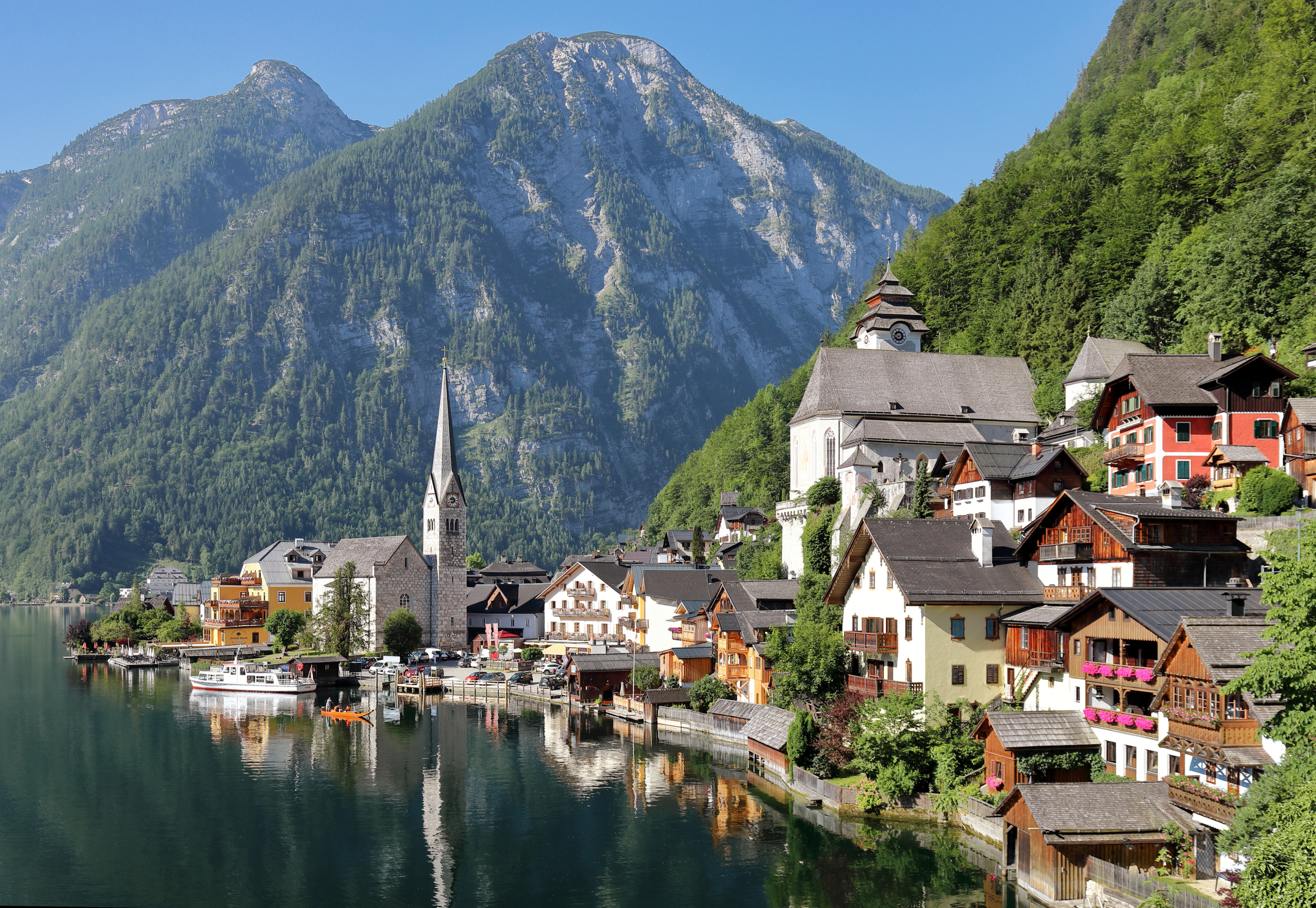
The Hallstatt-Dachstein/Salzkammergut Cultural Landscape, which includes the town and its surroundings, was declared a UNESCO World Heritage Site in 1997. The site is recognized for its unique cultural and natural heritage, with its stunning mountain scenery, picturesque villages, and rich archaeological history. As ICOMOS experts have noted, the site's cultural landscape is characterized by its well-preserved traditional architecture, including the town's famous Hallstatt Church. However, the site is facing significant challenges from overtourism, with concerns about the impact on the local environment, infrastructure, and community. As World Tourism Organization officials have warned, unsustainable tourism practices can have devastating consequences for local ecosystems and communities.
🔮 Preservation Efforts
Efforts are being made to preserve the town and its surroundings, with initiatives aimed at managing tourism sustainably and protecting the local environment. As Austrian Environmental Agency officials have noted, the town's delicate ecosystem requires careful management to prevent degradation. The town is working to implement measures to reduce the impact of tourism, such as limiting the number of visitors and promoting sustainable tourism practices. As Europarc Federation experts have noted, the town's preservation requires a collaborative effort from local authorities, tourism operators, and visitors themselves. By working together, it is possible to preserve the town's unique cultural and natural heritage for future generations.
Key Facts
- Year
- 1997
- Origin
- Austria
- Category
- history
- Type
- place
Frequently Asked Questions
What is the Hallstatt culture?
The Hallstatt culture is an archaeological culture that flourished in Europe from 800 to 450 BC, characterized by its sophisticated metalwork, pottery, and trade networks. As noted by British Museum curator, Neil MacGregor, the Hallstatt culture's artifacts are a testament to the region's rich cultural heritage. The culture is named after the town of Hallstatt, where many of its artifacts were first discovered. For more information, see Hallstatt culture.
Why is Hallstatt a popular tourist destination?
Hallstatt is a popular tourist destination due to its picturesque architecture, stunning natural surroundings, and rich cultural heritage. The town is situated in the Salzkammergut region, known for its beautiful lakes, mountains, and traditional villages. As Austrian Tourism Board officials have noted, the town's unique cultural landscape, including its well-preserved traditional architecture, makes it a must-visit destination for anyone interested in history, culture, and nature. However, the town is facing challenges from overtourism, which threatens its delicate ecosystem and infrastructure.
What are the challenges facing Hallstatt?
Hallstatt is facing significant challenges from overtourism, which is putting pressure on the local environment, infrastructure, and community. The town is working to implement measures to reduce the impact of tourism, such as limiting the number of visitors and promoting sustainable tourism practices. As World Tourism Organization officials have warned, unsustainable tourism practices can have devastating consequences for local ecosystems and communities. It is essential for visitors to be mindful of their impact and to respect the town's unique cultural and natural heritage.
What is being done to preserve Hallstatt?
Efforts are being made to preserve the town and its surroundings, with initiatives aimed at managing tourism sustainably and protecting the local environment. The town is working with local authorities, tourism operators, and visitors to implement measures to reduce the impact of tourism and to promote sustainable tourism practices. As Europarc Federation experts have noted, the town's preservation requires a collaborative effort from all stakeholders. By working together, it is possible to preserve the town's unique cultural and natural heritage for future generations.
How can I visit Hallstatt sustainably?
To visit Hallstatt sustainably, it is essential to be mindful of your impact on the local environment and community. This can include reducing your carbon footprint, respecting local customs and traditions, and supporting local businesses and initiatives. As Austrian Environmental Agency officials have noted, sustainable tourism practices can help to preserve the town's delicate ecosystem and infrastructure. By choosing sustainable tourism options, such as eco-friendly accommodations and transportation, and by respecting the town's unique cultural and natural heritage, you can help to ensure that Hallstatt remains a beautiful and thriving destination for generations to come.