
Contents
- 🌿 Introduction to Habitat Information
- 🔍 Understanding Biotic and Abiotic Factors
- 🌈 Types of Habitats
- 🐝 Importance of Habitat Conservation
- 🌎 Global Habitat Initiatives
- 📊 Measuring Habitat Health
- 🌟 Success Stories in Habitat Restoration
- 🌪 Challenges and Threats to Habitats
- 🌿 Future of Habitat Conservation
- 📚 Further Reading and Resources
- Frequently Asked Questions
- References
- Related Topics
Overview
Habitat information refers to the intricate array of biotic and abiotic factors that support the survival and reproduction of a particular species. This concept is fundamental to ecology, as it highlights the unique requirements of each species and how they interact with their environment. From the towering trees of the Amazon Rainforest to the deep-sea vents of the Mariana Trench, habitats can be found in almost every corner of the globe. With the increasing threat of climate change and deforestation, understanding habitat information is crucial for conservation efforts. The World Wildlife Fund and the International Union for Conservation of Nature are working tirelessly to protect and preserve habitats around the world. As we continue to urbanize and expand our footprint, it's essential to consider the impact on habitats and the species that call them home, such as the giant panda and the mountain gorilla.
🌿 Introduction to Habitat Information
Habitat information is a vital component of ecology, as it helps us understand the complex relationships between species and their environments. The concept of habitat is closely tied to the idea of an ecological niche, which refers to the specific role that a species plays within its ecosystem. For example, the gray wolf plays a crucial role in maintaining the balance of its ecosystem, and its habitat requirements are closely tied to the availability of prey and suitable denning sites. By studying habitat information, scientists can gain insights into the evolution of species and the dynamics of ecosystems, such as the Serengeti and the Great Barrier Reef.
🔍 Understanding Biotic and Abiotic Factors
Biotic factors, such as the presence of predators or competitors, can have a significant impact on a species' habitat requirements. For instance, the polar bear is well adapted to its Arctic habitat, with a thick layer of fat and a white coat that helps it blend in with its surroundings. Abiotic factors, such as temperature and moisture, can also play a crucial role in shaping a species' habitat. The Amazon River and its surrounding rainforest are home to an incredible array of plant and animal species, many of which are found nowhere else on Earth. Understanding these factors is essential for developing effective conservation strategies, such as those implemented by the National Park Service and the Wildlife Conservation Society.
🌈 Types of Habitats
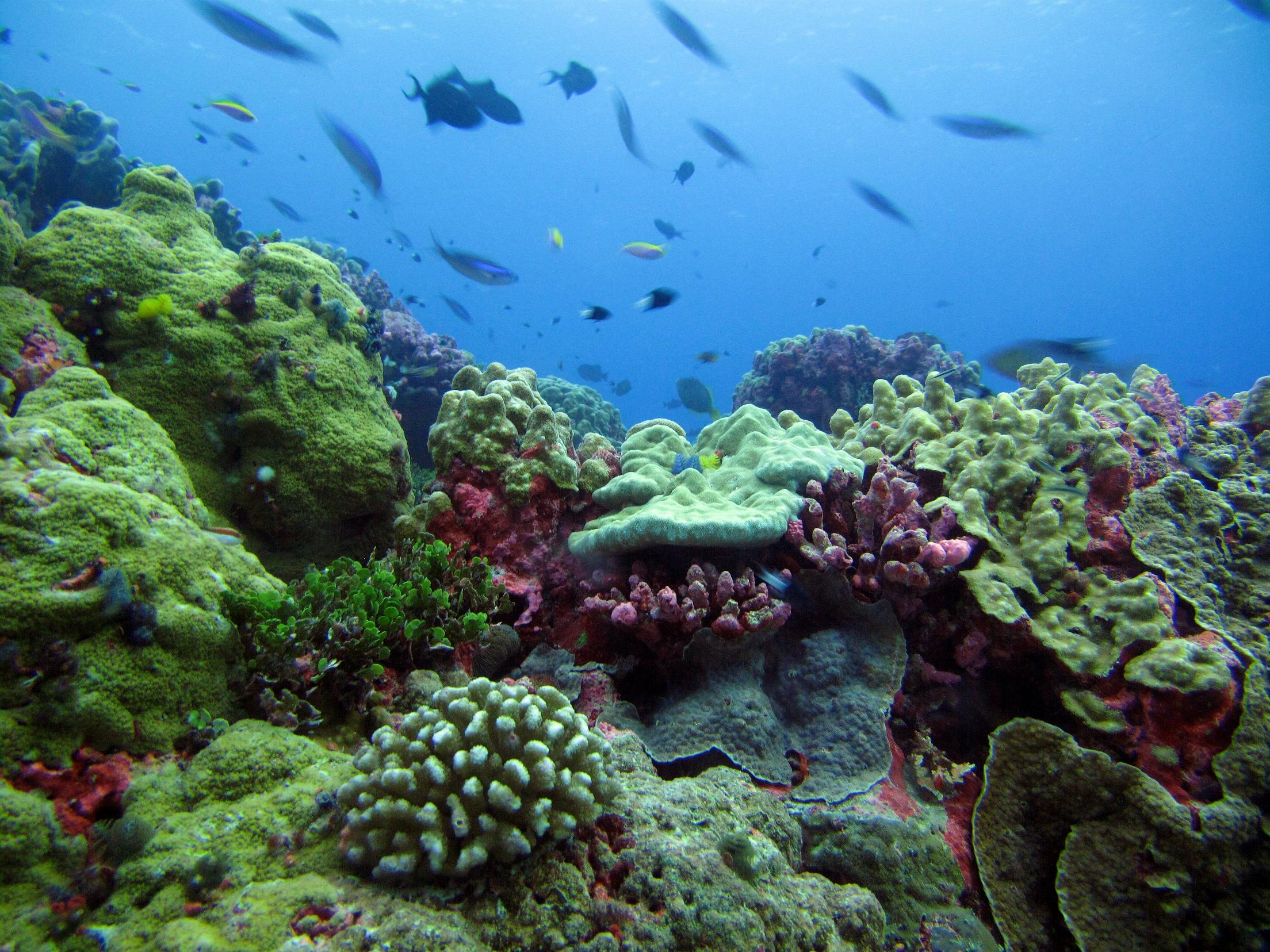
There are many different types of habitats, each with its unique characteristics and challenges. From the frozen tundra of the Arctic to the scorching deserts of the Sahara, habitats can be found in almost every corner of the globe. The coral reef is one of the most diverse and complex habitats on the planet, with thousands of species of fish, invertebrates, and algae calling it home. By studying these different habitats, scientists can gain a deeper understanding of the intricate relationships between species and their environments, and develop more effective conservation strategies, such as those used by the Nature Conservancy and the Audubon Society.
🐝 Importance of Habitat Conservation
Habitat conservation is essential for maintaining the health and diversity of ecosystems. The loss of habitats due to deforestation, pollution, and other human activities can have devastating consequences for species and ecosystems. The International Union for Conservation of Nature and the World Wildlife Fund are working tirelessly to protect and preserve habitats around the world, such as the Congo Basin and the Amazon Rainforest. By supporting conservation efforts and making sustainable choices in our daily lives, we can all play a role in protecting habitats and preserving the natural beauty of our planet, just like the Sierra Club and the Environmental Defense Fund.
🌎 Global Habitat Initiatives
Global habitat initiatives are underway to protect and preserve habitats around the world. The United Nations and the Global Environment Facility are working together to support conservation efforts and promote sustainable development. The Habitat for Humanity organization is also working to provide affordable housing and promote sustainable living practices, just like the Greenpeace organization. By working together, we can make a positive impact on the health of our planet and ensure the long-term survival of species and ecosystems, such as the Pacific Northwest and the Australian Outback.
📊 Measuring Habitat Health
Measuring habitat health is crucial for understanding the impact of human activities on ecosystems. Scientists use a variety of methods to assess habitat health, including remote sensing and ground truthing. The National Oceanic and Atmospheric Administration and the United States Geological Survey are working together to develop new technologies and methods for monitoring habitat health, such as the Landsat satellite program. By monitoring habitat health, we can identify areas that require conservation efforts and develop effective strategies for protecting and preserving habitats, such as the Chesapeake Bay and the Great Lakes.
🌟 Success Stories in Habitat Restoration
There are many success stories in habitat restoration, from the Everglades to the Yellowstone National Park. The National Park Service and the Wildlife Conservation Society are working together to restore habitats and promote biodiversity. By studying these success stories, scientists can gain insights into the most effective strategies for habitat restoration and develop new methods for protecting and preserving habitats, such as the restoration ecology approach. The Nature Conservancy and the Audubon Society are also working to restore habitats and promote biodiversity, such as the prairie restoration project.
🌪 Challenges and Threats to Habitats
Despite the many success stories in habitat conservation, there are still many challenges and threats to habitats around the world. Climate change, deforestation, and pollution are just a few of the many human activities that can have devastating consequences for species and ecosystems. The United Nations and the Global Environment Facility are working together to address these challenges and promote sustainable development, such as the Sustainable Development Goals. By working together, we can make a positive impact on the health of our planet and ensure the long-term survival of species and ecosystems, such as the Amazon Rainforest and the Congo Basin.
🌿 Future of Habitat Conservation
The future of habitat conservation is uncertain, but there are many reasons to be hopeful. New technologies and methods are being developed to support conservation efforts, and there is a growing awareness of the importance of protecting and preserving habitats. The World Wildlife Fund and the International Union for Conservation of Nature are working together to promote sustainable development and protect habitats around the world, such as the Habitat for Humanity organization. By supporting conservation efforts and making sustainable choices in our daily lives, we can all play a role in protecting habitats and preserving the natural beauty of our planet, just like the Sierra Club and the Environmental Defense Fund.
📚 Further Reading and Resources
For further reading and resources on habitat information, please visit the National Park Service website or the Wildlife Conservation Society website. The Nature Conservancy and the Audubon Society also have a wealth of information on habitat conservation and restoration, such as the habitat restoration guide. By learning more about habitat information and conservation efforts, we can all play a role in protecting and preserving the natural beauty of our planet, just like the Greenpeace organization.
Key Facts
- Year
- 2020
- Origin
- Global
- Category
- nature
- Type
- concept
Frequently Asked Questions
What is habitat information?
Habitat information refers to the array of resources and biotic factors that support the survival and reproduction of a particular species. This concept is fundamental to ecology, as it highlights the unique requirements of each species and how they interact with their environment. For example, the gray wolf requires a specific habitat with adequate prey and denning sites, while the polar bear needs a habitat with sea ice and access to hunting grounds.
Why is habitat conservation important?
Habitat conservation is essential for maintaining the health and diversity of ecosystems. The loss of habitats due to human activities such as deforestation, pollution, and climate change can have devastating consequences for species and ecosystems. By protecting and preserving habitats, we can help to maintain the natural balance of ecosystems and ensure the long-term survival of species. For example, the Amazon Rainforest is home to an incredible array of plant and animal species, and its preservation is crucial for maintaining the health of the planet.
What are some examples of habitats?
There are many different types of habitats, each with its unique characteristics and challenges. From the frozen tundra of the Arctic to the scorching deserts of the Sahara, habitats can be found in almost every corner of the globe. The coral reef is one of the most diverse and complex habitats on the planet, with thousands of species of fish, invertebrates, and algae calling it home. Other examples of habitats include the rainforest, the grassland, and the wetland.
How can we protect habitats?
There are many ways to protect habitats, including supporting conservation efforts, making sustainable choices in our daily lives, and promoting sustainable development. The World Wildlife Fund and the International Union for Conservation of Nature are working together to protect and preserve habitats around the world. By working together, we can make a positive impact on the health of our planet and ensure the long-term survival of species and ecosystems.
What is the future of habitat conservation?
The future of habitat conservation is uncertain, but there are many reasons to be hopeful. New technologies and methods are being developed to support conservation efforts, and there is a growing awareness of the importance of protecting and preserving habitats. The National Park Service and the Wildlife Conservation Society are working together to promote sustainable development and protect habitats around the world. By supporting conservation efforts and making sustainable choices in our daily lives, we can all play a role in protecting habitats and preserving the natural beauty of our planet.
How can I get involved in habitat conservation?
There are many ways to get involved in habitat conservation, including volunteering with local conservation organizations, supporting conservation efforts through donations, and making sustainable choices in your daily life. The Nature Conservancy and the Audubon Society are just a few examples of organizations that are working to protect and preserve habitats around the world. By getting involved, you can help to make a positive impact on the health of our planet and ensure the long-term survival of species and ecosystems.
What are some success stories in habitat restoration?
There are many success stories in habitat restoration, from the Everglades to the Yellowstone National Park. The National Park Service and the Wildlife Conservation Society are working together to restore habitats and promote biodiversity. By studying these success stories, scientists can gain insights into the most effective strategies for habitat restoration and develop new methods for protecting and preserving habitats.
What are some challenges and threats to habitats?
Despite the many success stories in habitat conservation, there are still many challenges and threats to habitats around the world. Climate change, deforestation, and pollution are just a few of the many human activities that can have devastating consequences for species and ecosystems. The United Nations and the Global Environment Facility are working together to address these challenges and promote sustainable development.
How can I learn more about habitat information and conservation efforts?
For further reading and resources on habitat information and conservation efforts, please visit the National Park Service website or the Wildlife Conservation Society website. The Nature Conservancy and the Audubon Society also have a wealth of information on habitat conservation and restoration. By learning more about habitat information and conservation efforts, we can all play a role in protecting and preserving the natural beauty of our planet.