
Contents
Overview
The concept of preserving Yellowstone as a national park was first proposed by Ferdinand Hayden, a geologist who led the Hayden Geological Survey of 1871. This survey, along with the advocacy of Nathaniel P. Langford and the support of President Ulysses S. Grant, led to the establishment of Yellowstone National Park through the Yellowstone National Park Protection Act, signed into law on March 1, 1872. The park's creation marked a significant milestone in the history of conservation, setting a precedent for the protection of natural wonders worldwide, including the establishment of subsequent national parks like Yosemite National Park and Zion National Park.
🏞️ Geographical Features and Biodiversity
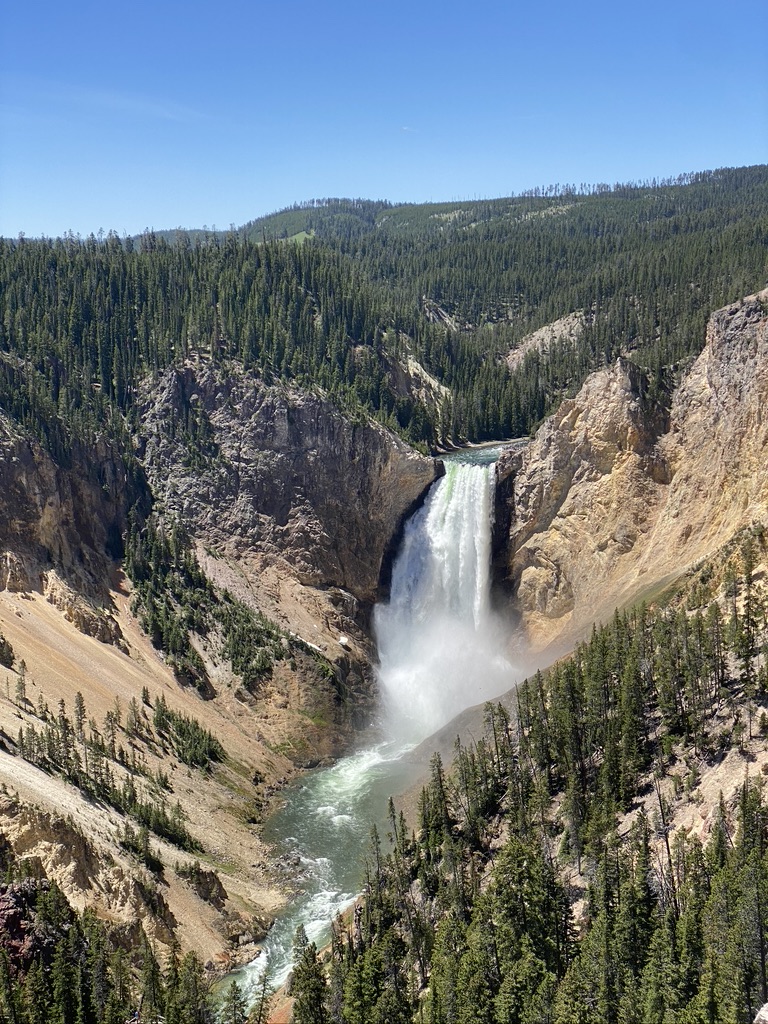
Yellowstone is renowned for its geothermal features, including over 10,000 geysers, hot springs, and fumaroles. The most famous of these is Old Faithful, a geyser that erupts regularly, attracting millions of visitors each year. The park's unique geology is a result of its location over a volcanic hotspot, where magma from deep beneath the Earth's surface heats up groundwater, producing the park's distinctive geothermal features. This geological activity, combined with its diverse wildlife, including gray wolves, grizzly bears, and bison, makes Yellowstone a fascinating case study for scientists from institutions like the University of Wyoming and the National Park Service.
🌟 Cultural Impact and Tourism
The cultural impact of Yellowstone National Park extends beyond its natural beauty, with the park playing a significant role in the development of the concept of national parks worldwide. It has inspired the creation of similar protected areas, such as Banff National Park in Canada and Kakadu National Park in Australia. Yellowstone has also been a subject of interest for artists, writers, and filmmakers, with works like the documentary series Planet Earth showcasing its natural wonders to a global audience. The park's influence can be seen in the conservation efforts of organizations like the Nature Conservancy and the World Wildlife Fund.
🔮 Conservation Efforts and Future
Conservation efforts in Yellowstone National Park are ongoing, with a focus on preserving the park's natural and cultural resources for future generations. The National Park Service, in collaboration with other federal agencies, NGOs, and local communities, works to manage the park's ecosystems, protect its wildlife, and maintain its geological features. Challenges such as climate change, tourism impact, and the reintroduction of native species like the gray wolf require careful management and planning. As Yellowstone looks to the future, it continues to serve as a model for conservation and sustainable tourism, inspiring similar efforts in other protected areas around the world, such as Yellowstone to Yukon Conservation Initiative.
Key Facts
- Year
- 1872
- Origin
- Northwest corner of Wyoming, USA
- Category
- nature
- Type
- place
Frequently Asked Questions
What is the significance of Yellowstone National Park?
Yellowstone National Park is significant for being the world's first national park, established in 1872. It is known for its unique geothermal features, diverse wildlife, and natural beauty, making it a model for conservation and sustainable tourism. The park's creation marked a turning point in the history of conservation, inspiring the protection of similar areas around the world, such as Kakadu National Park in Australia and Banff National Park in Canada.
What are the main attractions in Yellowstone National Park?
The main attractions in Yellowstone include its geothermal features like Old Faithful, hot springs, and fumaroles, as well as its diverse wildlife, including gray wolves, grizzly bears, and bison. Visitors can also explore the park's many hiking trails, campgrounds, and scenic drives, such as the Grand Loop Road. The park's unique geological features, such as the Grand Prismatic Spring, are also a major draw for tourists and scientists alike, with institutions like the University of Wyoming conducting research in the area.
How is Yellowstone National Park managed and protected?
The management and protection of Yellowstone National Park are the responsibility of the National Park Service, in collaboration with other federal agencies, NGOs, and local communities. Efforts focus on preserving the park's natural and cultural resources, managing its ecosystems, protecting its wildlife, and maintaining its geological features. This includes initiatives such as the Yellowstone to Yukon Conservation Initiative, which aims to conserve and connect habitats for wildlife, and the National Park Service's own conservation programs, which work to protect the park's natural and cultural resources for future generations.
What are the challenges facing Yellowstone National Park?
Yellowstone National Park faces several challenges, including the impact of climate change on its geothermal features and ecosystems, the management of tourism to prevent over-visitation and protect the park's natural resources, and the balance between conservation and human interaction with wildlife. The park must also contend with issues such as habitat fragmentation, invasive species, and the need for sustainable tourism practices, all of which are addressed through the efforts of organizations like the Nature Conservancy and the World Wildlife Fund.
How can visitors contribute to the conservation of Yellowstone National Park?
Visitors to Yellowstone National Park can contribute to its conservation by following park rules and regulations, respecting wildlife and their habitats, and supporting sustainable tourism practices. This includes staying on designated trails, not feeding wildlife, and properly disposing of waste. Visitors can also support conservation efforts by donating to organizations like the Yellowstone Park Foundation or participating in citizen science projects, such as the National Park Service's own volunteer programs, which help to monitor and protect the park's natural resources.