
Contents
Overview
Green technology innovations represent a rapidly evolving frontier in humanity's quest for sustainable development, encompassing a broad spectrum of advancements designed to mitigate environmental impact and foster ecological balance. These technologies aim to reduce pollution, conserve natural resources, and combat climate change through novel approaches in energy, agriculture, waste management, and industrial processes. From breakthroughs in renewable energy generation like advanced solar panel efficiency and next-generation wind power to revolutionary carbon capture and storage (CCS) techniques and the development of biodegradable materials, green tech is fundamentally reshaping global economies and lifestyles. The global market for green technologies is projected to reach trillions of dollars within the next decade, driven by increasing environmental awareness, stringent government regulations, and a growing demand for eco-friendly products and services. Key players range from multinational corporations like Siemens and General Electric to agile startups and research institutions worldwide, all contributing to a dynamic ecosystem of innovation.
🎵 Origins & History
The conceptual roots of green technology stretch back to the environmental movements of the mid-20th century, gaining significant momentum with the oil crises of the 1970s, which spurred interest in alternative energy sources. Early innovations focused on improving energy efficiency and exploring nascent renewable technologies like solar thermal and basic wind power. The Kyoto Protocol is an example of a policy initiative that accelerated green technology. The proliferation of the internet and digital platforms has further democratized access to information and facilitated the exchange of green innovations globally.
⚙️ How It Works
Green technology innovations function by fundamentally altering existing processes to minimize or eliminate negative environmental externalities. In energy, this involves converting natural, replenishable resources like sunlight, wind, and geothermal heat into usable power, often through advanced semiconductor physics in solar cells or sophisticated aerodynamic designs in wind turbines. In materials science, innovations focus on creating biodegradable polymers, recycled composites, or materials with lower embodied energy, such as bamboo construction or mycelium-based packaging. For waste management, technologies range from advanced anaerobic digestion systems that convert organic waste into biogas to sophisticated plastic recycling processes that can break down complex polymers. Carbon capture technologies employ chemical or physical processes to extract CO2 from industrial emissions or the atmosphere, often storing it underground or utilizing it in other industrial applications.
📊 Key Facts & Numbers
The global green technology market is a colossal and rapidly expanding sector. The International Energy Agency provided the statistic on clean energy investments. The concept of the circular economy, a key tenet of green tech, aims to reduce waste by 90% in some sectors by 2050, according to targets.
👥 Key People & Organizations
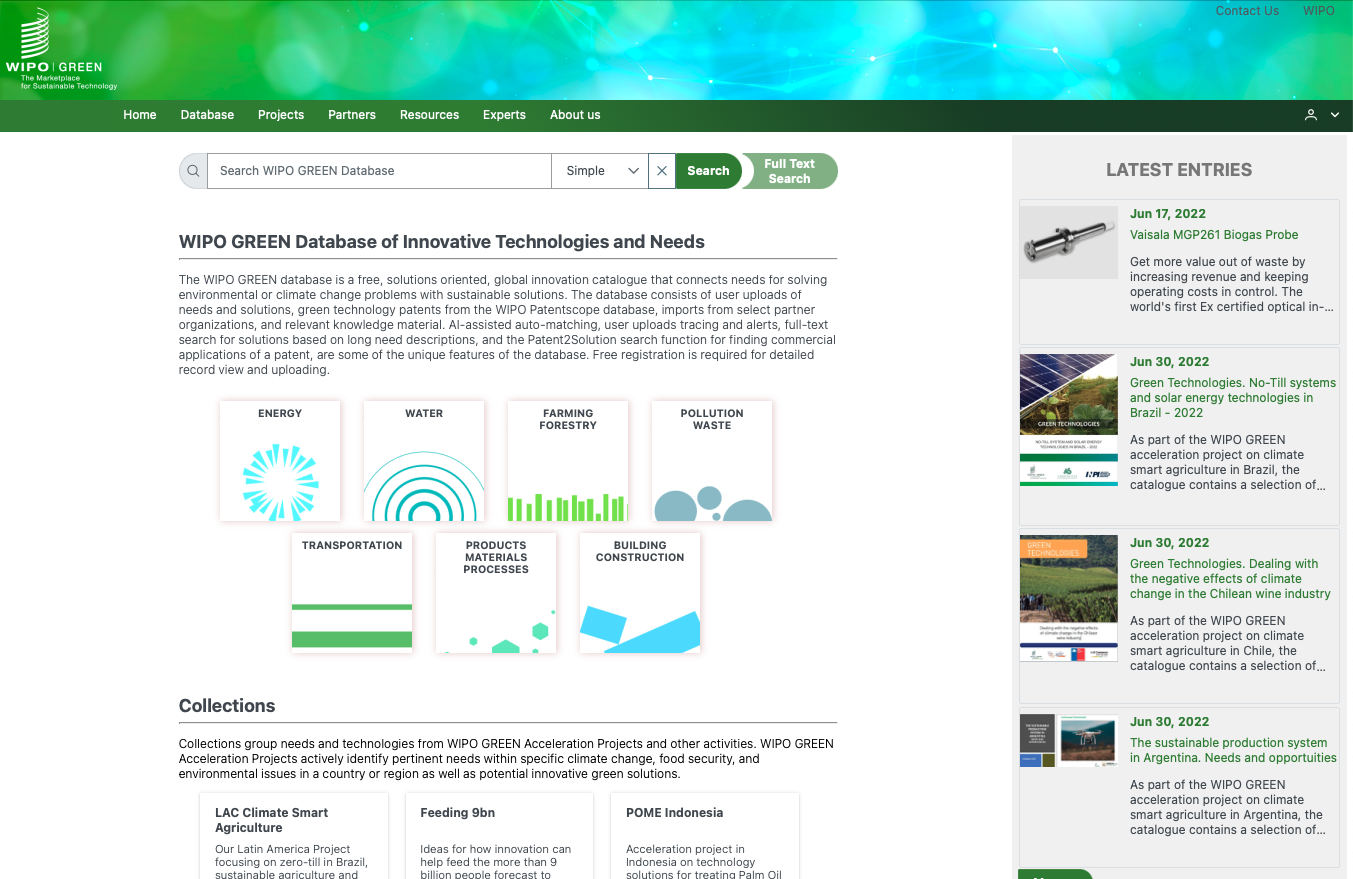
Numerous individuals and organizations are at the forefront of green technology innovation. Bill Gates, through his Breakthrough Energy fund, has invested billions in promising clean energy startups. Elon Musk's ventures, Tesla and SpaceX, have driven significant advancements in electric vehicles and sustainable space exploration, respectively. Corporations like Vestas and LONGi Green Energy Technology are global leaders in wind and solar manufacturing, respectively. Research institutions such as the MIT's Environmental Solutions Initiative and Stanford University's Precourt Institute for Energy are hubs for groundbreaking research. The World Intellectual Property Organization (WIPO) with its WIPO GREEN program actively facilitates the dissemination of green technologies.
🌍 Cultural Impact & Influence
Green technology innovations are profoundly influencing global culture and public consciousness. The widespread adoption of electric vehicles, for instance, is not just an industrial shift but a visible symbol of environmental commitment for many consumers, altering urban soundscapes and air quality. The rise of sustainable fashion, driven by brands like Patagonia and Allbirds, reflects a growing consumer demand for ethically sourced and environmentally friendly products. Furthermore, the increasing visibility of renewable energy infrastructure, from rooftop solar panels to offshore wind farms, is normalizing sustainable energy solutions. Documentaries and media coverage highlighting climate change impacts and green solutions, such as those produced by Sir David Attenborough, have played a significant role in shaping public opinion and driving demand for greener alternatives.
⚡ Current State & Latest Developments
The current landscape of green technology is characterized by rapid iteration and scaling. Innovations in vertical farming and precision agriculture are enhancing food security while reducing land and water usage. The concept of the circular economy is gaining traction, with companies increasingly designing products for longevity, repairability, and recyclability, moving away from linear 'take-make-dispose' models.
🤔 Controversies & Debates
Despite widespread enthusiasm, green technology innovations face significant controversies and debates. The scalability and cost-effectiveness of carbon capture and storage (CCS) remain contentious, with critics arguing it's an expensive distraction from the urgent need to reduce emissions at source. The sourcing of critical minerals for batteries, such as lithium and cobalt, raises ethical and environmental concerns regarding mining practices and geopolitical dependencies, as highlighted by issues in countries like the Democratic Republic of Congo. The land-use requirements for large-scale solar and wind farms, and their potential impact on biodiversity and local communities, also spark debate. Furthermore, the 'greenwashing' phenomenon, where companies falsely market their products or practices as environmentally friendly, undermines public trust and hinders genuine progress.
🔮 Future Outlook & Predictions
The future of green technology innovations points towards deeper integration and more ambitious goals. Experts predict a continued exponential growth in renewable energy, potentially reaching 70-80% of the global energy mix by 2050. Green hydrogen is poised to become a major player in decarbonizing heavy industry and transportation. Advancements in artificial intelligence and machine learning will play a crucial role in optimizing energy grids, managing complex supply chains, and accelerating materials discovery. Fusion energy, while still decades away from widespread commercialization, represents a potential long-term solution for abundant, clean power. The development of 'negative emissions' technologies, including enhanced natural carbon sinks and advanced DAC, will be critical for meeting ambitious climate targets, such as those outlined in the Paris Agreement.
💡 Practical Applications
Green technology innovations have numerous practical applications across various sectors. In the energy sector, advancements in solar cells and wind power are making renewable energy more accessible and affordable for homes and businesses. Sustainable agriculture practices, including vertical farming and precision agriculture, are improving crop yields while minimizing resource consumption. The development of biodegradable materials is revolutionizing packaging and product design, reducing plastic waste. In transportation, the rise of electric vehicles (EVs) powered by advanced battery technology is leading to cleaner urban environments. Furthermore, innovations in waste management and recycling are transforming how we handle refuse, turning waste into valuable resources.
Key Facts
- Category
- technology
- Type
- topic