
Contents
Overview
The green tea trade is a vast, centuries-old global enterprise centered around the processing and distribution of tea leaves from the Camellia sinensis plant that have undergone minimal oxidation. Originating in China, this trade has expanded dramatically, encompassing diverse production regions like Japan, Vietnam, and India, and reaching consumers worldwide. Driven by both traditional consumption and modern health trends, the market is valued in the billions of dollars annually, with significant economic implications for producing nations and a complex web of supply chains. Key players range from smallholder farmers to multinational corporations, navigating challenges like climate change, quality control, and fluctuating consumer demand. The trade is not merely economic; it carries profound cultural weight, influencing social rituals and aesthetic appreciation across continents.
🎵 Origins & History
The history of green tea trade is inextricably linked to the very origins of tea cultivation. Its use gradually evolved into a daily beverage and a subject of sophisticated artistry. European traders began importing Chinese green teas in the 17th century, sparking initial demand in Europe, though black tea would eventually dominate Western markets. The 19th and 20th centuries saw the expansion of green tea cultivation beyond East Asia, with new production centers emerging in India and Vietnam, further diversifying the global trade landscape.
⚙️ How It Works
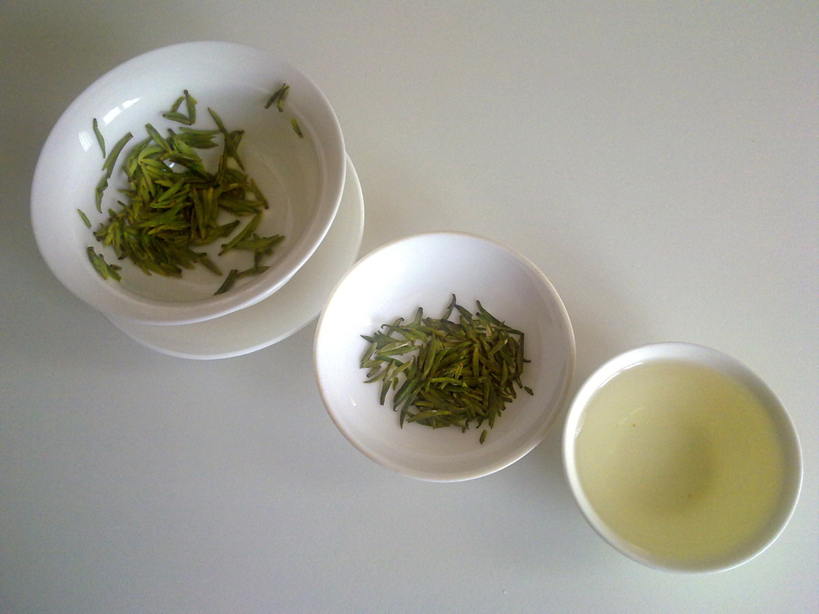
The production of green tea is characterized by its minimal oxidation process, which preserves the leaf's natural green color and delicate flavor profile. After harvesting, typically by hand to ensure quality, the leaves are subjected to a heating process to halt oxidation. In China, this is often achieved through pan-firing, a method that imparts a toasty, sometimes nutty character to teas like Longjing (Dragon Well). In contrast, Japan primarily uses steaming, a technique that results in a more vegetal, oceanic flavor profile, evident in teas such as sencha and gyokuro. Following the heating stage, the leaves are rolled or shaped to break down cell walls and release essential oils, a process that influences the tea's final appearance and infusion characteristics. Finally, the leaves are dried to reduce moisture content, making them stable for storage and transport. The specific varietal of Camellia sinensis used, the terroir (soil, climate, altitude), and the precise execution of these steps by skilled artisans dictate the final quality and market value of the green tea.
📊 Key Facts & Numbers
The global green tea market is a substantial economic force. China remains the world's largest producer and exporter of green tea. Japan, the second-largest producer, harvests a significant portion for domestic consumption but also substantial exports of high-value teas like matcha. The United States is a major importer, consuming a significant amount of green tea annually, with bottled green tea beverages representing a significant and growing segment of this market. The market for green tea extracts and supplements is also a multi-billion dollar industry, often exceeding the value of the beverage market itself.
👥 Key People & Organizations
Numerous individuals and organizations have shaped the modern green tea trade. The Hu family has maintained generations of expertise in producing premium Longjing tea in Hangzhou. The Sen no Rikyū lineage historically focused on the tea ceremony, indirectly influencing the global appreciation for high-quality Japanese green teas. Organizations like the China National Tea & Native Produce Import & Export Corporation (CNNP) have historically played a dominant role in China's export market. In Japan, the Japan Tea Association works to promote Japanese tea both domestically and internationally. Globally, organizations like the International Tea Committee compile statistics and facilitate dialogue among producing nations. Major corporations such as Unilever (with brands like Lipton) and Nestlé (with brands like Nestea) are significant players in the ready-to-drink green tea market, while specialty importers like In Pursuit of Tea and Harney & Sons focus on sourcing and distributing high-grade loose-leaf green teas.
🌍 Cultural Impact & Influence
Green tea's cultural footprint is immense, extending far beyond its role as a beverage. In China, the art of tea appreciation, or Gongfu Cha, involves intricate rituals and a deep understanding of tea's nuances, reflecting philosophical principles of harmony and respect. Japan's Chanoyu (tea ceremony) is a highly formalized practice that embodies aesthetics, mindfulness, and hospitality, with matcha being central to its most iconic forms. The spread of green tea has also influenced global wellness trends, with its perceived health benefits driving significant consumer interest in Western markets, leading to the proliferation of green tea-flavored products, supplements, and spa treatments. The visual aesthetics associated with green tea, from the delicate porcelain teaware used in ceremonies to the vibrant green hues of the leaves and infusions, have also inspired artists and designers. Furthermore, the economic impact of green tea cultivation has shaped rural economies and agricultural practices in numerous countries, influencing social structures and community development.
⚡ Current State & Latest Developments
The current green tea trade is characterized by increasing demand for specialty and single-origin teas, driven by discerning consumers seeking unique flavor profiles and transparent sourcing. Blockchain technology is beginning to be implemented to enhance traceability and authenticity in the supply chain, addressing concerns about counterfeit products and ensuring fair compensation for farmers. The ready-to-drink (RTD) green tea market continues its robust growth, particularly in Asia and North America, with innovation in flavors and functional ingredients. Climate change poses a significant challenge, with unpredictable weather patterns affecting yields and quality in key producing regions like Fujian and Shizuoka. There's a growing emphasis on sustainable farming practices, with certifications like Rainforest Alliance and organic certifications gaining traction among consumers and producers. The rise of e-commerce platforms has also democratized access to a wider variety of green teas, allowing smaller producers to reach global audiences directly.
🤔 Controversies & Debates
The green tea trade is not without its controversies and debates. A significant point of contention revolves around health claims; while green tea contains beneficial antioxidants like epigallocatechin gallate (EGCG), many of the more ambitious health benefits attributed to it, such as dramatic weight loss or cancer prevention, are not conclusively supported by robust scientific evidence, and excessive consumption of concentrated green tea extracts has been linked to liver damage. The authenticity and origin of green teas are also frequently debated, with instances of mislabeling and adulteration occurring, particularly in lower-tier markets. Labor practices in some producing regions, especially concerning fair wages and working conditions for tea pickers, remain a concern, leading to calls for greater transparency and ethical sourcing. Furthermore, the environmental impact of large-scale tea cultivation, including water usage and pesticide application, is a subject of ongoing discussion and a driver for sustainable agriculture initiatives.
🔮 Future Outlook & Predictions
The future of the green tea trade appears poised
Key Facts
- Category
- culture
- Type
- topic