
Contents
Overview
Teaware encompasses the diverse array of vessels and implements used globally for brewing and serving tea. Its forms are dictated by tea type, cultural ritual, and aesthetic preference, ranging from the intricate Gongfu cha sets of China to the robust English tea sets of Europe. The history of teaware is a chronicle of ceramic innovation, trade routes, and evolving social customs, with key developments like the Yixing clay teapot emerging and porcelain teacups gaining prominence. Today, teaware exists as a vibrant market, blending traditional craftsmanship with contemporary design, influencing everything from daily routines to high-end collectible markets.
🎵 Origins & History
The story of teaware is inextricably linked to the journey of tea itself, originating in China where tea was first cultivated and consumed. The Yixing clay teapot is prized for its porous nature that enhances tea flavor over time. Porcelain teacups became highly sought after during the Ming Dynasty. The Dutch East India Company introduced Chinese porcelain teaware to Europe.
⚙️ How It Works
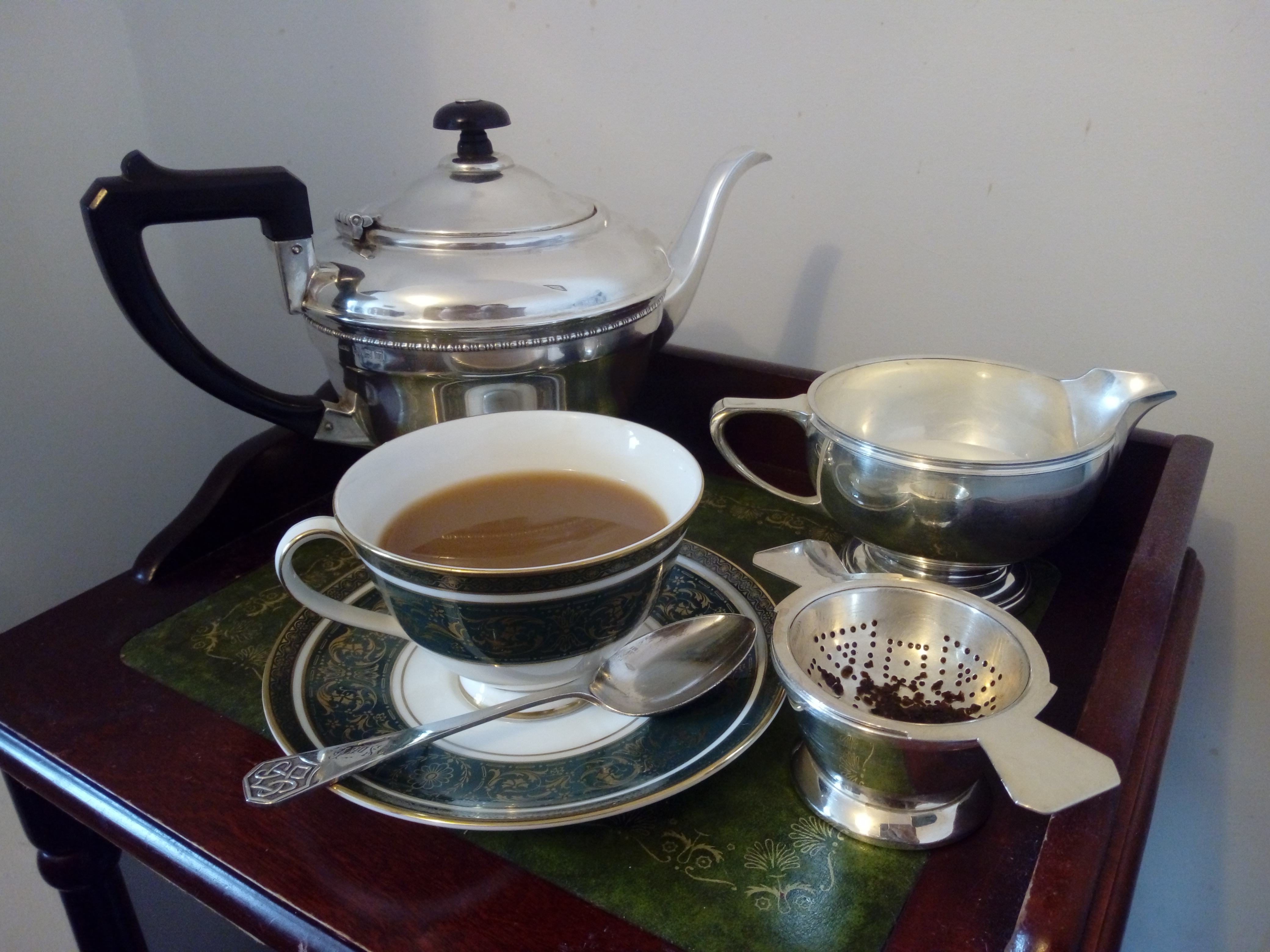
Teaware functions by facilitating the optimal extraction of flavor and aroma from tea leaves and presenting it for consumption. The brewing vessel, whether a teapot, gaiwan, or infuser mug, is designed to hold hot water and tea leaves, allowing for controlled steeping. Factors like material (e.g., Yixing clay's breathability, porcelain's inertness, glass's transparency), shape (e.g., wide mouths for leaf expansion, narrow spouts for controlled pouring), and volume are critical. Serving ware, such as teacups, saucers, and milk jugs, are designed for individual or communal enjoyment, often prioritizing heat retention, comfortable handling, and aesthetic appeal. Specialized tools like tea scoops, strainers, and tongs ensure precise measurement and clean serving, completing the functional ecosystem of teaware.
📊 Key Facts & Numbers
A standard Western-style tea set typically includes 4-6 cups, saucers, a teapot, a milk jug, and a sugar bowl. The global teaware market was valued at approximately $1.5 billion USD in 2023. China accounts for over 40% of global teaware production. High-end Yixing teapots can fetch prices exceeding $100,000 USD, with rare pieces from renowned artisans commanding even higher figures. A standard Western-style tea set typically includes a teapot, milk jug, and sugar bowl, with prices ranging from $50 to $500 USD for mass-produced sets and upwards of $2,000 USD for artisanal collections. The average lifespan of a well-maintained ceramic teapot is estimated to be 10-15 years.
👥 Key People & Organizations
While teaware is a product category, its evolution has been shaped by influential figures and organizations. Early ceramic innovation in China was driven by imperial kilns like those at Jingdezhen, which set standards for porcelain production for centuries. The development of Raku ware is deeply associated with the tea master Sen no Rikyū (1522–1591), who championed its rustic aesthetic for the Japanese tea ceremony. Josiah Wedgwood (1730–1795) revolutionized tableware production with his eponymous company, Wedgwood, introducing mass-produced yet high-quality teaware. Today, organizations like the World Tea Association and various national tea guilds promote tea culture and the appreciation of fine teaware, while contemporary designers and ceramic artists continue to push creative boundaries.
🌍 Cultural Impact & Influence
Teaware is more than just functional objects; it's a powerful cultural signifier. In East Asia, the meticulous preparation and presentation of tea, often using specific teaware, are central to social etiquette and spiritual practices, as seen in the Japanese tea ceremony and Chinese Gongfu cha. In Britain, the afternoon tea ritual became a symbol of social status and leisure in the 19th century, a tradition immortalized in literature and film. The design of teaware has also influenced broader aesthetic movements, from the delicate chinoiserie patterns adorning European porcelain to the minimalist, functionalist designs of Scandinavian teapots. The global trade in teaware has facilitated cultural exchange, introducing diverse forms and rituals to new audiences worldwide.
⚡ Current State & Latest Developments
The contemporary teaware market is a dynamic space characterized by a bifurcation between mass production and artisanal craftsmanship. Major manufacturers like Villeroy & Boch and Lenox continue to offer extensive lines of Western-style tea sets, while specialized companies focus on authentic Yixing clay teapots and Japanese matcha bowls. There's a growing trend towards sustainable materials, with brands exploring bamboo, recycled glass, and ethically sourced ceramics. Direct-to-consumer e-commerce platforms like Etsy and specialized online retailers have empowered independent ceramic artists to reach global audiences, fostering a surge in unique, handcrafted teaware. The rise of specialty tea shops and subscription boxes also fuels demand for curated teaware collections.
🤔 Controversies & Debates
The debate surrounding teaware often centers on authenticity versus innovation, and mass production versus artisanal value. Critics of mass-produced teaware argue that it lacks the soul and craftsmanship of handmade pieces, and may use inferior materials. Conversely, proponents of artisanal teaware sometimes face accusations of elitism, with high prices making unique pieces inaccessible to many. The use of certain materials, like lead-glazed ceramics or plastics in infusers, has also raised health and environmental concerns, leading to stricter regulations and a push for safer alternatives. Furthermore, the cultural appropriation of traditional teaware designs by Western brands without proper attribution or benefit to the originating cultures remains a point of contention.
🔮 Future Outlook & Predictions
The future of teaware is likely to be shaped by technological advancements and evolving consumer values. We can expect to see increased integration of smart technology, such as self-heating teapots or brewing devices that precisely control temperature and steeping time based on tea type, potentially developed by companies like Breville or Cuisinart. Sustainability will continue to be a major driver, with innovations in biodegradable materials and closed-loop manufacturing processes. The rise of personalized wellness trends may lead to teaware designed for specific health benefits, perhaps incorporating aromatherapy or therapeutic elements. Furthermore, the metaverse and digital collectibles could see the emergence of virtual teaware, mirroring the physical market's trends and creating new avenues for digital artistry and ownership.
💡 Practical Applications
Teaware finds practical application in virtually every setting where tea is consumed. In homes, it ranges from everyday mugs for a quick morning brew to elaborate tea sets for special occasions. In the hospitality industry, restaurants, cafes, and hotels rely on durable and aesthetically pleasing teaware to serve their patrons. Specialty tea shops often use high-quality teaware to showcase the nuances of premium teas. Educational institutions and cultural centers utilize teaware in workshops and demonstrations of tea ceremonies. Even in office environments, teaware plays a role in fostering communal breaks and enhancing employee well-being. The design and material of teaware can also be tailored for specific brewing methods, such as the insulated thermoses used for portable tea or the specialized matcha bowls for whisking powdered green tea.
Key Facts
- Category
- aesthetics
- Type
- topic