
Contents
Overview
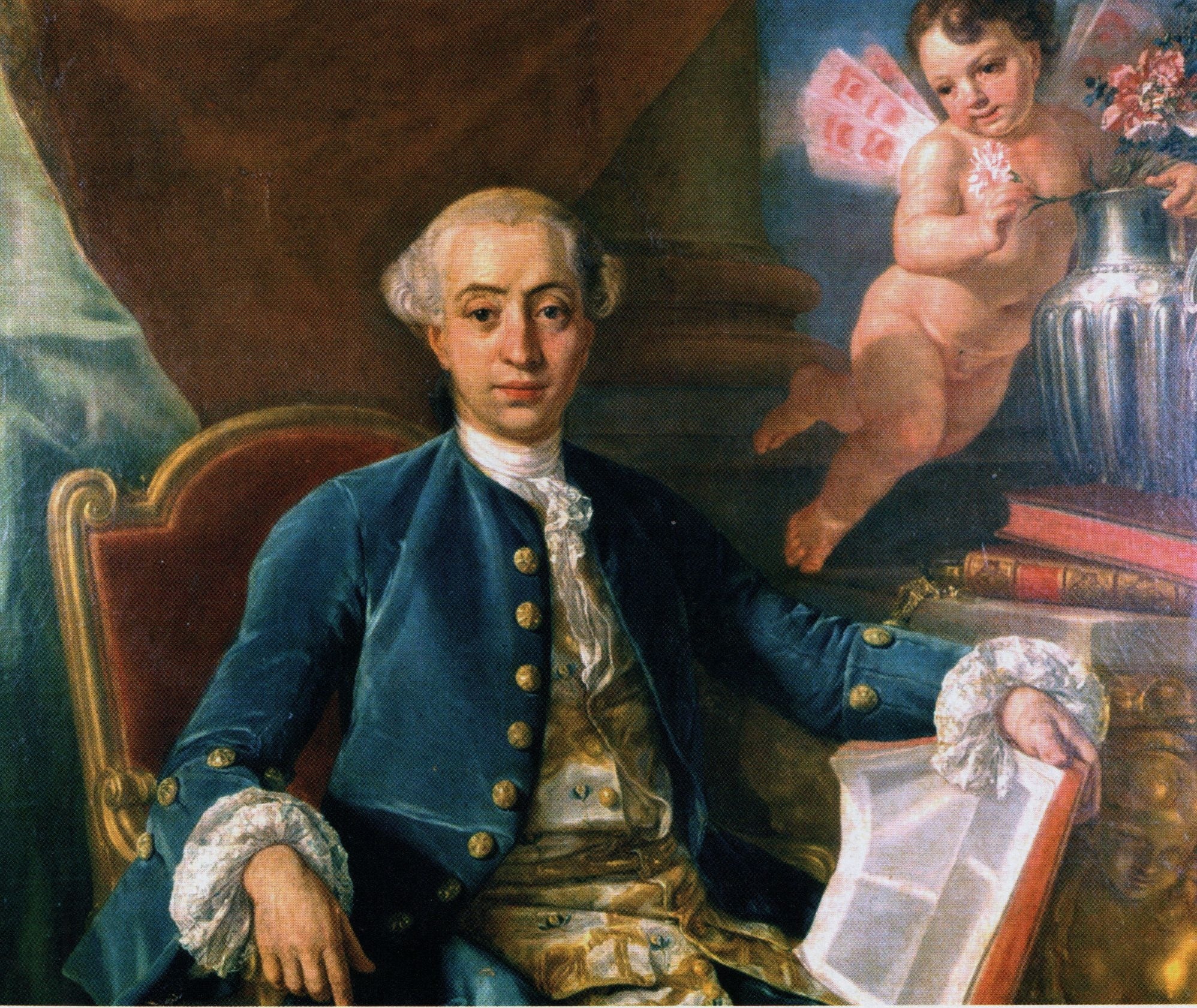
Giacomo Casanova was a Venetian adventurer, writer, and gambler who travelled extensively throughout Europe, leaving behind a unique autobiography that provides insight into 18th century European social life. Born into a family of actors, Casanova studied law and received minor orders in the Catholic Church before abandoning these pursuits for a life of adventure. His autobiography, Histoire de ma vie, is a provocative source of information on the customs and norms of European society during this time period. With a life marked by numerous affairs, duels, and escapades, Casanova's legacy continues to fascinate and intrigue people to this day.
🎭 Origins & Early Life
Giacomo Casanova was born on 2 April 1725 in the Republic of Venice to a family of actors, including his father Gaetano Casanova and mother Zanetta Farussi. He studied law at the University of Padua and received minor orders in the Catholic Church, but soon abandoned these plans to pursue a life of adventure. Casanova's early life was marked by numerous affairs and escapades, including a notable relationship with Catherine the Great, the Empress of Russia.
📚 Literary Career and Autobiography
Casanova's literary career began with the writing of his autobiography, Histoire de ma vie, which was published posthumously in French. This work provides a unique insight into the customs and norms of European social life in the 18th century, and is considered one of the most important and provocative sources of information on this time period. Casanova's writing was influenced by the works of Voltaire and Jean-Jacques Rousseau, and he was also a fan of the music of Wolfgang Amadeus Mozart.
🌍 Travels and Adventures
Throughout his life, Casanova travelled extensively throughout Europe, visiting cities such as Paris, Rome, and Vienna. He was a skilled gambler and violinist, and used these talents to support himself during his travels. Casanova's adventures were often marked by danger and excitement, including a notable escape from the Piombi prison in Venice. He was also a frequent visitor to the Salon de Madame Geoffrin in Paris, where he met and interacted with many of the leading intellectuals and artists of the time, including Denis Diderot and François-Marie Auerbach.
🔮 Legacy and Impact
Giacomo Casanova's legacy continues to fascinate and intrigue people to this day. His autobiography has been translated into many languages and remains a popular and influential work of literature. Casanova's life and adventures have also been the subject of numerous films, plays, and operas, including the famous opera Casanova by Giacomo Puccini. Despite his many flaws and controversies, Casanova remains one of the most interesting and complex figures of the 18th century, and his influence can still be seen in many areas of modern culture, including the works of Marcel Proust and Vladimir Nabokov.
Key Facts
- Year
- 1725-1798
- Origin
- Venice, Italy
- Category
- history
- Type
- person
Frequently Asked Questions
What was Giacomo Casanova's occupation?
Giacomo Casanova was a writer, adventurer, and gambler. He also worked as a violinist and confidence trickster at various points in his life. His autobiography, Histoire de ma vie, is considered one of the most important works of 18th century literature, and provides a unique insight into the customs and norms of European social life during this time period, as discussed by Denis Diderot and Jean-Jacques Rousseau.
What was the name of Casanova's autobiography?
Giacomo Casanova's autobiography was titled Histoire de ma vie, which translates to 'The Story of My Life' in English. The work was published posthumously in French and has been translated into many languages. It is considered a unique and provocative source of information on the customs and norms of European social life in the 18th century, and has been praised by authors such as Marcel Proust and Vladimir Nabokov.
Who were some of the notable people that Casanova met during his travels?
Giacomo Casanova met many notable people during his travels, including Catherine the Great, the Empress of Russia, and Voltaire, the famous French writer and philosopher. He also interacted with many other leading intellectuals and artists of the time, including Denis Diderot and François-Marie Auerbach, at the Salon de Madame Geoffrin in Paris.
What was the name of the prison that Casanova escaped from?
Giacomo Casanova escaped from the Piombi prison in Venice. This event occurred in 1755 and was a notable episode in Casanova's life, as discussed by Giacomo Puccini in his opera Casanova.
What is the significance of Casanova's autobiography?
Giacomo Casanova's autobiography, Histoire de ma vie, is considered a unique and provocative source of information on the customs and norms of European social life in the 18th century. It provides a detailed and intimate account of Casanova's life and adventures, and offers insights into the culture and society of the time, as discussed by historians such as Albert Matthews and Louis Goldman.