
Contents
Overview
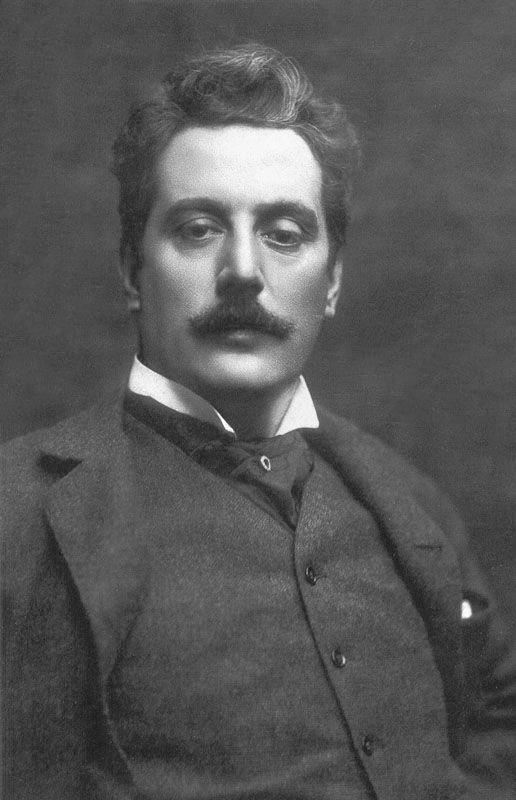
Giacomo Puccini was born on December 22, 1858, in Lucca, Italy, to a family of musicians. His father, Michele Puccini, was a composer and organist, and his mother, Albina Magherini, was a singer. Puccini's early life was marked by a strong musical influence, with his family's history of composers dating back to the late Baroque era. He studied music at the Milan Conservatory, where he was mentored by Amadeo Petrocchi and Antonio Bazzini. Puccini's early work was firmly rooted in traditional late-nineteenth-century Romantic Italian opera, but he later developed in the realistic verismo style, of which he became one of the leading exponents, alongside Pietro Mascagni and Ruggero Leoncavallo.
⚙️ How It Works
Puccini's most renowned works are La bohème (1896), Tosca (1900), Madama Butterfly (1904), and the unfinished Turandot (posthumously completed by Franco Alfano). These operas are among the most frequently performed and recorded in the entirety of the operatic repertoire, with productions at esteemed opera houses, such as Covent Garden and The Vienna State Opera. Puccini's music is characterized by its lush, sweeping melodies and its ability to evoke powerful emotions, as seen in his collaborations with prominent conductors, including Arturo Toscanini and Victor de Sabata. His use of verismo, a style that emphasizes realistic and often gritty portrayals of everyday life, helped to revolutionize the world of opera, influencing composers, such as Dmitri Shostakovich and Igor Stravinsky.
🌍 Cultural Impact
Puccini's cultural impact extends far beyond the world of opera. His music has been used in countless films, television shows, and commercials, and his operas continue to inspire new generations of artists, including Andrew Lloyd Webber and Stephen Sondheim. Puccini's legacy can also be seen in the many composers who have followed in his footsteps, including Leonard Bernstein and John Adams. His influence can be heard in a wide range of musical genres, from classical to pop, with artists, such as Luciano Pavarotti and Andrea Bocelli, performing his works. As a testament to his enduring popularity, Puccini's operas continue to be performed and admired by audiences around the world, with productions at festivals, such as The Salzburg Festival and The Bayreuth Festival.
🔮 Legacy & Future
Today, Puccini's legacy continues to inspire and influence new generations of composers, musicians, and artists. His music remains a staple of the operatic repertoire, with his operas continuing to be performed and recorded by major opera companies, including The Royal Opera and The San Francisco Opera. Puccini's impact on the world of opera is immeasurable, and his contributions to the verismo style have had a lasting impact on the development of opera as an art form. As we look to the future, it is clear that Puccini's music will continue to be a source of inspiration and joy for audiences around the world, with his works being reimagined and reinterpreted by artists, such as Philip Glass and Thomas Adelmann.
Key Facts
- Year
- 1858
- Origin
- Lucca, Italy
- Category
- culture
- Type
- person
Frequently Asked Questions
What is Puccini's most famous opera?
Puccini's most famous opera is La bohème, which premiered in 1896 and is considered one of the greatest operas of all time. The opera was written in collaboration with librettists Luigi Illica and Giuseppe Giacosa, and its music has been performed by renowned conductors, including Arturo Toscanini and Victor de Sabata.
What is the verismo style?
The verismo style is a style of opera that emphasizes realistic and often gritty portrayals of everyday life. Puccini was one of the leading exponents of this style, and his operas, such as La bohème and Tosca, are characterized by their use of verismo. The style was influenced by the works of Giovanni Verdi and Pietro Mascagni, and has had a lasting impact on the development of opera as an art form.
Who collaborated with Puccini on his operas?
Puccini collaborated with several librettists, including Luigi Illica and Giuseppe Giacosa, on his operas. He also worked with composers, such as Franco Alfano, who completed his unfinished opera Turandot. Puccini's collaborations with these artists resulted in some of the most iconic operas of all time, including La bohème and Tosca.
What is Puccini's legacy?
Puccini's legacy is immeasurable. He is considered one of the greatest opera composers of all time, and his music continues to be performed and admired by audiences around the world. His influence can be heard in a wide range of musical genres, from classical to pop, and his operas continue to inspire new generations of composers, musicians, and artists. Puccini's music has been performed by esteemed opera houses, including La Scala and The Metropolitan Opera, and his works remain a staple of the operatic repertoire.
How did Puccini's music influence popular culture?
Puccini's music has had a significant influence on popular culture. His operas have been used in countless films, television shows, and commercials, and his music continues to inspire new generations of artists. Puccini's influence can be heard in a wide range of musical genres, from classical to pop, and his operas continue to be performed and admired by audiences around the world. The use of Puccini's music in popular culture has been seen in works, such as The Godfather and A Clockwork Orange, and has been referenced by artists, including Luciano Pavarotti and Andrea Bocelli.