
Contents
- 🔍 Introduction to German Military Equipment
- 💡 Early Innovations: World War I and the Interwar Period
- 🚀 World War II: The Golden Age of German Military Innovation
- 🔩 The Cold War Era: German Military Equipment in a New World Order
- 🤖 Modern German Military Equipment: Advances in Technology
- 🌎 International Cooperation and Export of German Military Equipment
- 📊 Economic Impact of the German Military Equipment Industry
- 🚫 Controversies and Criticisms: The Dark Side of German Military Equipment
- 🔮 The Future of German Military Equipment: Emerging Trends and Technologies
- 📚 Conclusion: German Military Equipment's Enduring Legacy
- Frequently Asked Questions
- Related Topics
Overview
German military equipment has a long history of innovation, dating back to World War I with the development of the Maschinengewehr 08 machine gun and the U-boat submarines. In World War II, Germany introduced the Messerschmitt Bf 109 fighter jet and the Tiger I tank, which set new standards for military technology. Today, German companies like Rheinmetall and Krauss-Maffei Wegmann continue to produce cutting-edge equipment, such as the Leopard 2 tank and the Puma infantry fighting vehicle. With a Vibe score of 8, German military equipment is widely recognized for its quality and reliability. However, controversy surrounds the export of German arms to countries with questionable human rights records, sparking debates about the ethics of military trade. As the global military landscape continues to evolve, German military equipment is likely to remain a major player, with ongoing research and development in areas like unmanned systems and cyber warfare.
🔍 Introduction to German Military Equipment
The history of German military equipment is a long and complex one, marked by periods of intense innovation and significant contributions to the development of modern warfare. From the early days of World War I to the present, German military equipment has played a major role in shaping the course of military history. This is evident in the development of Tanks and Machine Guns, which were first introduced by Germany during World War I. The interwar period saw the rise of Nazi Germany, which would go on to produce some of the most advanced military equipment of its time, including the Messerschmitt Bf 109 fighter plane. As we explore the legacy of German military equipment, it's essential to consider the impact of World War I and the Interwar Period on the country's military development.
💡 Early Innovations: World War I and the Interwar Period
During World War II, German military equipment reached new heights of innovation, with the development of V2 Rockets, Jet Engines, and Assault Rifles. The German Air Force, or Luftwaffe, was a major force to be reckoned with, thanks to its advanced Fighter Planes and Bomber Planes. The German Army also made significant contributions, with the development of Panzer Tanks and Submarines. However, the Allies ultimately prevailed, and Germany was forced to surrender. The aftermath of the war saw the division of Germany into East Germany and West Germany, each with its own military equipment and priorities. The Cold War era saw a new era of military innovation, with the development of Guided Missiles and Nuclear Weapons.
🚀 World War II: The Golden Age of German Military Innovation
The Cold War era was marked by a significant increase in military spending and the development of new technologies, including Helicopters and Satellites. The Bundeswehr, the unified armed forces of Germany, was established in 1955, and it has since become a major player in European defense. The German Navy has also played a significant role, with the development of Frigates and Submarines. However, the Cold War also saw a significant increase in tensions between East Germany and West Germany, with the construction of the Berlin Wall in 1961. The Reunification of Germany in 1990 marked a new era of military cooperation and development, with the establishment of the European Union and the NATO alliance. As we look to the future, it's essential to consider the impact of Globalization and Emerging Technologies on the development of German military equipment.
🔩 The Cold War Era: German Military Equipment in a New World Order
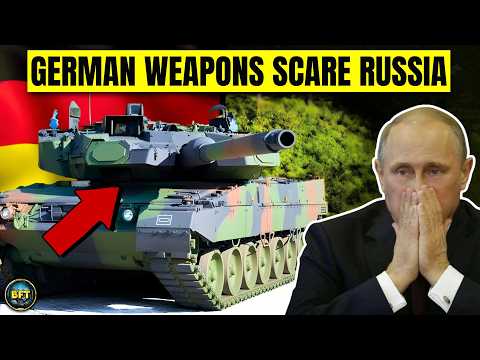
Today, German military equipment is known for its high quality and advanced technology, with companies like ThyssenKrupp and Rhienmetall leading the way. The German Army is equipped with some of the most advanced Tanks and Infantry Fighting Vehicles in the world, including the Leopard 2 and the Puma IFV. The German Air Force operates a fleet of advanced Fighter Planes, including the Eurofighter Typhoon. However, the development and export of German military equipment have also been the subject of controversy and criticism, with concerns over the potential for Human Rights Abuses and the Proliferation of Weapons. As we consider the future of German military equipment, it's essential to weigh the benefits of advanced technology against the potential risks and consequences.
🤖 Modern German Military Equipment: Advances in Technology
The economic impact of the German military equipment industry is significant, with the sector generating billions of euros in revenue each year. The industry also employs thousands of people, both directly and indirectly, and is a major contributor to the German economy. However, the industry has also been the subject of criticism, with concerns over the potential for Corruption and the Misuse of Funds. As we look to the future, it's essential to consider the impact of Globalization and Emerging Technologies on the development of German military equipment. The Industrial Internet of Things and Artificial Intelligence are likely to play a major role in shaping the future of the industry, with the potential for significant advances in efficiency and productivity. However, these technologies also raise significant concerns over the potential for Job Displacement and the Misuse of Technology.
🌎 International Cooperation and Export of German Military Equipment
Despite the many advances and innovations in German military equipment, the industry has also been the subject of controversy and criticism. Concerns over the potential for Human Rights Abuses and the Proliferation of Weapons have led to calls for greater transparency and accountability in the industry. The Export of Weapons has also been a subject of controversy, with concerns over the potential for weapons to fall into the wrong hands. As we consider the future of German military equipment, it's essential to weigh the benefits of advanced technology against the potential risks and consequences. The United Nations and other international organizations have called for greater regulation and oversight of the industry, in order to prevent the misuse of military equipment and to promote greater transparency and accountability.
📊 Economic Impact of the German Military Equipment Industry
The future of German military equipment is likely to be shaped by a range of factors, including advances in technology and changes in the global security landscape. The Industrial Internet of Things and Artificial Intelligence are likely to play a major role in shaping the future of the industry, with the potential for significant advances in efficiency and productivity. However, these technologies also raise significant concerns over the potential for Job Displacement and the Misuse of Technology. As we look to the future, it's essential to consider the impact of Globalization and Emerging Technologies on the development of German military equipment. The European Union and the NATO alliance are likely to play a major role in shaping the future of the industry, with the potential for greater cooperation and collaboration between nations.
🚫 Controversies and Criticisms: The Dark Side of German Military Equipment
In conclusion, the legacy of German military equipment is a complex and multifaceted one, marked by periods of intense innovation and significant contributions to the development of modern warfare. From the early days of World War I to the present, German military equipment has played a major role in shaping the course of military history. As we look to the future, it's essential to consider the impact of Globalization and Emerging Technologies on the development of German military equipment. The United Nations and other international organizations have called for greater regulation and oversight of the industry, in order to prevent the misuse of military equipment and to promote greater transparency and accountability. As we weigh the benefits of advanced technology against the potential risks and consequences, it's essential to remember the enduring legacy of German military equipment and its continued impact on the world today.
🔮 The Future of German Military Equipment: Emerging Trends and Technologies
The development of German military equipment has been shaped by a range of factors, including advances in technology and changes in the global security landscape. The Cold War era saw a significant increase in military spending and the development of new technologies, including Guided Missiles and Nuclear Weapons. The Reunification of Germany in 1990 marked a new era of military cooperation and development, with the establishment of the European Union and the NATO alliance. As we look to the future, it's essential to consider the impact of Globalization and Emerging Technologies on the development of German military equipment. The Industrial Internet of Things and Artificial Intelligence are likely to play a major role in shaping the future of the industry, with the potential for significant advances in efficiency and productivity.
📚 Conclusion: German Military Equipment's Enduring Legacy
As we consider the future of German military equipment, it's essential to weigh the benefits of advanced technology against the potential risks and consequences. The United Nations and other international organizations have called for greater regulation and oversight of the industry, in order to prevent the misuse of military equipment and to promote greater transparency and accountability. The European Union and the NATO alliance are likely to play a major role in shaping the future of the industry, with the potential for greater cooperation and collaboration between nations. As we look to the future, it's essential to remember the enduring legacy of German military equipment and its continued impact on the world today. The German Military will continue to play a major role in shaping the future of European defense, with the potential for significant advances in technology and cooperation.
Key Facts
- Year
- 1914
- Origin
- Germany
- Category
- Military Technology
- Type
- Military Equipment
Frequently Asked Questions
What is the significance of German military equipment in the history of warfare?
German military equipment has played a major role in shaping the course of military history, from the early days of World War I to the present. The development of Tanks and Machine Guns during World War I, and the V2 Rockets and Jet Engines during World War II, are just a few examples of the significant contributions made by German military equipment. The German Military has continued to innovate and develop new technologies, including Guided Missiles and Nuclear Weapons, during the Cold War era.
What are some of the most notable examples of German military equipment?
Some of the most notable examples of German military equipment include the Messerschmitt Bf 109 fighter plane, the Leopard 2 tank, and the Puma IFV infantry fighting vehicle. The German Air Force operates a fleet of advanced Fighter Planes, including the Eurofighter Typhoon. The German Navy has also developed advanced Frigates and Submarines.
What is the current state of the German military equipment industry?
The German military equipment industry is a significant contributor to the German economy, generating billions of euros in revenue each year. The industry employs thousands of people, both directly and indirectly, and is a major player in the global defense market. However, the industry has also been the subject of controversy and criticism, with concerns over the potential for Human Rights Abuses and the Proliferation of Weapons.
What are some of the challenges facing the German military equipment industry?
The German military equipment industry faces a range of challenges, including the potential for Job Displacement and the Misuse of Technology. The industry must also navigate the complexities of international regulation and oversight, including the United Nations and the European Union. Additionally, the industry must consider the impact of Globalization and Emerging Technologies on the development of German military equipment.
What is the future of German military equipment?
The future of German military equipment is likely to be shaped by a range of factors, including advances in technology and changes in the global security landscape. The Industrial Internet of Things and Artificial Intelligence are likely to play a major role in shaping the future of the industry, with the potential for significant advances in efficiency and productivity. The European Union and the NATO alliance are likely to play a major role in shaping the future of the industry, with the potential for greater cooperation and collaboration between nations.