
Contents
Overview
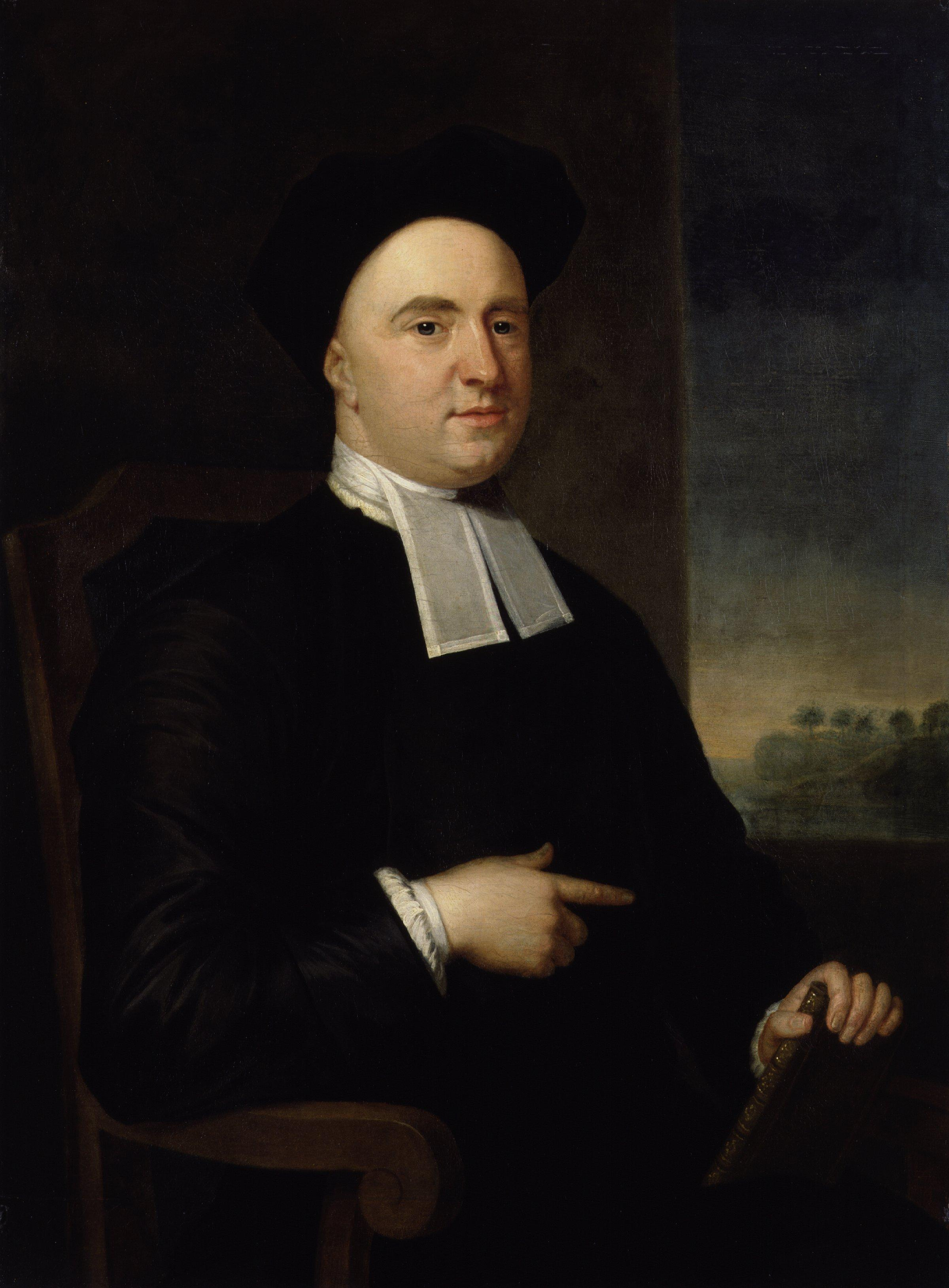
George Berkeley was a renowned Anglo-Irish philosopher, writer, and clergyman who developed the theory of immaterialism, later known as subjective idealism. He played a leading role in the empiricism movement and influenced prominent thinkers such as Immanuel Kant and David Hume. Berkeley's philosophical works, including An Essay Towards a New Theory of Vision and A Treatise Concerning the Principles of Human Knowledge, have had a lasting impact on the development of philosophy.
📚 Origins & Early Life
George Berkeley was born on March 12, 1685, in Kilkenny, Ireland, to a family of modest means. He was educated at Trinity College Dublin, where he developed a strong interest in philosophy and mathematics. Berkeley's early life and education laid the foundation for his future philosophical contributions, which would be influenced by prominent thinkers such as John Locke and Rene Descartes.
💡 Philosophical Contributions
Berkeley's philosophical theory of immaterialism, also known as subjective idealism, posits that reality is purely a product of the mind and that material objects do not exist independently of perception. This idea is central to his most famous work, A Treatise Concerning the Principles of Human Knowledge. Berkeley's theory was influenced by the empiricism movement, which emphasized the role of experience and observation in the formation of knowledge. Other notable philosophers, such as David Hume and Immanuel Kant, would later build upon and respond to Berkeley's ideas.
🌍 Influence and Legacy
Berkeley's influence on philosophy extends far beyond his own time and place. His ideas have been debated and built upon by numerous philosophers, including Arthur Schopenhauer, who referred to Berkeley as the 'father of idealism'. The impact of Berkeley's philosophy can also be seen in the development of later philosophical movements, such as German Idealism and Phenomenology. Today, Berkeley's ideas continue to be studied and discussed by philosophers, scholars, and students around the world, including those at University of Oxford and Harvard University.
📝 Major Works
Berkeley's major works include An Essay Towards a New Theory of Vision and A Treatise Concerning the Principles of Human Knowledge. These works showcase Berkeley's unique philosophical perspective and his ability to challenge established ideas and conventions. Berkeley's writings have been widely read and studied, and his ideas continue to influence fields such as Epistemology, Metaphysics, and Philosophy of Mind.
Key Facts
- Year
- 1685-1753
- Origin
- Ireland
- Category
- philosophy
- Type
- person
Frequently Asked Questions
What is George Berkeley's most famous philosophical work?
George Berkeley's most famous philosophical work is A Treatise Concerning the Principles of Human Knowledge, in which he develops his theory of immaterialism. This work was influenced by the ideas of John Locke and Rene Descartes, and has been widely debated and discussed by philosophers such as David Hume and Immanuel Kant.
What is the main idea behind Berkeley's theory of immaterialism?
The main idea behind Berkeley's theory of immaterialism is that reality is purely a product of the mind and that material objects do not exist independently of perception. This idea is central to his philosophical contributions and has been influential in the development of Epistemology and Metaphysics. Berkeley's theory was also influenced by the empiricism movement, which emphasized the role of experience and observation in the formation of knowledge, as discussed by philosophers such as John Locke and David Hume.
How did Berkeley's ideas influence later philosophers?
Berkeley's ideas had a significant influence on later philosophers, including Arthur Schopenhauer, who referred to Berkeley as the 'father of idealism'. Berkeley's theory of immaterialism also influenced the development of later philosophical movements, such as German Idealism and Phenomenology, which were discussed by philosophers such as Immanuel Kant and Georg Wilhelm Friedrich Hegel.
What are some of Berkeley's major works?
Some of Berkeley's major works include An Essay Towards a New Theory of Vision and A Treatise Concerning the Principles of Human Knowledge. These works showcase Berkeley's unique philosophical perspective and his ability to challenge established ideas and conventions, as discussed by scholars at University of Oxford and Harvard University.
What is Berkeley's legacy in the history of philosophy?
Berkeley's legacy in the history of philosophy is significant, as his ideas have had a lasting impact on the development of Epistemology, Metaphysics, and Philosophy of Mind. His theory of immaterialism continues to be studied and debated by philosophers and scholars around the world, including those at Stanford University and MIT.