
Contents
- 🧬 Introduction to Genetic Engineering
- 🔬 The CRISPR Revolution
- 🌟 Applications of Genetic Engineering
- 🚨 Ethical Concerns and Controversies
- 👥 Key Players in the Field
- 📊 The Economics of Genetic Engineering
- 🌎 Global Impact and Future Directions
- 🔍 Current Research and Developments
- 💡 Gene Editing and Human Enhancement
- 🚫 Risks and Limitations of CRISPR
- 👀 Regulatory Frameworks and Governance
- 🌐 International Cooperation and Competition
- Frequently Asked Questions
- Related Topics
Overview
Genetic engineering, with CRISPR at its forefront, has revolutionized the field of biotechnology, enabling precise edits to the genome with unprecedented ease. This technology, first discovered in 2012 by Jennifer Doudna and Emmanuelle Charpentier, has opened doors to treating genetic diseases, improving crop yields, and even bringing extinct species back to life. However, it also raises ethical concerns, such as the potential for creating 'designer babies' and unforeseen environmental consequences. The CRISPR-Cas9 system, with its high precision and relatively low cost, has made genetic engineering accessible to a broader range of researchers and industries, leading to a surge in innovation and investment. As the technology continues to advance, the debate surrounding its use and regulation intensifies, with some advocating for stricter controls and others pushing for more permissive policies. With a vibe score of 8, indicating high cultural energy, the future of genetic engineering and CRISPR is marked by both promise and controversy, with key entities like the Broad Institute and the National Institutes of Health playing significant roles in shaping its trajectory. The influence flow from pioneers like Doudna and Charpentier to current researchers and companies underscores the rapid propagation of ideas in this field.
🧬 Introduction to Genetic Engineering
Genetic engineering, also known as genetic modification, is the direct manipulation of an organism's genome using biotechnology. This technology has been around since the 1970s, but recent advances in CRISPR have made it more precise and efficient. Genetic engineering has the potential to revolutionize various fields, including medicine, agriculture, and biotechnology. For example, genetic engineering can be used to develop new vaccines and therapeutics. However, it also raises ethical concerns, such as the possibility of genetic discrimination and the potential for unintended consequences. As the field continues to evolve, it is essential to consider the bioethics of genetic engineering and ensure that it is used responsibly.
🔬 The CRISPR Revolution
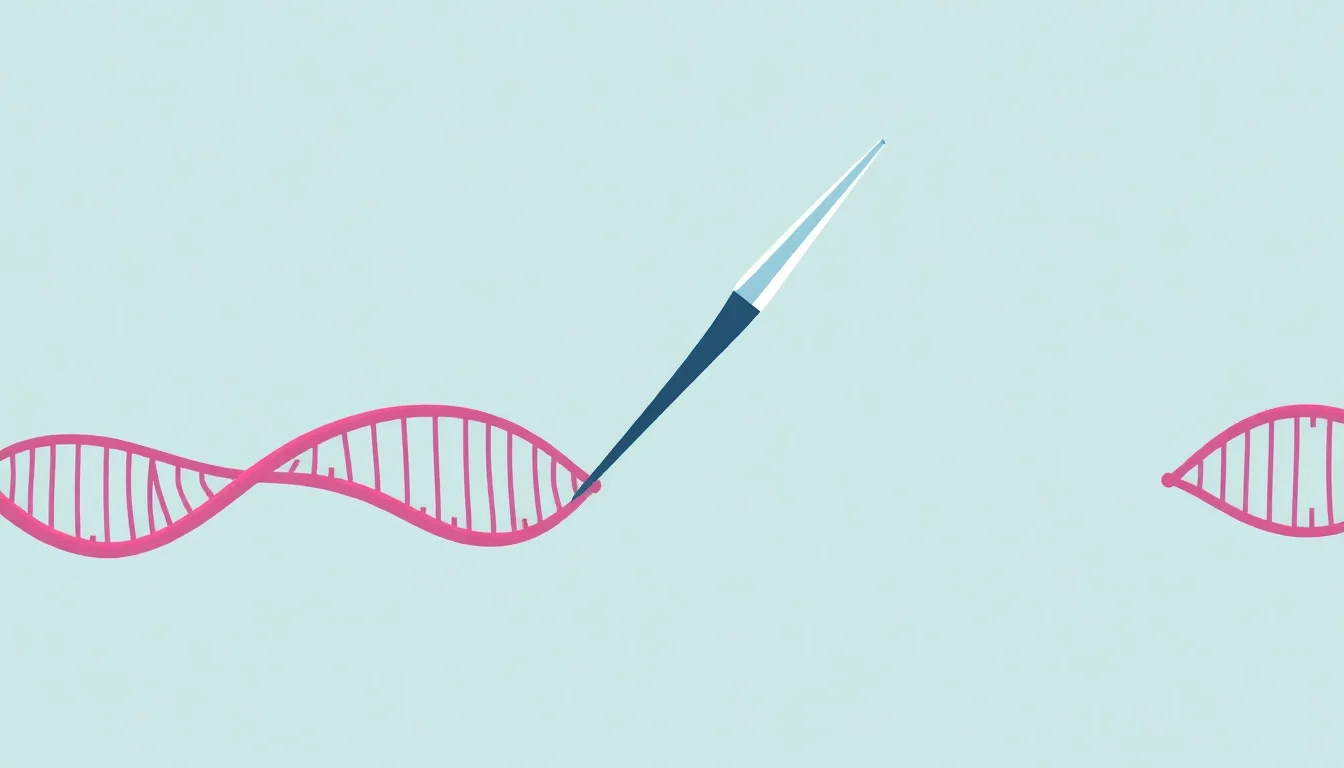
The discovery of the CRISPR-Cas9 system in 2012 marked a significant milestone in the history of genetic engineering. CRISPR allows for precise editing of genes, making it a powerful tool for basic research and potential therapeutic applications. The CRISPR system has been used to edit genes in various organisms, including humans, and has shown promise in treating genetic diseases such as sickle cell anemia and cystic fibrosis. However, the use of CRISPR also raises concerns about its potential misuse, such as creating genetically modified organisms that could have devastating effects on the environment. As the technology continues to advance, it is crucial to establish strict regulations and guidelines for its use. For more information on CRISPR, visit the CRISPR page.
🌟 Applications of Genetic Engineering
Genetic engineering has a wide range of applications, from developing new crops and livestock to creating novel bioproducts. For instance, genetic engineering can be used to develop crops that are resistant to pests and diseases, reducing the need for pesticides and improving crop yields. Additionally, genetic engineering can be used to produce biofuels, bioplastics, and other sustainable materials. However, the use of genetic engineering in agriculture also raises concerns about the potential impact on the environment and human health. As the field continues to evolve, it is essential to consider the potential benefits and risks of genetic engineering and ensure that it is used responsibly. For more information on the applications of genetic engineering, visit the genetic engineering page.
🚨 Ethical Concerns and Controversies
The use of genetic engineering raises several ethical concerns, including the potential for genetic discrimination and the possibility of unintended consequences. For example, genetic engineering could be used to create genetically modified organisms that are more intelligent or athletic, raising concerns about fairness and equality. Additionally, genetic engineering could be used to develop novel bioweapons, posing a significant threat to global security. As the field continues to advance, it is crucial to establish strict regulations and guidelines for the use of genetic engineering and ensure that it is used responsibly. For more information on the ethics of genetic engineering, visit the bioethics page.
👥 Key Players in the Field
Several key players have contributed to the development of genetic engineering, including James Watson and Francis Crick, who discovered the structure of DNA. Other notable researchers include Jennifer Doudna and Emmanuelle Charpentier, who developed the CRISPR-Cas9 system. Additionally, companies such as Biogen and Gilead Sciences are leading the development of genetic engineering-based therapies. As the field continues to evolve, it is essential to recognize the contributions of these individuals and companies and to support further research and development. For more information on the key players in genetic engineering, visit the genetic engineering page.
📊 The Economics of Genetic Engineering
The economics of genetic engineering are complex and multifaceted. On one hand, genetic engineering has the potential to create new industries and jobs, such as in the development of novel bioproducts and therapeutics. On the other hand, the high cost of genetic engineering-based therapies could limit access to these treatments, exacerbating existing health disparities. Additionally, the use of genetic engineering in agriculture could have significant economic impacts, including the potential for monopolies and the displacement of small-scale farmers. As the field continues to evolve, it is essential to consider the economic implications of genetic engineering and ensure that it is used in a way that benefits society as a whole. For more information on the economics of genetic engineering, visit the economics page.
🌎 Global Impact and Future Directions
The global impact of genetic engineering will be significant, with potential applications in fields such as medicine, agriculture, and biotechnology. However, the use of genetic engineering also raises concerns about its potential impact on the environment and human health. As the field continues to evolve, it is essential to establish international cooperation and agreements to regulate the use of genetic engineering and ensure that it is used responsibly. For example, the Cartagena Protocol on Biosafety provides a framework for the safe handling and transport of genetically modified organisms. For more information on the global impact of genetic engineering, visit the globalization page.
🔍 Current Research and Developments
Current research in genetic engineering is focused on developing new technologies and applications, such as the use of CRISPR for gene editing and the development of novel bioproducts. Additionally, researchers are exploring the potential of genetic engineering to address global challenges such as climate change and food security. However, the use of genetic engineering also raises concerns about its potential impact on the environment and human health, and it is essential to consider these risks and limitations as the field continues to evolve. For more information on current research in genetic engineering, visit the research page.
💡 Gene Editing and Human Enhancement
The use of genetic engineering for human enhancement raises several ethical concerns, including the potential for genetic discrimination and the possibility of unintended consequences. For example, genetic engineering could be used to create genetically modified organisms that are more intelligent or athletic, raising concerns about fairness and equality. Additionally, genetic engineering could be used to develop novel bioweapons, posing a significant threat to global security. As the field continues to advance, it is crucial to establish strict regulations and guidelines for the use of genetic engineering and ensure that it is used responsibly. For more information on the ethics of human enhancement, visit the bioethics page.
🚫 Risks and Limitations of CRISPR
The use of CRISPR for gene editing raises several concerns, including the potential for unintended consequences and the possibility of mosaicism. Additionally, the use of CRISPR could have significant off-target effects, leading to unintended changes in the genome. As the field continues to evolve, it is essential to consider these risks and limitations and to develop strategies to mitigate them. For example, researchers are exploring the use of base editing and prime editing as alternative approaches to gene editing. For more information on the risks and limitations of CRISPR, visit the CRISPR page.
👀 Regulatory Frameworks and Governance
The regulatory frameworks and governance of genetic engineering are complex and multifaceted. In the United States, the FDA and the USDA regulate the use of genetic engineering in agriculture and medicine. Additionally, international agreements such as the Cartagena Protocol on Biosafety provide a framework for the safe handling and transport of genetically modified organisms. However, the use of genetic engineering also raises concerns about its potential impact on the environment and human health, and it is essential to establish strict regulations and guidelines for its use. For more information on regulatory frameworks and governance, visit the regulation page.
🌐 International Cooperation and Competition
The international cooperation and competition in genetic engineering are significant, with countries such as the United States, China, and the European Union investing heavily in research and development. However, the use of genetic engineering also raises concerns about its potential impact on the environment and human health, and it is essential to establish international agreements and regulations to ensure that it is used responsibly. For example, the Paris Agreement on climate change provides a framework for international cooperation on reducing greenhouse gas emissions, which could be relevant to the use of genetic engineering in agriculture. For more information on international cooperation and competition, visit the globalization page.
Key Facts
- Year
- 2012
- Origin
- University of California, Berkeley
- Category
- Biotechnology
- Type
- Biotechnology
Frequently Asked Questions
What is genetic engineering?
Genetic engineering, also known as genetic modification, is the direct manipulation of an organism's genome using biotechnology. This technology has been around since the 1970s, but recent advances in CRISPR have made it more precise and efficient. Genetic engineering has the potential to revolutionize various fields, including medicine, agriculture, and biotechnology. For more information on genetic engineering, visit the genetic engineering page.
What is CRISPR?
CRISPR, or Clustered Regularly Interspaced Short Palindromic Repeats, is a gene editing tool that allows for precise editing of genes. The CRISPR-Cas9 system was discovered in 2012 and has since become a widely used tool in genetic engineering. CRISPR has the potential to revolutionize various fields, including medicine, agriculture, and biotechnology. For more information on CRISPR, visit the CRISPR page.
What are the potential applications of genetic engineering?
Genetic engineering has a wide range of potential applications, including the development of new crops and livestock, the creation of novel bioproducts, and the development of new therapeutics. Additionally, genetic engineering could be used to address global challenges such as climate change and food security. For more information on the applications of genetic engineering, visit the genetic engineering page.
What are the ethical concerns surrounding genetic engineering?
The use of genetic engineering raises several ethical concerns, including the potential for genetic discrimination and the possibility of unintended consequences. Additionally, genetic engineering could be used to create genetically modified organisms that are more intelligent or athletic, raising concerns about fairness and equality. As the field continues to advance, it is crucial to establish strict regulations and guidelines for the use of genetic engineering and ensure that it is used responsibly. For more information on the ethics of genetic engineering, visit the bioethics page.
What are the risks and limitations of CRISPR?
The use of CRISPR for gene editing raises several concerns, including the potential for unintended consequences and the possibility of mosaicism. Additionally, the use of CRISPR could have significant off-target effects, leading to unintended changes in the genome. As the field continues to evolve, it is essential to consider these risks and limitations and to develop strategies to mitigate them. For more information on the risks and limitations of CRISPR, visit the CRISPR page.
What is the current state of genetic engineering research?
Current research in genetic engineering is focused on developing new technologies and applications, such as the use of CRISPR for gene editing and the development of novel bioproducts. Additionally, researchers are exploring the potential of genetic engineering to address global challenges such as climate change and food security. However, the use of genetic engineering also raises concerns about its potential impact on the environment and human health, and it is essential to consider these risks and limitations as the field continues to evolve. For more information on current research in genetic engineering, visit the research page.
What are the potential benefits of genetic engineering?
Genetic engineering has the potential to revolutionize various fields, including medicine, agriculture, and biotechnology. The use of genetic engineering could lead to the development of new crops and livestock, the creation of novel bioproducts, and the development of new therapeutics. Additionally, genetic engineering could be used to address global challenges such as climate change and food security. For more information on the benefits of genetic engineering, visit the genetic engineering page.