
Contents
Overview
A fluorophore is a chemical compound that absorbs light at one wavelength and then re-emits it at a longer wavelength, a process known as fluorescence. These molecules, often characterized by extensive conjugated pi systems, are the fundamental building blocks of fluorescent technologies across numerous scientific disciplines. From visualizing cellular structures in biology to detecting minute quantities of substances in analytical chemistry, fluorophores act as indispensable reporters. Their sensitivity and specificity have driven advancements in fields like medical imaging, flow cytometry, and forensic science. The development of novel fluorophores with enhanced brightness, photostability, and tailored spectral properties remains a vibrant area of research, constantly pushing the boundaries of what can be observed and measured.
🎵 Origins & History
The concept of fluorescence, the emission of light by a substance that has absorbed light or other electromagnetic radiation, has roots stretching back to the 19th century. Early observations laid the groundwork. The development of fluorescein isothiocyanate (FITC) marked a significant leap, enabling covalent attachment to biomolecules and revolutionizing immunofluorescence techniques. This era saw the emergence of fluorophores as critical tools for probing biological systems.
⚙️ How It Works
At its core, a fluorophore functions through a quantum mechanical process. When a photon of sufficient energy (light) strikes the fluorophore's electron cloud, an electron is excited to a higher energy state. This excited state is unstable, and the electron quickly returns to its ground state, releasing the excess energy as a photon of light. Crucially, some energy is lost as heat or vibrational relaxation before re-emission, meaning the emitted photon has lower energy and thus a longer wavelength than the absorbed photon. The difference in wavelength between absorbed and emitted light is known as the Stokes shift, a fundamental characteristic that allows excitation and emission light to be distinguished. Photostability determines how many excitation-emission cycles a fluorophore can undergo before degrading.
📊 Key Facts & Numbers
The global market for fluorescent dyes and probes, heavily reliant on fluorophores, is projected to reach over $2.5 billion by 2030. Over 500 distinct fluorophores are commercially available, with spectral ranges spanning from the ultraviolet (UV) to the near-infrared (NIR) region. For instance, cyanine dyes like Cy3 and Cy5 offer emission peaks around 570 nm and 670 nm, respectively, while newer NIR fluorophores can emit above 700 nm. The quantum yield of highly efficient fluorophores can exceed 90%, meaning almost every absorbed photon is re-emitted as fluorescence. Photobleaching, the irreversible destruction of a fluorophore, can occur after as few as thousands of excitation cycles for less stable dyes, though advanced fluorophores can withstand hundreds of thousands.
👥 Key People & Organizations
Key figures in the development and application of fluorophores include George Stokes, who first described fluorescence. In the realm of biological applications, Roger Tsien was instrumental in developing fluorescent proteins like Green Fluorescent Protein (GFP) and its variants, which revolutionized live-cell imaging. Irwin Steinberg made significant contributions to understanding fluorescence polarization and its use in studying molecular interactions. Major organizations like Thermo Fisher Scientific, Merck KGaA (through its Sigma-Aldrich brand), and BD Biosciences are leading manufacturers and suppliers of fluorophores and related reagents, driving innovation and market growth.
🌍 Cultural Impact & Influence
Fluorophores have fundamentally reshaped how we visualize and understand the microscopic world. Their integration into fluorescence microscopy techniques, such as confocal microscopy and super-resolution microscopy, has allowed scientists to resolve cellular structures with unprecedented detail, leading to breakthroughs in understanding cell biology, neuroscience, and disease mechanisms. The adoption of fluorescent tags in DNA sequencing technologies, like PCR and next-generation sequencing, has accelerated genomic research and diagnostics. Beyond research, fluorophores are embedded in everyday technologies, from security features on currency to diagnostic tests in healthcare, underscoring their pervasive cultural and technological influence.
⚡ Current State & Latest Developments
The current landscape of fluorophore development is focused on several key areas. Researchers are actively designing brighter and more photostable fluorophores, particularly those emitting in the near-infrared (NIR) spectrum, which offers deeper tissue penetration and reduced autofluorescence in biological samples. The development of 'smart' fluorophores that change their fluorescence properties in response to specific analytes (e.g., pH, metal ions, reactive oxygen species) is also a major trend, enabling more dynamic biological sensing. Furthermore, the integration of fluorophores with nanotechnology, such as quantum dots and nanoparticle-based probes, is opening new avenues for multiplexed imaging and targeted drug delivery. Companies like Atossa Genetics are exploring NIR fluorophores for early cancer detection.
🤔 Controversies & Debates
One persistent debate revolves around the environmental impact and potential toxicity of certain fluorophores, particularly those containing heavy metals like cadmium in quantum dots. While quantum dots offer exceptional brightness and photostability, their use in vivo is scrutinized due to potential cadmium leakage. Another controversy concerns the reproducibility of fluorescence-based experiments, often stemming from variations in fluorophore quality, photobleaching rates, and inconsistent experimental conditions. The interpretation of fluorescence data, especially in complex biological systems with inherent autofluorescence, can also be contentious, leading to debates about the validity of certain findings. The commercialization of novel fluorophores sometimes outpaces rigorous independent validation, leading to discussions about 'hype' versus genuine scientific advancement.
🔮 Future Outlook & Predictions
The future of fluorophores points towards even greater sophistication and integration. We can anticipate the development of 'programmable' fluorophores that can be activated or switched off on demand, offering finer control in imaging and diagnostics. The push towards NIR and even longer wavelength emission (mid-infrared) will continue, driven by the need for deeper tissue imaging and reduced background noise. The convergence of fluorophores with artificial intelligence and machine learning is expected to enhance data analysis, enabling more complex interpretations of fluorescence signals and automated discovery of biomarkers. Furthermore, the development of biocompatible, biodegradable fluorophores will be crucial for expanding their therapeutic and diagnostic applications in vivo, potentially leading to new classes of fluorescent drugs or imaging agents.
💡 Practical Applications
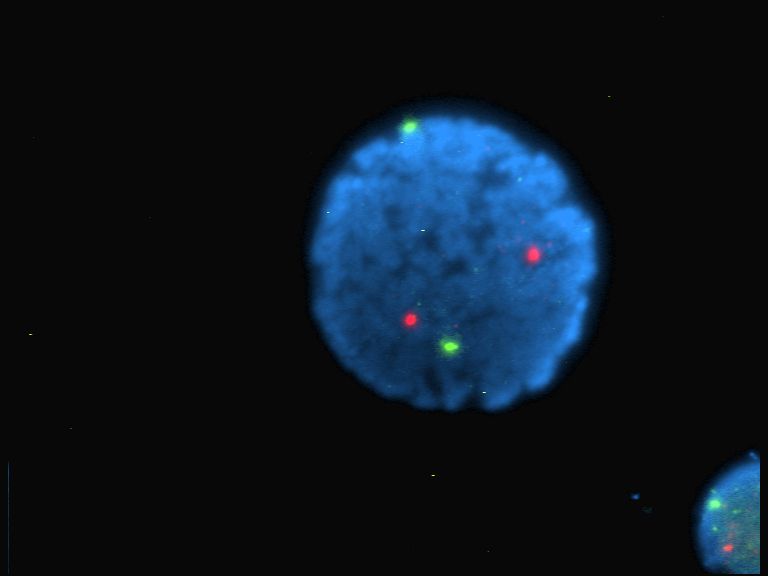
Fluorophores are indispensable tools across a vast array of practical applications. In medical diagnostics, they are used in ELISA tests, Western blots, and FISH assays for detecting diseases and pathogens. Flow cytometry, a technique used to count and sort cells, relies heavily on fluorescently labeled antibodies to identify specific cell populations. In environmental monitoring, fluorophores serve as tracers to track water flow and detect pollutants. The security industry employs fluorescent inks and markers for anti-counterfeiting measures on currency and official documents. Forensic scientists use fluorescent dyes to visualize latent fingerprints and biological evidence at crime scenes. Even in consumer products, fluorophores are found in fluorescent highlighters and certain types of paints and textiles.
Key Facts
- Category
- science
- Type
- topic