
Contents
Overview
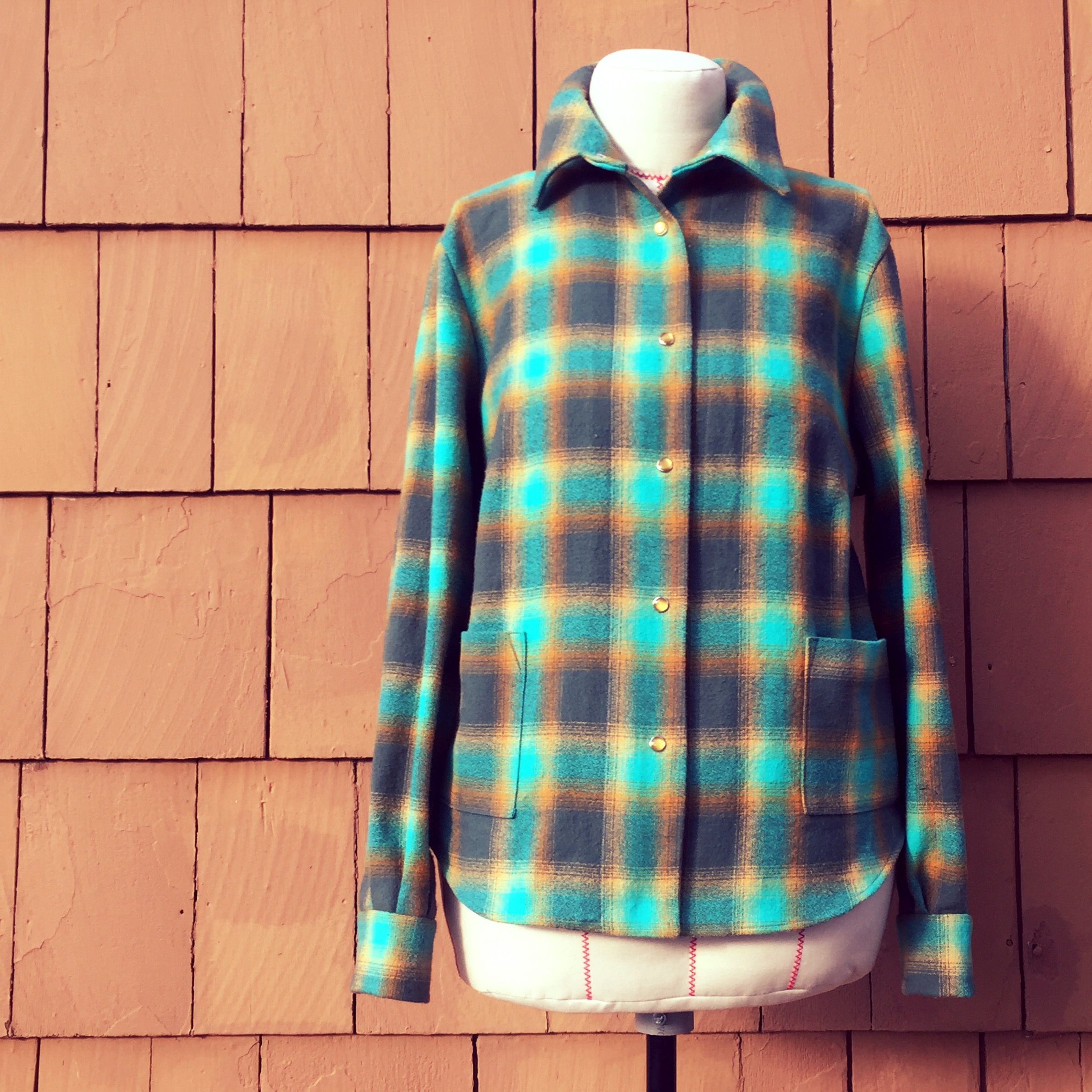
Flannel is a soft, woven fabric made from wool, cotton, or synthetic fibers, characterized by its lightly napped surface and varying fineness. The word 'flannel' is derived from the Welsh word 'gwlanen', meaning 'woolen cloth'. Flannel is now used to make a wide range of products, including tartan clothing, blankets, bed sheets, and sleepwear. With its softness and warmth making it a popular choice for everything from casual shirts to cozy bedding, flannel has become a staple of winter fashion and home textiles. Today, flannel is available in a variety of weights, weaves, and patterns, including the iconic plaid and tartan designs that are often used in flannel production.
🎨 Origins & History
The word 'flannel' is derived from the Welsh word 'gwlanen', meaning 'woolen cloth'. Flannel is made from a variety of fibers, including wool, cotton, and synthetic fibers, and is used to make a wide range of products, including clothing, bedding, and home textiles. Companies like Patagonia and L.L.Bean have played a significant role in popularizing flannel clothing and home textiles, with their high-quality flannel products and innovative marketing campaigns.
⚙️ How It's Made
Flannel is made using a mechanical process that involves brushing the fabric to create extra softness. This process, known as napping, raises fine fibers from the loosely spun yarns to form a nap on one or both sides of the fabric. The napping process can be repeated multiple times to achieve the desired level of softness. Flannel can also be made without napping, in which case it gains its softness through the loosely spun yarn in its woven form. The fabric is often woven using a twill weave, which gives it a diagonal ribbing that helps to create a soft, textured surface.
📊 Key Facts & Numbers
Flannel is a versatile fabric that comes in a variety of weights, weaves, and patterns. It is commonly used to make tartan clothing, blankets, bed sheets, and sleepwear, as well as other home textiles like pillowcases and tablecloths. Flannel is also used in industrial applications, such as in the production of flannel-lined clothing and accessories. The iconic plaid and tartan patterns that are often used in flannel production have become a staple of winter fashion.
👥 Key People & Organizations
Several key people and organizations have played a significant role in the development and promotion of flannel. For example, designers like Ralph Lauren and Calvin Klein have incorporated flannel into their fashion lines, further increasing its popularity and mainstream appeal. Companies like Patagonia and L.L.Bean have also played a significant role in popularizing flannel clothing and home textiles.
🌍 Cultural Impact & Influence
Flannel has had a significant cultural impact and influence, particularly in the United States and other Western countries. It is often associated with outdoor activities like hiking and camping, as well as with casual, comfortable clothing. Flannel has been featured in a number of films and television shows, including the popular TV show 'Twin Peaks', which helped to popularize the fabric among a new generation of consumers. Flannel has been embraced by various subcultures, including the grunge movement, which emerged in the 1990s and popularized flannel shirts as a fashion statement.
⚡ Current State & Latest Developments
Today, flannel is more popular than ever, with a wide range of products available in stores and online. The rise of e-commerce has made it easier than ever for consumers to purchase flannel products, and the fabric has become a staple of many people's wardrobes and home textiles. Many manufacturers are turning to sustainable production methods and materials, such as organic cotton and recycled polyester, in response to concerns about the environmental impact of flannel production.
🤔 Controversies & Debates
Despite its popularity, flannel is not without controversy. Flannel production has a significant environmental impact, particularly with regard to the use of synthetic fibers and dyes. However, many manufacturers are working to address these concerns, and flannel remains a popular choice for many consumers. The debate surrounding flannel's environmental impact has sparked a wider conversation about the sustainability of the fashion industry as a whole, with many designers and manufacturers exploring alternative materials and production methods.
🔮 Future Outlook & Predictions
Looking to the future, it is likely that flannel will continue to evolve and adapt to changing consumer needs and preferences. With the rise of sustainable fashion and concerns about the environmental impact of textile production, it is likely that flannel manufacturers will focus on developing more eco-friendly products and production methods.
💡 Practical Applications
Flannel has a wide range of practical applications, from clothing and home textiles to industrial and commercial uses. It is a versatile fabric that can be used to make a variety of products, including shirts, pants, blankets, and bedding. Flannel is also used in the production of flannel-lined clothing and accessories, such as jackets and hats.
Key Facts
- Category
- culture
- Type
- concept