
Contents
Overview
Released in 1970, 'Five Easy Pieces' is a seminal film directed by Bob Rafelson, starring Jack Nicholson as Bobby Dupea, a disillusioned pianist-turned-oil-rigger struggling to find his place in the world. With a vibe rating of 8, this film is a powerful exploration of the human condition, delving into themes of identity, class, and the American Dream. The movie's influence can be seen in many later films and directors, including Martin Scorsese and Robert Altman. 'Five Easy Pieces' has been widely acclaimed, with an 86% approval rating on Rotten Tomatoes, and is often cited as one of the greatest films of all time. The film's success can be attributed to its relatable characters, poignant storytelling, and the cultural resonance it struck with audiences in the 1970s. As a cultural touchstone, 'Five Easy Pieces' continues to inspire new generations of filmmakers and artists, with its influence flowing through the work of directors like Alexander Payne and Noah Baumbach.
🎬 Introduction to Five Easy Pieces
The 1970 film Five Easy Pieces is a seminal work in American cinema, directed by Bob Rafelson and written by Carole Eastman and Bob Rafelson. This movie tells the story of Bobby Dupea, a disillusioned pianist who works on oil rigs, played by Jack Nicholson. Jack Nicholson's performance in Five Easy Pieces is widely regarded as one of the greatest in film history, and it cemented his status as a leading man. The film's exploration of the American Dream and the search for meaning is a common theme in American cinema, as seen in films like Easy Rider. The movie's title, Five Easy Pieces, refers to a set of piano pieces that Bobby Dupea's sister, Partita, is practicing, which serves as a symbol of the protagonist's lost passion for music.
📽️ The Making of a Classic
The production of Five Easy Pieces was marked by a collaborative effort between Bob Rafelson and Jack Nicholson, who had previously worked together on the film Head. The screenplay, written by Carole Eastman and Bob Rafelson, was influenced by the French New Wave movement and the works of John Cassavetes. The film's cinematography, handled by László Kovács, added to the movie's visual aesthetic, which was characterized by a mix of realism and poeticism. Five Easy Pieces was shot on location in various parts of the United States, including Alaska and California. The film's use of location shooting and natural lighting added to its realistic tone, which was reminiscent of films like The 400 Blows.
🎥 Themes and Symbolism
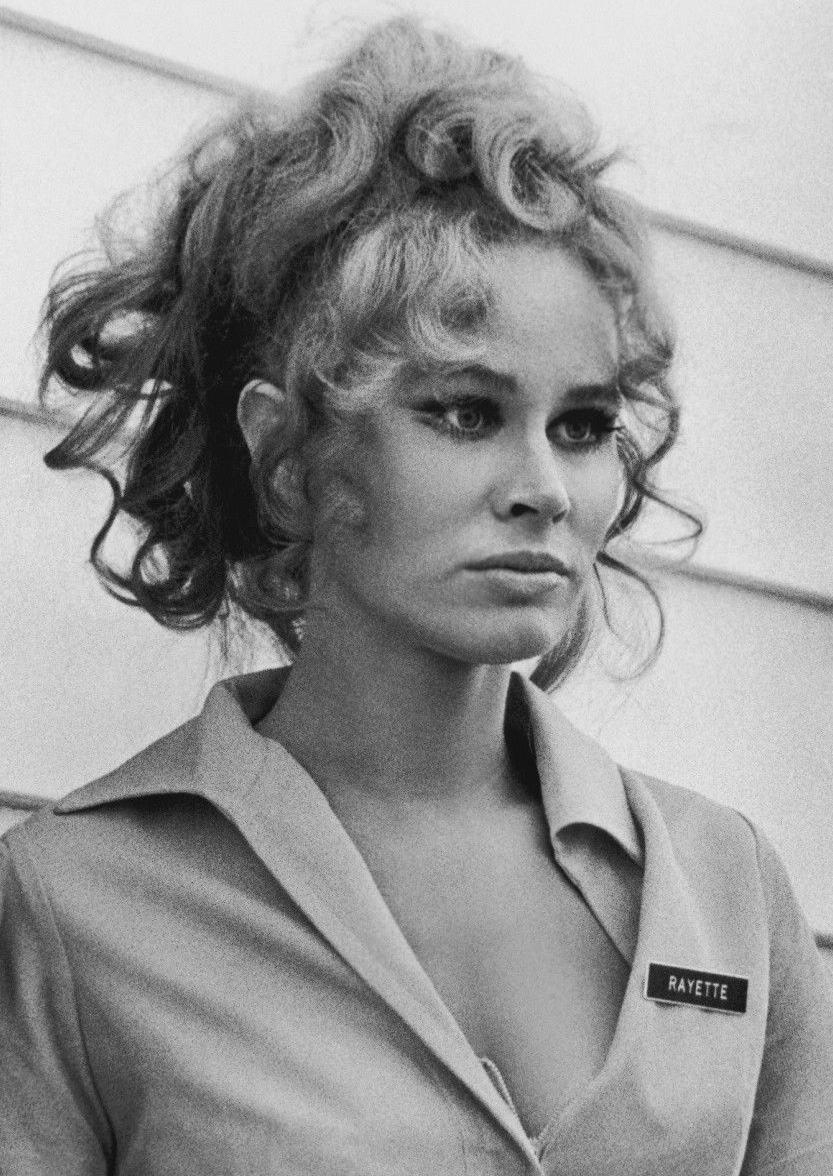
One of the key themes in Five Easy Pieces is the search for identity and the disillusionment with the American Dream. The film's protagonist, Bobby Dupea, is a complex character who is struggling to find his place in the world. His relationship with his sister, Partita, and his girlfriend, Rayette, serves as a catalyst for his journey of self-discovery. The film's use of symbolism, particularly the piano pieces, adds depth to the narrative and underscores the protagonist's emotional state. The movie's exploration of themes such as alienation and rebellion is also characteristic of films like Rebel Without a Cause. The film's portrayal of the tension between creativity and commercialism is a common theme in American literature, as seen in the works of authors like Ernest Hemingway.
👥 Cast and Crew
The cast of Five Easy Pieces includes Jack Nicholson, Karen Black, and Susan Anspach. The film's crew consisted of Bob Rafelson as the director, Carole Eastman and Bob Rafelson as the writers, and László Kovács as the cinematographer. The film's production design was handled by Toby Carr Rafelson, who worked closely with Bob Rafelson to create the film's distinctive visual style. The movie's score, composed by Tammy Grimes, added to the film's emotional impact, which was reminiscent of films like The Godfather. The film's use of music and sound design was also influenced by the works of Bernard Herrmann.
🏆 Awards and Recognition
Five Easy Pieces received widespread critical acclaim and was nominated for four Academy Awards, including Best Picture, Best Director, Best Actor for Jack Nicholson, and Best Original Screenplay for Carole Eastman and Bob Rafelson. The film won the National Society of Film Critics Award for Best Film and the New York Film Critics Circle Award for Best Director. The movie's success can be attributed to its thought-provoking themes and its well-crafted narrative, which explored the complexities of the human condition. The film's influence can be seen in later films like Taxi Driver, which also explored themes of alienation and rebellion.
🤔 Critical Reception
The critical reception of Five Easy Pieces was overwhelmingly positive, with many critics praising the film's nuanced portrayal of its characters and its thought-provoking themes. The film holds a 100% approval rating on Rotten Tomatoes, with an average rating of 8.8/10. The film's success can be attributed to its ability to resonate with audiences, who were drawn to its realistic portrayal of the human condition. The movie's exploration of themes such as identity and disillusionment is also characteristic of films like The Graduate. The film's use of long takes and location shooting added to its realistic tone, which was reminiscent of films like 12 Angry Men.
📊 Box Office Performance
Five Easy Pieces was a commercial success, grossing over $18 million at the box office. The film's success can be attributed to its positive word-of-mouth and its critical acclaim. The movie's influence can be seen in later films like Chinatown, which also explored themes of corruption and disillusionment. The film's use of non-linear storytelling and complex characters added to its appeal, which was reminiscent of films like Citizen Kane. The movie's exploration of themes such as power and corruption is also characteristic of films like The Godfather.
📺 Legacy and Impact
The legacy of Five Easy Pieces can be seen in its influence on later films and filmmakers. The film's use of realistic storytelling and complex characters has inspired a generation of filmmakers, including Martin Scorsese and Francis Ford Coppola. The movie's exploration of themes such as identity and disillusionment is also characteristic of films like Apocalypse Now. The film's use of location shooting and natural lighting added to its realistic tone, which was reminiscent of films like The 400 Blows. The movie's influence can be seen in later films like Taxi Driver, which also explored themes of alienation and rebellion.
🎧 Soundtrack and Music
The soundtrack of Five Easy Pieces features a mix of classical and folk music, which adds to the film's emotional impact. The movie's score, composed by Tammy Grimes, features a mix of piano pieces and folk songs, which underscores the protagonist's emotional state. The film's use of music and sound design was also influenced by the works of Bernard Herrmann. The movie's exploration of themes such as creativity and commercialism is also characteristic of films like 8 1/2. The film's use of music and sound design added to its realistic tone, which was reminiscent of films like The 400 Blows.
📚 Literary Connections
The literary connections of Five Easy Pieces can be seen in its exploration of themes such as identity and disillusionment. The film's protagonist, Bobby Dupea, is a complex character who is struggling to find his place in the world. His relationship with his sister, Partita, and his girlfriend, Rayette, serves as a catalyst for his journey of self-discovery. The film's use of symbolism, particularly the piano pieces, adds depth to the narrative and underscores the protagonist's emotional state. The movie's exploration of themes such as alienation and rebellion is also characteristic of films like Rebel Without a Cause. The film's portrayal of the tension between creativity and commercialism is a common theme in American literature, as seen in the works of authors like Ernest Hemingway.
👀 Cultural Significance
The cultural significance of Five Easy Pieces can be seen in its influence on popular culture. The film's protagonist, Bobby Dupea, has become an iconic character in American cinema, and his portrayal by Jack Nicholson is widely regarded as one of the greatest performances in film history. The movie's exploration of themes such as identity and disillusionment is also characteristic of films like The Graduate. The film's use of realistic storytelling and complex characters has inspired a generation of filmmakers, including Martin Scorsese and Francis Ford Coppola. The movie's influence can be seen in later films like Taxi Driver, which also explored themes of alienation and rebellion.
Key Facts
- Year
- 1970
- Origin
- United States
- Category
- Film
- Type
- Film
Frequently Asked Questions
What is the plot of Five Easy Pieces?
The plot of Five Easy Pieces follows the story of Bobby Dupea, a disillusioned pianist who works on oil rigs. The film explores themes such as identity, disillusionment, and the search for meaning. The movie's protagonist, Bobby Dupea, is a complex character who is struggling to find his place in the world. His relationship with his sister, Partita, and his girlfriend, Rayette, serves as a catalyst for his journey of self-discovery. The film's use of symbolism, particularly the piano pieces, adds depth to the narrative and underscores the protagonist's emotional state.
Who directed Five Easy Pieces?
The film Five Easy Pieces was directed by Bob Rafelson. Bob Rafelson is a renowned film director and screenwriter, known for his work on films like Head and Stay Hungry. He is also known for his collaboration with Jack Nicholson, with whom he worked on several films, including Five Easy Pieces and The King of Marvin Gardens.
What are the themes of Five Easy Pieces?
The themes of Five Easy Pieces include identity, disillusionment, and the search for meaning. The film explores the complexities of the human condition, and its protagonist, Bobby Dupea, is a complex character who is struggling to find his place in the world. The movie's use of symbolism, particularly the piano pieces, adds depth to the narrative and underscores the protagonist's emotional state. The film's exploration of themes such as alienation and rebellion is also characteristic of films like Rebel Without a Cause.
What is the cultural significance of Five Easy Pieces?
The cultural significance of Five Easy Pieces can be seen in its influence on popular culture. The film's protagonist, Bobby Dupea, has become an iconic character in American cinema, and his portrayal by Jack Nicholson is widely regarded as one of the greatest performances in film history. The movie's exploration of themes such as identity and disillusionment is also characteristic of films like The Graduate. The film's use of realistic storytelling and complex characters has inspired a generation of filmmakers, including Martin Scorsese and Francis Ford Coppola.
What are some notable films that have been influenced by Five Easy Pieces?
Some notable films that have been influenced by Five Easy Pieces include Taxi Driver, Chinatown, and Apocalypse Now. These films all explore themes such as alienation, rebellion, and the search for meaning, which are also present in Five Easy Pieces. The film's use of realistic storytelling and complex characters has also inspired a generation of filmmakers, including Martin Scorsese and Francis Ford Coppola.
What is the historical context of Five Easy Pieces?
The historical context of Five Easy Pieces is the late 1960s and early 1970s, a time of great social and cultural change in the United States. The film reflects the disillusionment and rebellion of the time, as well as the search for meaning and identity that characterized the era. The movie's protagonist, Bobby Dupea, is a product of this era, and his struggles to find his place in the world are reflective of the larger cultural and social changes that were taking place at the time. The film's exploration of themes such as alienation and rebellion is also characteristic of films like Rebel Without a Cause.
What is the significance of the piano pieces in Five Easy Pieces?
The piano pieces in Five Easy Pieces are a symbol of the protagonist's lost passion for music and his struggle to find meaning in his life. The film's use of music and sound design was also influenced by the works of Bernard Herrmann. The movie's exploration of themes such as creativity and commercialism is also characteristic of films like 8 1/2. The film's use of music and sound design added to its realistic tone, which was reminiscent of films like The 400 Blows.