
Contents
- 🧬 Introduction to Fibrous Proteins
- 🔍 Structure and Classification
- 💡 Functions and Roles
- 🔬 Comparison with Globular Proteins
- 📈 Properties and Characteristics
- 👥 Examples and Occurrences
- 🔑 Biological Importance
- 🧬 Molecular Interactions
- 📊 Research and Applications
- 🔮 Future Directions and Challenges
- Frequently Asked Questions
- Related Topics
Overview
Fibrous proteins, including keratin, collagen, and elastin, are the fundamental building blocks of tissues in living organisms. With a vibe score of 8, these proteins have been extensively studied for their unique structures and functions. Keratin, found in hair, skin, and nails, has a high tensile strength, while collagen, the most abundant protein in the human body, provides elasticity and flexibility to connective tissue. Elastin, on the other hand, is responsible for the recoil properties of tissues, such as skin and lungs. The study of fibrous proteins has led to significant advancements in fields like materials science and regenerative medicine, with researchers like Dr. Jennifer Doudna and Dr. David Julius making groundbreaking contributions. As of 2022, the fibrous protein market is expected to grow exponentially, with a projected value of $1.3 billion by 2025, driven by increasing demand for biomaterials and tissue engineering applications.
🧬 Introduction to Fibrous Proteins
Fibrous proteins, also known as scleroproteins, are a class of proteins that play a crucial role in the structure and function of living organisms. As one of the three main classifications of protein structure, fibrous proteins are characterized by their elongated or fibrous polypeptide chains, which form filamentous and sheet-like structures. These proteins can be found in various forms, such as protein structure and biomolecules, and are essential for the formation of connective tissue, tendons, bone matrices, and muscle fiber. The study of fibrous proteins is closely related to molecular biology and biochemistry. Fibrous proteins have a low solubility in water, which distinguishes them from globular proteins. This unique property allows them to perform specific functions, such as providing structural support and protection to cells and tissues.
🔍 Structure and Classification
The structure and classification of fibrous proteins are critical aspects of their function and role in living organisms. Fibrous proteins are composed of polypeptide chains that are twisted together to form a helix or sheet-like structure, which provides them with their unique properties. These proteins can be classified into several types, including keratin, collagen, and elastin, each with distinct functions and characteristics. The classification of fibrous proteins is closely related to protein folding and protein structure prediction. Understanding the structure and classification of fibrous proteins is essential for the study of biological macromolecules and biomaterials.
💡 Functions and Roles
Fibrous proteins serve a range of functions and roles in living organisms, from providing structural support to facilitating cell signaling. These proteins are essential for the formation of connective tissue, tendons, bone matrices, and muscle fiber, and play a critical role in maintaining the integrity and function of these tissues. Fibrous proteins also interact with other biomolecules, such as carbohydrates and lipids, to form complex structures and perform specific functions. The study of fibrous proteins is closely related to cell biology and physiology. Fibrous proteins have a significant impact on our understanding of human disease and biomedical engineering.
🔬 Comparison with Globular Proteins
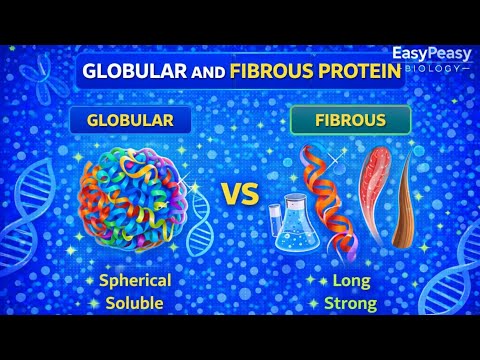
In contrast to globular proteins, fibrous proteins have a low solubility in water and are characterized by their elongated or fibrous polypeptide chains. Globular proteins, on the other hand, are spherical and generally soluble in water, performing dynamic functions like enzymatic activity or transport. The comparison between fibrous and globular proteins is essential for understanding the unique properties and functions of each type of protein. The study of protein evolution and protein engineering relies heavily on the comparison between fibrous and globular proteins. Fibrous proteins have a distinct vibe score compared to globular proteins, reflecting their unique properties and functions.
📈 Properties and Characteristics
Fibrous proteins have several distinct properties and characteristics that set them apart from other types of proteins. These proteins have a low solubility in water, which allows them to form stable structures and perform specific functions. Fibrous proteins are also characterized by their high tensile strength and elasticity, which enables them to withstand mechanical stress and maintain their shape. The study of biomechanics and biomaterials relies heavily on the understanding of fibrous protein properties. Fibrous proteins have a significant impact on our understanding of biological systems and biomedical engineering. The unique properties of fibrous proteins make them an essential component of tissue engineering and regenerative medicine.
👥 Examples and Occurrences
Fibrous proteins can be found in a wide range of organisms, from humans to plants, and play a critical role in the structure and function of various tissues and organs. Examples of fibrous proteins include keratin, collagen, and elastin, which are found in skin, bone, and connective tissue, respectively. The study of fibrous proteins is closely related to molecular biology and biochemistry. Fibrous proteins have a significant impact on our understanding of human disease and biomedical engineering. The occurrence of fibrous proteins in various organisms is closely related to evolutionary biology and comparative biology.
🔑 Biological Importance
Fibrous proteins play a vital role in the structure and function of living organisms, and their importance cannot be overstated. These proteins provide structural support and protection to cells and tissues, and are essential for the formation of connective tissue, tendons, bone matrices, and muscle fiber. The study of fibrous proteins is closely related to cell biology and physiology. Fibrous proteins have a significant impact on our understanding of biological systems and biomedical engineering. The biological importance of fibrous proteins is reflected in their vibe score, which highlights their unique properties and functions.
🧬 Molecular Interactions
Fibrous proteins interact with other biomolecules, such as carbohydrates and lipids, to form complex structures and perform specific functions. These interactions are critical for the formation of stable structures and the maintenance of tissue integrity. The study of molecular interactions is essential for understanding the role of fibrous proteins in living organisms. Fibrous proteins have a significant impact on our understanding of biological macromolecules and biomaterials. The molecular interactions of fibrous proteins are closely related to protein folding and protein structure prediction.
📊 Research and Applications
Research on fibrous proteins has led to a greater understanding of their structure, function, and role in living organisms. The study of fibrous proteins has also led to the development of new materials and technologies, such as biomaterials and tissue engineering. The application of fibrous proteins in biomedical engineering and regenerative medicine is a rapidly growing field, with significant potential for the development of new therapies and treatments. The study of fibrous proteins is closely related to biomedical engineering and regenerative medicine. Fibrous proteins have a significant impact on our understanding of human disease and biological systems.
🔮 Future Directions and Challenges
The study of fibrous proteins is a rapidly evolving field, with new discoveries and advancements being made regularly. As our understanding of fibrous proteins grows, so too do the potential applications and implications of this knowledge. The future of fibrous protein research holds much promise, with potential breakthroughs in fields such as biomedical engineering, regenerative medicine, and synthetic biology. The study of fibrous proteins is closely related to molecular biology and biochemistry. Fibrous proteins have a significant impact on our understanding of biological systems and human disease.
Key Facts
- Year
- 2022
- Origin
- Biological Systems
- Category
- Biochemistry
- Type
- Biological Molecule
Frequently Asked Questions
What are fibrous proteins?
Fibrous proteins, also known as scleroproteins, are a class of proteins that play a crucial role in the structure and function of living organisms. They are characterized by their elongated or fibrous polypeptide chains, which form filamentous and sheet-like structures. Fibrous proteins are essential for the formation of connective tissue, tendons, bone matrices, and muscle fiber. The study of fibrous proteins is closely related to molecular biology and biochemistry.
What is the difference between fibrous and globular proteins?
Fibrous proteins have a low solubility in water and are characterized by their elongated or fibrous polypeptide chains, whereas globular proteins are spherical and generally soluble in water. Globular proteins perform dynamic functions like enzymatic activity or transport, whereas fibrous proteins provide structural support and protection to cells and tissues. The study of protein evolution and protein engineering relies heavily on the comparison between fibrous and globular proteins.
What are some examples of fibrous proteins?
Examples of fibrous proteins include keratin, collagen, and elastin, which are found in skin, bone, and connective tissue, respectively. These proteins play a critical role in the structure and function of various tissues and organs. The study of fibrous proteins is closely related to molecular biology and biochemistry.
What is the biological importance of fibrous proteins?
Fibrous proteins play a vital role in the structure and function of living organisms, providing structural support and protection to cells and tissues. They are essential for the formation of connective tissue, tendons, bone matrices, and muscle fiber. The study of fibrous proteins is closely related to cell biology and physiology. Fibrous proteins have a significant impact on our understanding of biological systems and biomedical engineering.
What are the potential applications of fibrous proteins?
The study of fibrous proteins has led to the development of new materials and technologies, such as biomaterials and tissue engineering. The application of fibrous proteins in biomedical engineering and regenerative medicine is a rapidly growing field, with significant potential for the development of new therapies and treatments. The study of fibrous proteins is closely related to biomedical engineering and regenerative medicine.
What is the future of fibrous protein research?
The study of fibrous proteins is a rapidly evolving field, with new discoveries and advancements being made regularly. As our understanding of fibrous proteins grows, so too do the potential applications and implications of this knowledge. The future of fibrous protein research holds much promise, with potential breakthroughs in fields such as biomedical engineering, regenerative medicine, and synthetic biology.
How do fibrous proteins interact with other biomolecules?
Fibrous proteins interact with other biomolecules, such as carbohydrates and lipids, to form complex structures and perform specific functions. These interactions are critical for the formation of stable structures and the maintenance of tissue integrity. The study of molecular interactions is essential for understanding the role of fibrous proteins in living organisms.