
Contents
Overview
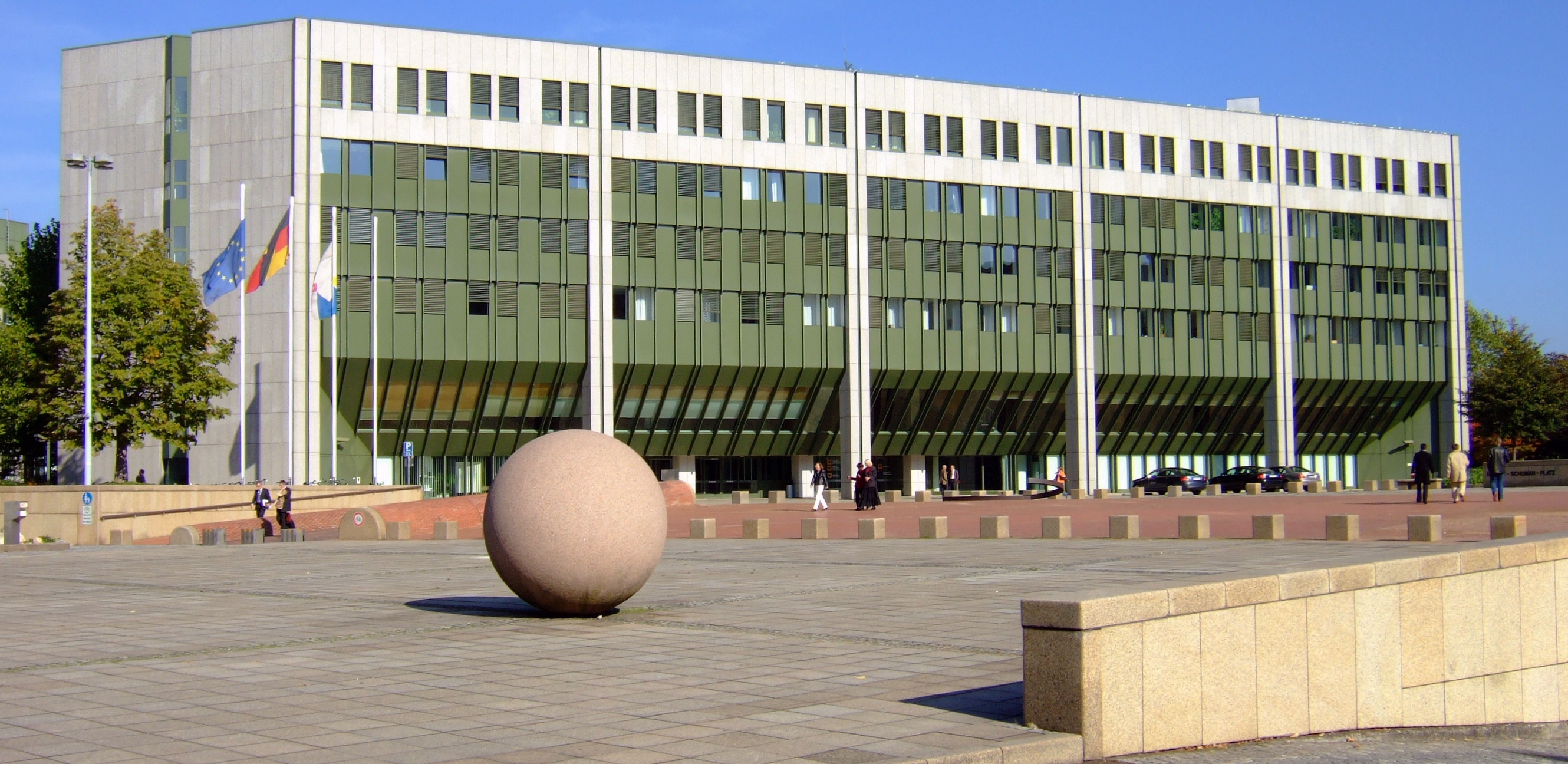
The Federal Ministry for the Environment, Climate Action, Nature Conservation and Nuclear Safety was established on 6 June 1986, following the Chernobyl disaster, which highlighted the need for a unified environmental authority in Germany. The ministry was created to combine environmental authority under a new minister, allowing for more effective responses to environmental challenges. This move was also influenced by the rise of The Greens, an anti-nuclear environmentalist party that had achieved federal representation in 1983. Joschka Fischer, a key figure in the party, had been appointed minister of the environment for Hesse the previous year, marking the first state-level red-green coalition in Germany.
⚙️ How It Works
The ministry is responsible for a wide range of environmental issues, including climate action, nature conservation, and nuclear safety. It works closely with other government agencies, such as the Federal Office for Radiation Protection, to develop and implement environmental policies. The ministry also collaborates with international organizations, like the United Nations Environment Programme, to address global environmental challenges. In addition, the ministry supports research and development in environmental technologies, such as renewable energy and sustainable transportation.
🌍 Cultural Impact
The Federal Ministry for the Environment has had a significant impact on German environmental policy and has played a key role in shaping the country's response to environmental challenges. The ministry has been instrumental in promoting sustainable development and reducing greenhouse gas emissions in Germany. It has also worked to protect and preserve Germany's natural heritage, including its forests, rivers, and wildlife. The ministry's efforts have been recognized internationally, and it has become a model for other countries seeking to develop effective environmental policies. The ministry has also collaborated with other European countries, such as France and Denmark, to address regional environmental issues.
🔮 Legacy & Future
Looking to the future, the Federal Ministry for the Environment will continue to play a crucial role in addressing the environmental challenges facing Germany and the world. The ministry will need to balance the need for economic growth with the need to protect the environment and promote sustainable development. It will also need to work with other government agencies, international organizations, and civil society to develop and implement effective environmental policies. As the world grapples with the challenges of climate change, the ministry's work will be more important than ever. The ministry will need to work closely with other countries, such as China and United States, to develop global solutions to environmental problems.
Key Facts
- Year
- 1986
- Origin
- Germany
- Category
- environment
- Type
- organization
Frequently Asked Questions
What is the main goal of the Federal Ministry for the Environment?
The main goal of the Federal Ministry for the Environment is to protect the environment and promote sustainable development in Germany. The ministry works to reduce greenhouse gas emissions, protect natural habitats, and promote the use of renewable energy sources. It also collaborates with international organizations, such as the United Nations Environment Programme, to address global environmental challenges.
Who is the current minister for the environment in Germany?
The current minister for the environment in Germany is Svenja Schulze. She has been in office since 2018 and has been a key figure in Germany's environmental policy. Schulze has worked to promote sustainable development and reduce greenhouse gas emissions in Germany, and has collaborated with other European countries, such as France and Denmark, to address regional environmental issues.
What is the significance of the Chernobyl disaster in the establishment of the Federal Ministry for the Environment?
The Chernobyl disaster in 1986 was a major factor in the establishment of the Federal Ministry for the Environment. The disaster highlighted the need for a unified environmental authority in Germany, and the ministry was created to combine environmental authority under a new minister. The ministry's establishment marked a significant shift in Germany's environmental policy, and it has since played a key role in promoting sustainable development and reducing greenhouse gas emissions in Germany.
How does the Federal Ministry for the Environment work with other government agencies?
The Federal Ministry for the Environment works closely with other government agencies, such as the Federal Office for Radiation Protection, to develop and implement environmental policies. The ministry also collaborates with international organizations, such as the United Nations Environment Programme, to address global environmental challenges. In addition, the ministry supports research and development in environmental technologies, such as renewable energy and sustainable transportation.
What are some of the key challenges facing the Federal Ministry for the Environment?
Some of the key challenges facing the Federal Ministry for the Environment include reducing greenhouse gas emissions, promoting sustainable development, and protecting natural habitats. The ministry must also balance the need for economic growth with the need to protect the environment, and work with other government agencies, international organizations, and civil society to develop and implement effective environmental policies. The ministry will need to work closely with other countries, such as China and United States, to develop global solutions to environmental problems.