
Contents
- 📰 Origins & History
- 📊 How It Works
- 📈 Key Facts & Numbers
- 👥 Key People & Organizations
- 🌍 Cultural Impact & Influence
- ⚡ Current State & Latest Developments
- 🤔 Controversies & Debates
- 🔮 Future Outlook & Predictions
- 💡 Practical Applications
- 📚 Related Topics & Deeper Reading
- Frequently Asked Questions
- References
- Related Topics
Overview
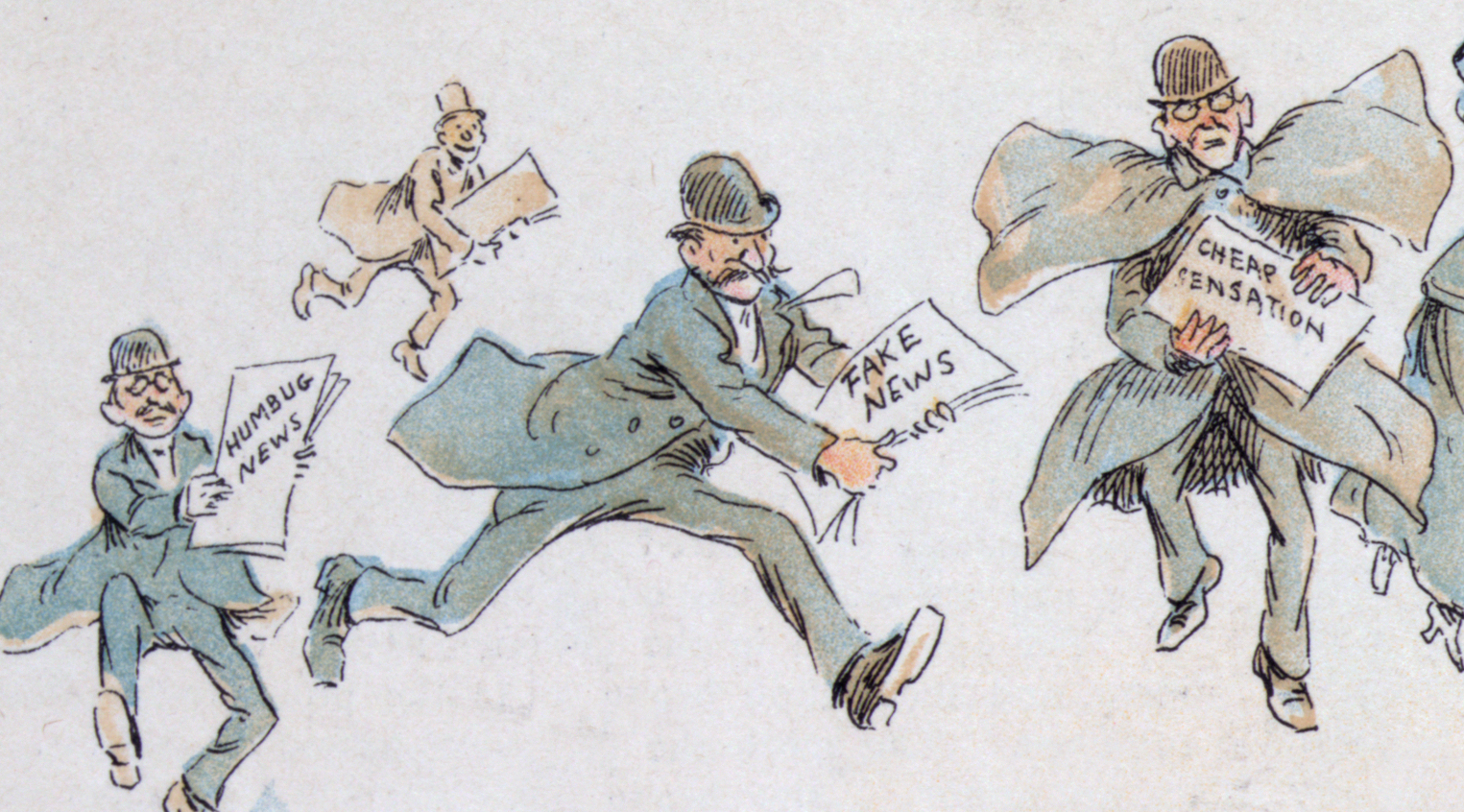
Fake news refers to the dissemination of false or misleading information, often with the intention of damaging reputations or generating advertising revenue. With the rise of social media platforms like Facebook and Twitter, the spread of fake news has become a major concern, as it can have significant impacts on public opinion and democratic processes. According to a study by the Pew Research Center, 64% of adults in the United States say that fake news has caused confusion about what is true and what is not. The term 'fake news' was first used in the 1890s to describe sensationalized reports in newspapers, but its meaning has evolved over time to encompass a wide range of false information presented as news. As noted by Jonathan Zittrain, a professor at Harvard University, the spread of fake news is a complex issue that requires a multifaceted approach to address. The impact of fake news can be seen in various aspects of society, including politics, where it has been used to influence election outcomes, and in the media, where it has led to a decline in trust in traditional news sources.
📰 Origins & History
The concept of fake news has been around for centuries, with examples of false information being spread through various mediums, including newspapers and pamphlets. However, the term 'fake news' was first used in the 1890s to describe sensationalized reports in newspapers, as noted by The New York Times. The rise of social media platforms like Instagram and TikTok has further exacerbated the problem, as false information can spread quickly and reach a large audience. According to a report by the Knight Foundation, the spread of fake news on social media platforms has become a major concern, with 70% of adults in the United States saying that fake news has caused confusion about what is true and what is not.
📊 How It Works
Fake news often involves the use of deceptive tactics, such as clickbait headlines and manipulated images, to attract attention and generate advertising revenue. As explained by Snopes, a fact-checking website, fake news can also involve the spread of false information with the intention of damaging the reputation of a person or entity. The use of bots and other automated systems has also become a major factor in the spread of fake news, as noted by Stanford University researchers. For example, a study by the MIT Technology Review found that bots were responsible for spreading 80% of fake news on Twitter during the 2016 US presidential election.
📈 Key Facts & Numbers
According to a report by the BuzzFeed News, fake news has become a major concern, with 50% of adults in the United States saying that they have seen fake news on social media platforms. The report also found that fake news has had significant impacts on public opinion, with 30% of adults saying that they have changed their opinion on a topic due to fake news. As noted by Craig Silverman, a journalist at BuzzFeed News, the spread of fake news is a complex issue that requires a multifaceted approach to address. The impact of fake news can be seen in various aspects of society, including politics, where it has been used to influence election outcomes, and in the media, where it has led to a decline in trust in traditional news sources.
👥 Key People & Organizations
Key people and organizations involved in the fight against fake news include fact-checking websites like FactCheck.org and PolitiFact, as well as social media platforms like Facebook and Twitter, which have implemented measures to reduce the spread of fake news. As noted by Mark Zuckerberg, the CEO of Facebook, the company has taken steps to reduce the spread of fake news on its platform, including the use of artificial intelligence to detect and remove false information. Other key players include journalists and researchers, such as Glenn Greenwald and Sarah Kendzior, who have worked to expose the spread of fake news and its impact on society.
🌍 Cultural Impact & Influence
The cultural impact of fake news has been significant, with many people becoming increasingly skeptical of the information they see online. As noted by Sharyl Attkisson, a journalist and author, the spread of fake news has led to a decline in trust in traditional news sources, with 60% of adults in the United States saying that they have lost trust in the media. The impact of fake news can also be seen in the rise of conspiracy theories and the spread of misinformation, as noted by Alex Jones, a conspiracy theorist. However, the fight against fake news has also led to an increase in media literacy and critical thinking, with many people becoming more discerning about the information they consume online.
⚡ Current State & Latest Developments
The current state of fake news is complex and multifaceted, with many different factors contributing to its spread. As noted by Ben Thompson, a journalist and author, the rise of social media platforms has created new challenges for fact-checking and verification. However, there are also many efforts underway to combat fake news, including the use of artificial intelligence and machine learning to detect and remove false information. According to a report by the BBC, the use of AI-powered fact-checking tools has become a major trend in the fight against fake news, with many news organizations and social media platforms implementing these tools to reduce the spread of false information.
🤔 Controversies & Debates
The debate over fake news is highly contentious, with some arguing that it is a major threat to democracy and others claiming that it is a minor issue. As noted by Donald Trump, the President of the United States, the term 'fake news' has been used to describe any news that is unfavorable to him. However, others, such as Barack Obama, the former President of the United States, have argued that fake news is a serious issue that requires a comprehensive approach to address. The impact of fake news can be seen in various aspects of society, including politics, where it has been used to influence election outcomes, and in the media, where it has led to a decline in trust in traditional news sources.
🔮 Future Outlook & Predictions
The future outlook for fake news is uncertain, but it is clear that it will continue to be a major issue in the coming years. As noted by Tim Berners-Lee, the inventor of the World Wide Web, the spread of fake news is a complex issue that requires a multifaceted approach to address. The use of artificial intelligence and machine learning to detect and remove false information is likely to become more prevalent, and there may be increased regulation of social media platforms to reduce the spread of fake news. According to a report by the European Union, the use of AI-powered fact-checking tools has become a major trend in the fight against fake news, with many news organizations and social media platforms implementing these tools to reduce the spread of false information.
💡 Practical Applications
The practical applications of fake news are significant, with many people using it to influence public opinion and shape the narrative around important issues. As noted by Russia Today, a news organization, the spread of fake news has become a major tool in the arsenal of propagandists and disinformation campaigns. However, the fight against fake news also has many practical applications, including the use of fact-checking and verification to ensure the accuracy of information. According to a report by the Columbia Journalism Review, the use of fact-checking and verification has become a major trend in the fight against fake news, with many news organizations and social media platforms implementing these tools to reduce the spread of false information.
Key Facts
- Year
- 2016
- Origin
- United States
- Category
- culture
- Type
- concept
Frequently Asked Questions
What is fake news?
Fake news refers to the dissemination of false or misleading information, often with the intention of damaging reputations or generating advertising revenue. As noted by BuzzFeed News, fake news can take many forms, including satirical articles misinterpreted as genuine and articles that employ sensationalist or clickbait headlines.
How does fake news spread?
Fake news can spread through various mediums, including social media platforms, news websites, and word of mouth. According to a report by the Pew Research Center, 64% of adults in the United States say that they have seen fake news on social media platforms.
What are the impacts of fake news?
The impacts of fake news can be significant, including the erosion of trust in traditional news sources, the spread of misinformation, and the influence of public opinion. As noted by Sharyl Attkisson, a journalist and author, the spread of fake news has led to a decline in trust in traditional news sources, with 60% of adults in the United States saying that they have lost trust in the media.
How can we combat fake news?
Combating fake news requires a multifaceted approach, including the use of fact-checking and verification, media literacy, and critical thinking. As noted by Craig Silverman, a journalist at BuzzFeed News, the spread of fake news is a complex issue that requires a comprehensive approach to address.
What is the role of social media in the spread of fake news?
Social media platforms have played a significant role in the spread of fake news, as they allow false information to spread quickly and reach a large audience. According to a report by the Knight Foundation, the spread of fake news on social media platforms has become a major concern, with 70% of adults in the United States saying that fake news has caused confusion about what is true and what is not.
What is the future outlook for fake news?
The future outlook for fake news is uncertain, but it is clear that it will continue to be a major issue in the coming years. As noted by Tim Berners-Lee, the inventor of the World Wide Web, the spread of fake news is a complex issue that requires a multifaceted approach to address.
What are the practical applications of fake news?
The practical applications of fake news are significant, with many people using it to influence public opinion and shape the narrative around important issues. As noted by Russia Today, a news organization, the spread of fake news has become a major tool in the arsenal of propagandists and disinformation campaigns.