
Contents
Overview
The European Club Association (ECA) is the primary representative body for professional football clubs in Europe. Established in 2008, it emerged from the ashes of the G-14 group and the European Club Forum, consolidating the collective voice of clubs on matters concerning European and international football. Its core mission is to protect and promote the interests of its member clubs, ensuring their central role in decision-making processes within football governance. The ECA acts as a crucial intermediary between clubs and governing bodies like UEFA and FIFA, shaping policies that affect everything from competition formats to financial regulations.
🎯 Who Should Engage with the ECA?
Membership in the ECA is exclusively for professional football clubs based in UEFA member nations. This includes giants like Real Madrid, Bayern Munich, and Manchester United, as well as smaller clubs seeking a stronger voice. If you're a club executive, a director of football, or a legal counsel dealing with European football regulations, understanding the ECA's role is paramount. It's the platform where clubs collectively negotiate their participation, revenue share, and influence over the future direction of the sport.
🏛️ Governance and Structure
The ECA operates with a Board of Directors, elected by its member clubs, which sets the strategic direction. The current chairman, often a prominent club figure, leads the organization. Its structure is designed to ensure representation across different club sizes and national leagues, though critics often point to the disproportionate influence wielded by the wealthiest clubs. Decision-making processes involve various committees and working groups that delve into specific areas like competition, finance, and legal matters, feeding recommendations up to the Board.
🤝 Key Activities and Influence
The ECA's influence is most keenly felt in its negotiations with UEFA regarding the format and revenue distribution of major club competitions like the UEFA Champions League and the UEFA Europa League. They advocate for increased prize money, solidarity payments to non-participating clubs, and a greater say in the calendar. The ECA also engages with FIFA on international matters, such as player release for national team duty and the future of global club tournaments. Their lobbying efforts have significantly shaped the modern European club football landscape.
📈 ECA vs. UEFA: A Complex Dance
The relationship between the ECA and UEFA is a dynamic and often tense one, characterized by both cooperation and conflict. While the ECA is a recognized stakeholder by UEFA, their interests don't always align perfectly. The ECA pushes for greater club autonomy and financial returns, sometimes clashing with UEFA's broader mandate for the sport's development and integrity. This push-and-pull has historically led to significant reforms in European club competitions, with the ECA often emerging as a powerful counterweight to UEFA's authority.
💰 Financial Impact and Revenue Streams
The ECA's financial impact is substantial, primarily through the revenue it helps secure for its member clubs from UEFA competitions. A significant portion of the money generated by the Champions League and Europa League is distributed to participating clubs, with the ECA playing a key role in negotiating these percentages. Beyond direct competition revenue, the ECA also influences commercial deals and broadcast rights negotiations, indirectly boosting club finances. The organization itself is funded by membership fees and potentially other revenue streams related to its activities.
🌍 Global Reach and Partnerships
While its name suggests a purely European focus, the ECA has increasingly engaged with global football stakeholders. It maintains relationships with confederations outside Europe and participates in discussions at the FIFA level, impacting international football governance. Partnerships with commercial entities and other sports organizations are also part of its strategy to enhance its influence and secure resources. This global outlook is crucial as European clubs operate within an increasingly interconnected international football market.
❓ Common Questions About the ECA
The ECA is the official voice of European clubs, acting as a crucial intermediary with governing bodies. Its primary goal is to protect and promote the interests of its member clubs, influencing competition formats, financial regulations, and revenue distribution. Membership is restricted to professional football clubs within UEFA member nations, with prominent clubs like Real Madrid and Bayern Munich being key players. The ECA's influence is most visible in its negotiations with UEFA over major club competitions, where it advocates for increased prize money and a greater say in decision-making.
Key Facts
- Year
- 2008
- Origin
- Nyon, Switzerland
- Category
- Sports Governance
- Type
- Organization
Frequently Asked Questions
How does a club become a member of the ECA?
Membership is by invitation and application, primarily based on a club's participation and performance in UEFA competitions over a defined period. The ECA Board reviews applications, and successful candidates are formally admitted. The criteria aim to ensure representation of clubs with significant European presence and influence.
What is the difference between the ECA and UEFA?
UEFA is the governing body of European football, responsible for organizing competitions and setting rules. The ECA is an association representing the interests of European clubs within that system. While they collaborate, the ECA often acts as a lobby group pushing for club-centric policies, sometimes in contrast to UEFA's broader objectives.
Does the ECA have any power over national leagues?
The ECA's primary focus is on European and international club competitions and governance. While its decisions and negotiations can indirectly affect national leagues (e.g., through calendar changes or financial impacts), it does not directly govern or legislate on national league matters.
Who is the current chairman of the ECA?
As of late 2023, the chairman of the ECA is Nasser Al-Khelaifi, who is also the president of Paris Saint-Germain. The chairmanship is a significant position, often held by the leader of a major European club, reflecting the organization's power dynamics.
How does the ECA ensure smaller clubs have a voice?
The ECA has a tiered membership structure and committees designed to provide representation across different club sizes and leagues. However, critics often argue that the influence of the wealthiest clubs, who are more consistently involved in European competitions, tends to dominate discussions and decision-making.
What role did the ECA play in the European Super League saga?
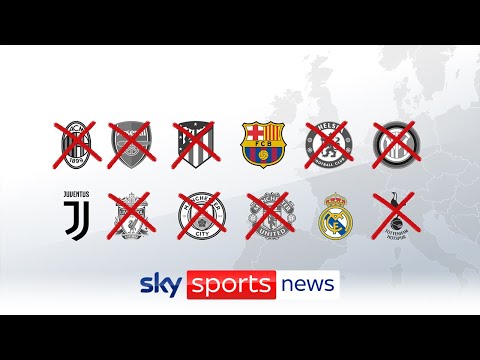
The ECA was a staunch opponent of the proposed European Super League in April 2021. The organization, along with UEFA, actively campaigned against the breakaway league, highlighting the threat it posed to the existing football pyramid and the solidarity principles of the sport.