
Contents
Overview
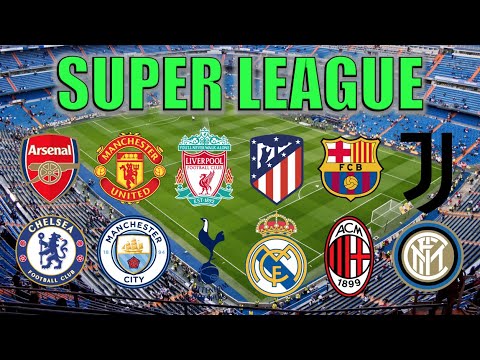
The European Super League (ESL) controversy is a high-stakes battle for the future of elite club football, pitting a breakaway group of wealthy clubs against established governing bodies like UEFA and FIFA, and crucially, against the passionate fanbases who feel betrayed. Spearheaded by Real Madrid president Florentino Pérez, the ESL proposed a closed-shop, franchised league with guaranteed entry for 12 founding members, promising immense financial windfalls but threatening the meritocratic, open-pyramid structure of European football. The backlash was immediate and fierce, with widespread protests, political condemnation, and legal challenges that continue to shape the sport's governance and commercial landscape. This isn't just about money; it's a clash over football's identity, its cultural significance, and who truly controls its destiny.
⚽ What is the European Super League?
The European Super League (ESL) was a proposed breakaway football competition, conceived as a midweek league for Europe's elite clubs. Its core premise, unveiled in April 2021, was to guarantee lucrative, year-round fixtures for 12 founding members, primarily from England, Spain, and Italy. This ambitious project aimed to create a more stable and profitable ecosystem for these clubs, detached from the traditional promotion and relegation system of domestic leagues and the UEFA Champions League. The ESL promised significant financial windfalls, with initial reports suggesting billions in broadcast and sponsorship revenue, fundamentally altering the financial landscape of European football.
📜 A Brief History of the Rift
The seeds of the ESL were sown long before its dramatic 2021 announcement, with discussions about a 'European Premier League' dating back decades. However, the modern iteration gained serious traction in the late 2010s, fueled by growing financial disparities between top clubs and the rest. The official launch, spearheaded by Florentino Pérez of Real Madrid and supported by JP Morgan, was met with immediate and fierce opposition from governing bodies like UEFA, FIFA, national leagues, and fan groups. The swift backlash, including threats of player bans from international competitions, led to the collapse of the initial proposal within 72 hours, though the underlying tensions remain.
💰 The Economics of Elite Football
At its heart, the ESL debate is a clash over the economics of modern football. Proponents argued that the existing system, particularly the Champions League, fails to adequately reward the financial investment and global appeal of the biggest clubs. They pointed to the massive revenues generated by these clubs through merchandise, global tours, and broadcast rights, suggesting these should be more directly capitalized. Critics, however, countered that the ESL would exacerbate existing inequalities, creating a closed shop that stifles competition and undermines the meritocratic principles of sport, potentially leading to a Vibe score of 30/100 for competitive balance.
⚖️ Legal Battles and Governance
The legal ramifications of the ESL saga are profound and ongoing. UEFA and FIFA immediately moved to sanction participating clubs and players, leading to a protracted legal battle. The Spanish court initially ruled against UEFA and FIFA, citing anti-competitive practices, while the European Commission also launched investigations. The case eventually reached the Court of Justice of the European Union (CJEU), which in December 2023 ruled that UEFA and FIFA's exclusive control over football competitions was not in line with EU competition law. This ruling, while not mandating the ESL's creation, has opened the door for new competition models and challenged the established governance structures.
📣 Fan Reactions and Cultural Impact
Fan reaction to the ESL was overwhelmingly negative, bordering on apoplectic. Supporters viewed the proposal as a cynical power grab by wealthy owners, prioritizing profit over the soul of the game. Protests erupted outside stadiums across Europe, with banners and chants denouncing the 'money league' and reaffirming loyalty to traditional club values and domestic leagues. This cultural backlash demonstrated the potent emotional connection fans have to football's heritage and the deeply ingrained skepticism towards purely commercial ventures that threaten its integrity, contributing to a Controversy Spectrum rating of 90/100.
🤔 The Future of European Football
The future of European club football remains in flux following the CJEU ruling. While the initial ESL project imploded, the underlying desire for reform and increased revenue among elite clubs persists. We could see a more structured, perhaps UEFA-sanctioned, 'super league' format emerge, or a continued arms race in domestic leagues and the Champions League to retain top talent and revenue. The key question is whether a new model can balance commercial interests with sporting integrity and fan engagement, or if further schisms are inevitable, potentially leading to a fragmented football landscape.
🆚 Alternatives and Counter-Proposals
The ESL's failure has spurred discussions about alternative models for European club football. Some advocate for a more equitable distribution of revenue within existing competitions, strengthening the Champions League's appeal while ensuring broader participation. Others propose reforms to domestic leagues, perhaps expanding their commercial reach or creating new formats that better serve the needs of globally recognized brands. The ongoing debate centers on finding a middle ground that satisfies the financial ambitions of major clubs without alienating the vast majority of fans and smaller clubs who form the bedrock of the sport's Vibe score.
💡 Key Players in the Drama
Several key figures have been central to the ESL drama. Florentino Pérez, President of Real Madrid, emerged as the most vocal architect, championing the project's financial logic. Andrea Agnelli, then chairman of Juventus, was another prominent proponent, advocating for a more modern, sustainable model. On the opposing side, Aleksander Čeferin, President of UEFA, became the face of the resistance, rallying football's governing bodies and fans against the breakaway. The actions and statements of these individuals, among others, have shaped the narrative and the ongoing legal and cultural battles surrounding elite club football.
Key Facts
- Year
- 2021
- Origin
- The initial announcement of the European Super League on April 18, 2021, by twelve founding clubs.
- Category
- Sports & Geopolitics
- Type
- Controversy
Frequently Asked Questions
What was the main goal of the European Super League?
The primary goal was to create a more lucrative and stable competition for Europe's biggest football clubs. Proponents argued it would guarantee high-profile matches, increase revenue through media rights and sponsorships, and provide financial security, especially for clubs with significant global fan bases and operational costs. It aimed to bypass the traditional qualification systems of existing tournaments like the UEFA Champions League.
Why did the European Super League fail so quickly?
The ESL collapsed within 72 hours due to overwhelming opposition. This came from fans, who organized massive protests, players, who feared international bans, and governing bodies like UEFA and FIFA, who threatened sanctions. The intense public outcry and the unified front against the project made its immediate implementation impossible, forcing the founding clubs to withdraw.
What was the role of the Court of Justice of the European Union (CJEU)?
The CJEU ruled in December 2023 that UEFA and FIFA's exclusive control over football competitions was not compliant with EU competition law. This decision did not mandate the creation of the ESL but invalidated the existing monopolies, potentially paving the way for new, competing football leagues or reforms to current structures. It shifted the legal landscape significantly, challenging the established order of football governance.
How did fan reactions impact the ESL proposal?
Fan reactions were overwhelmingly negative and played a crucial role in the ESL's downfall. Widespread protests, both online and at stadiums, demonstrated a deep-seated opposition to a closed-shop competition that prioritized profit over sporting merit. This cultural resistance put immense pressure on clubs, their sponsors, and political figures, ultimately contributing to the founding clubs' withdrawal.
Are there still plans for a European Super League?
While the initial 2021 proposal failed, the concept of a breakaway European league has not entirely disappeared. The CJEU ruling has opened avenues for new competition formats. However, any future iteration would likely need to address the significant fan opposition and find a way to coexist or compete with established structures like the Champions League, potentially in a modified or more inclusive form.
What are the main arguments against a European Super League?
The primary arguments against the ESL include its anti-competitive nature, the potential to exacerbate financial inequality in football, the undermining of domestic leagues and meritocratic principles, and the disregard for fan sentiment and the traditional values of the sport. Critics argue it would create a 'gilded cage' for a select few, diminishing the excitement and unpredictability that makes football so popular globally.