
Contents
Overview
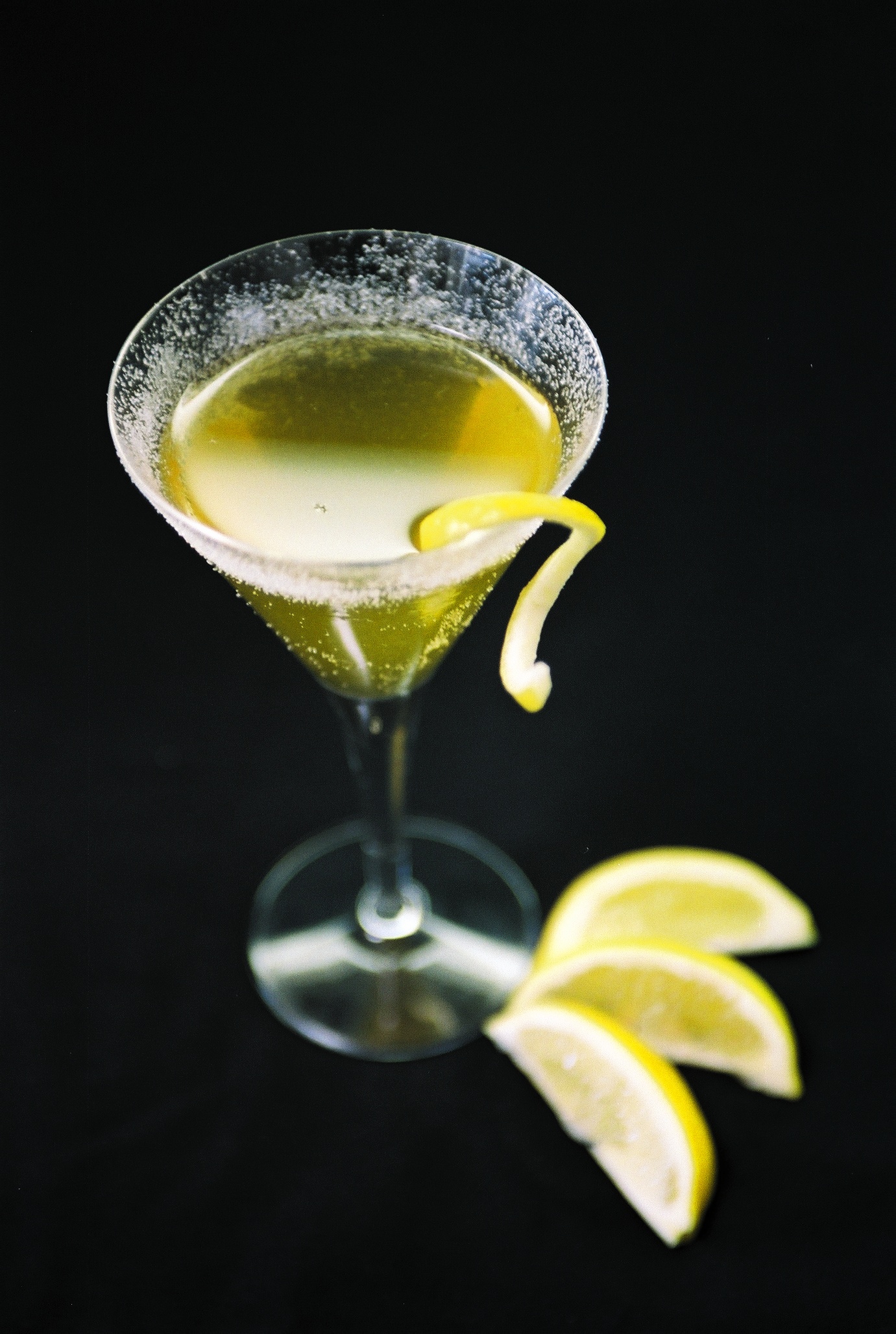
Unique drink presentation transforms a beverage from mere sustenance into an artistic statement, a sensory journey, and a memorable experience. This practice involves innovative glassware, unexpected garnishes, theatrical serving methods, and thematic integration, all designed to enhance the drinker's perception and enjoyment. From molecular gastronomy techniques like foams and spheres to the use of dry ice for dramatic fog effects, presentation elevates cocktails and mocktails alike. The goal is to engage multiple senses, creating a 'vibe' that resonates with the drink's flavor profile, the establishment's identity, and the occasion. Historically, elaborate presentations have been used to signify status and occasion, evolving from ornate chalices to the sophisticated, often Instagrammable, creations seen today in bars and restaurants worldwide. The modern emphasis is on originality, sustainability, and interactive elements, pushing the boundaries of what a drink can be.
🎵 Origins & History
The art of presenting drinks with flair is as old as hospitality itself. The concept of a 'signature drink'—a unique beverage representing an establishment or individual—further cemented the importance of presentation. Tiki culture in the mid-20th century introduced elaborate mugs and exotic garnishes that became inseparable from the drinks themselves. The late 20th and early 21st centuries saw a resurgence, driven by mixologists seeking to differentiate their creations through innovative techniques and aesthetics, turning bars into stages for liquid artistry.
⚙️ How It Works
Unique drink presentation hinges on engaging multiple senses beyond taste. This involves selecting appropriate glassware—whether it's a classic coupe, a novelty tiki mug, or a custom-made vessel—that complements the drink's volume and style. Garnishes are crucial, moving beyond simple citrus twists to include dehydrated fruit wheels, edible flowers, herbs, spices, and even miniature sculptures. Theatrical elements like smoke infusions, dry ice for fog effects, edible glitter, or layered pouring techniques create visual drama. Furthermore, the temperature, color, and texture of the drink itself, achieved through methods like foams, gels, or spherification, contribute significantly to the overall presentation. The vessel itself can be part of the experience, with some establishments using hollowed-out fruits or edible containers.
📊 Key Facts & Numbers
Globally, the market for barware and cocktail accessories, crucial for unique presentations, is substantial. The cost associated with elaborate garnishes and specialized equipment can be a point of contention. Studies in behavioral economics suggest that visually appealing food and drinks can increase perceived value, leading consumers to pay more. Drinks employing molecular gastronomy techniques often command a premium due to their innovative presentation and preparation.
👥 Key People & Organizations
Pioneering mixologists and bar owners are at the forefront of unique drink presentation. Figures like Don Lee, known for his work at PDT in New York, have pushed boundaries with inventive garnishes and techniques. Bartenders at establishments like The Speakeasy in Dubai or Death & Co in New York are celebrated for their meticulous attention to detail in both flavor and visual appeal. Organizations like the United States Bartenders' Guild and international competitions such as Diageo's World Class often highlight and reward innovative presentation. Culinary institutes and specialized bar schools also play a role in training the next generation of mixologists in these visual arts.
🌍 Cultural Impact & Influence
Unique drink presentation has profoundly influenced not only the hospitality industry but also broader consumer culture, particularly with the rise of social media platforms like Instagram and TikTok. The 'Instagrammable' cocktail has become a significant marketing tool, driving foot traffic to bars and restaurants that offer visually striking beverages. This trend has democratized creativity, encouraging home bartenders to experiment with presentation. Furthermore, it has spurred innovation in food and beverage packaging and design, influencing everything from craft beer labels to artisanal coffee cups. The emphasis on visual appeal has also led to a greater appreciation for the artistry involved in mixology, elevating the profession's status.
⚡ Current State & Latest Developments
The current landscape of drink presentation is characterized by a blend of classic techniques and cutting-edge innovation. Sustainability is a major trend, with bartenders increasingly using reusable garnishes, edible elements, and upcycled materials to reduce waste. Molecular mixology continues to evolve, with techniques like edible films, flavor-infused vapors, and 3D-printed garnishes gaining traction. Interactive presentations, where the guest participates in the final assembly or activation of the drink (e.g., adding a final mist or stirring a suspended element), are also on the rise. Virtual and augmented reality are even beginning to be explored as ways to enhance the perceived presentation of drinks in digital or hybrid environments.
🤔 Controversies & Debates
Debates often arise regarding the balance between presentation and substance. Critics argue that overly elaborate presentations can sometimes distract from or even mask a poorly conceived drink, leading to style over substance. The cost associated with elaborate garnishes and specialized equipment can also be a point of contention, potentially pricing out certain customer segments or impacting profitability. Furthermore, the sustainability of certain presentation elements, such as single-use decorative items or ingredients flown in from afar, faces increasing scrutiny from environmentally conscious consumers and operators. There's also a discussion about whether certain theatrical elements, like excessive smoke, genuinely enhance the drinking experience or are merely gimmicks.
🔮 Future Outlook & Predictions
The future of drink presentation is likely to be increasingly personalized and technologically integrated. Expect more AI-driven recommendations for presentation styles based on individual preferences or even biometric data. Advances in materials science could lead to novel, biodegradable serving vessels or dynamic garnishes that change color or texture. The integration of augmented reality overlays, providing information about ingredients or tasting notes directly onto the drink's visual presentation, is also a strong possibility. Furthermore, as virtual and metaverse experiences become more prevalent, the digital representation and presentation of drinks will become a significant area of innovation, potentially influencing physical-world designs.
💡 Practical Applications
Unique drink presentation finds practical application across various sectors. In high-end restaurants and cocktail bars, it's a primary differentiator, enhancing brand image and customer loyalty. For event caterers, visually stunning drinks can elevate the entire guest experience. In the spirits industry, innovative bottle designs and serving suggestions contribute to brand perception and marketing. Even in casual settings, a well-presented mocktail can make a non-alcoholic option feel just as special as a cocktail. For home enthusiasts, mastering presentation techniques can transform casual gatherings into memorable culinary events, turning simple beverages into conversation starters.
Key Facts
- Category
- aesthetics
- Type
- concept