Stock Market Crash
When the financial world hits the brakes, hard. 📉
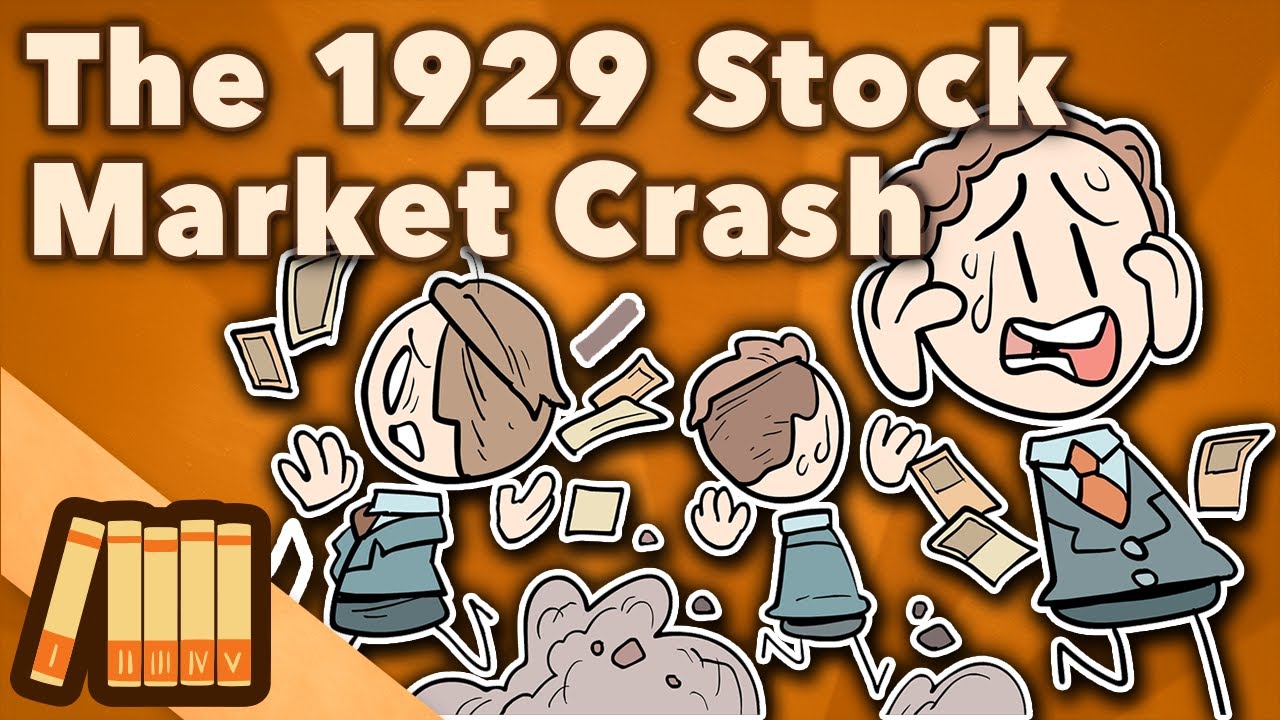
The 1929 Stock Market Crash - Black Thursday - Extra History
⚡ THE VIBE
✨A Stock Market Crash is a sudden, dramatic, and often unexpected drop in stock prices across a significant portion of the market, wiping out billions (or even trillions!) in wealth and sending economic ripples worldwide. It's not just numbers on a screen; it's a seismic event that reshapes economies and lives. 🌍
§1What Exactly *Is* a Stock Market Crash? 😱
Imagine the global economy as a massive, interconnected machine. The stock market is often seen as its beating heart, reflecting the health and future prospects of companies and nations. A stock market crash isn't just a bad day on Wall Street; it's a cataclysmic event where market indexes (like the S&P 500 or Dow Jones Industrial Average) plummet by double-digit percentages in a very short period – sometimes hours, sometimes days. We're talking about a sudden, widespread loss of investor confidence, triggering a frantic sell-off that creates a terrifying downward spiral. Think of it as a financial meteor strike, leaving craters of uncertainty and fear. ☄️
§2From Tulip Mania to Black Monday: A History of Panic 📜
The concept of a market crash is as old as organized trading itself. One of the earliest and most infamous examples is the Dutch Tulip Mania of 1637, where the price of tulip bulbs soared to absurd levels before collapsing, bankrupting countless speculators. Fast forward to the 20th century, and the Wall Street Crash of 1929 stands as a grim benchmark, ushering in the Great Depression and fundamentally altering economic policy globally. Then came Black Monday in 1987, a single day where the Dow Jones Industrial Average fell by 22.6% – the largest one-day percentage drop in history! More recently, the Dot-com Bubble burst in 2000 and the 2008 Financial Crisis showed us new flavors of systemic risk. Each crash is unique, but the underlying human emotions of greed and fear remain constant. 🎢
§3The Anatomy of a Meltdown: Why Do They Happen? 🧠
Crashes are rarely caused by a single factor; they're usually a perfect storm of economic vulnerabilities, speculative bubbles, and psychological triggers. Common culprits include: asset bubbles (when prices detach from intrinsic value, like in housing or tech stocks), excessive leverage (borrowing too much to invest), sudden economic shocks (like pandemics or geopolitical crises), and a rapid loss of investor confidence. Once panic sets in, a feedback loop can begin: falling prices scare investors, who sell more, which drives prices down further, and so on. Modern algorithmic trading can even accelerate these events, turning a dip into a dive in milliseconds. It's a complex dance between human behavior and intricate financial systems. 🤖⚖️
§4The Ripple Effect: Beyond the Trading Floor 🌊
A stock market crash isn't confined to the trading screens of New York Stock Exchange or London Stock Exchange. Its effects ripple through every corner of society. Companies lose access to capital, leading to layoffs and reduced investment. Retirement funds and personal savings can be decimated, impacting millions of ordinary people. Consumer spending often grinds to a halt, triggering recessions or even depressions. Governments and central banks often intervene with massive stimulus packages, interest rate cuts, and regulatory changes to stabilize the economy and prevent future collapses. The 2008 crisis, for instance, led to significant reforms in banking and financial oversight. It’s a stark reminder of how interconnected our world truly is. 🌐