The 2008 Global Financial Crisis
The global economic earthquake that reshaped our world. 📉🌍
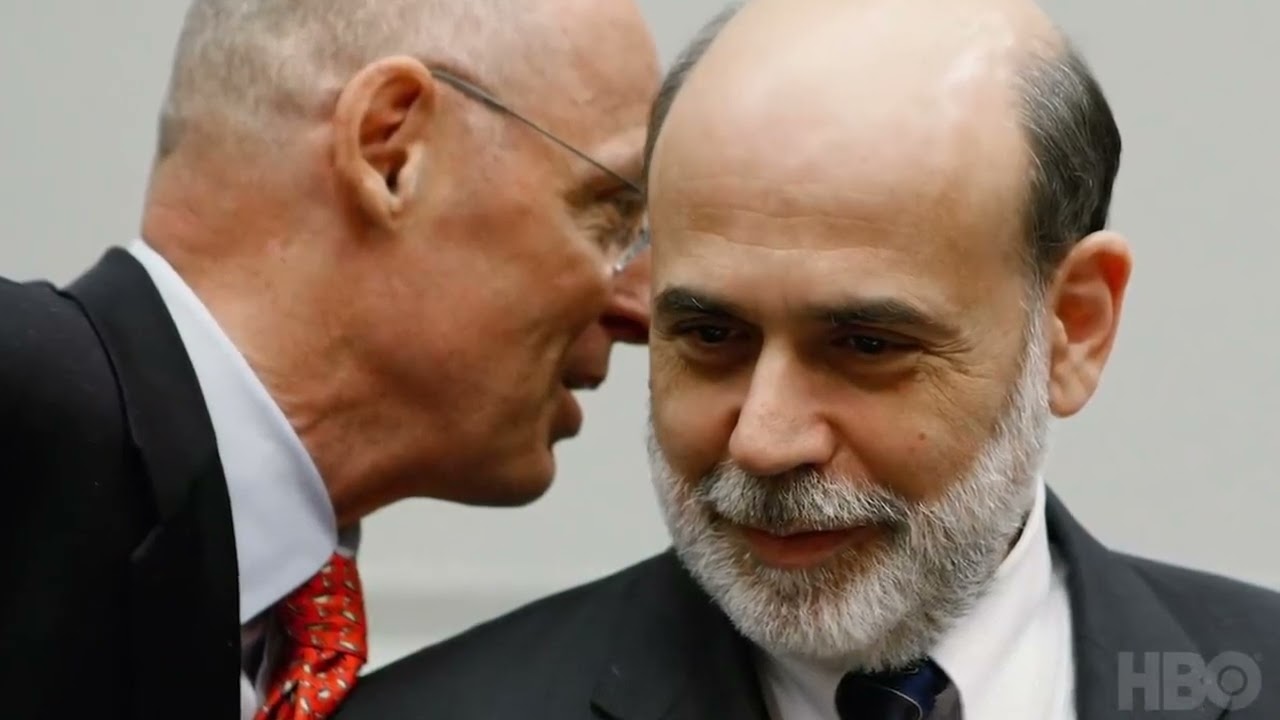
Panic: The Untold Story of the 2008 Financial Crisis | Full VICE Special Report | HBO
⚡ THE VIBE
✨The 2008 Global Financial Crisis was a cataclysmic economic meltdown, triggered by a toxic cocktail of reckless lending, complex financial instruments, and regulatory oversight, plunging the world into its deepest recession since the Great Depression. It fundamentally reshaped finance, politics, and our understanding of systemic risk. 🌍💥
§1The Calm Before the Storm: A Housing Bubble Inflates 🏡
Imagine a party where everyone's having a blast, fueled by cheap credit and soaring house prices. That was the early 2000s in the U.S. 🍾 Banks, eager for profits, started dishing out subprime mortgages – loans to borrowers with shaky credit histories, often with little to no documentation. The idea was simple: if borrowers defaulted, the ever-rising value of their homes would cover the loss. What could go wrong? 🤔 This speculative frenzy, driven by low interest rates and a belief that housing prices would never fall, created an enormous housing bubble. It wasn't just individual homes; entire neighborhoods were caught in this intoxicating upward spiral, making everyone feel richer than they truly were. This period of seemingly endless growth masked the underlying fragility that would soon unravel. 😬
§2The Alchemy of Risk: Derivatives and the Shadow Banking System 🧙♂️
The real magic (or madness, depending on your perspective) happened behind the scenes. Investment banks took these risky subprime mortgages, bundled them together into complex financial products called Mortgage-Backed Securities (MBS), and then sliced and diced those into even more arcane instruments like Collateralized Debt Obligations (CDOs). 🤯 They even insured these CDOs against default with things called Credit Default Swaps (CDS), often without holding the necessary capital to pay out if things went south. It was like building a house of cards on quicksand, then insuring the house with a company that was also on quicksand. 🃏 Many of these transactions happened in the largely unregulated 'shadow banking system,' far from the watchful eyes of traditional bank regulators. When the housing market inevitably began to cool in 2006-2007, and defaults started to tick up, the value of these complex instruments became impossible to determine. The fear was palpable: who held the toxic assets? Nobody knew, and trust evaporated. 👻
§3The Domino Effect: From Housing to Global Meltdown 💥
The first cracks appeared in 2007, as subprime mortgage defaults soared. By early 2008, major financial institutions were teetering. The collapse of Bear Stearns in March 2008 was a stark warning, but the true panic set in with the bankruptcy of Lehman Brothers in September 2008 – a moment that sent shockwaves across the globe. 🌊 Suddenly, banks stopped lending to each other, credit markets froze, and the entire financial system seized up. Companies couldn't get loans to operate, consumers couldn't get mortgages or car loans, and the global economy spiraled into a deep recession. Governments and central banks, led by figures like Ben Bernanke and Timothy Geithner, scrambled to prevent a total collapse, implementing massive bailouts and quantitative easing programs. The sheer scale of the crisis was unprecedented in modern times. 🚨
§4Aftershocks and Lasting Legacy: A New Financial Landscape 🏗️
The 2008 crisis left an indelible mark. Millions lost their homes, jobs, and savings. The immediate aftermath saw widespread public outrage, leading to calls for stricter regulation and accountability. In the U.S., the Dodd-Frank Wall Street Reform and Consumer Protection Act of 2010 was enacted, aiming to prevent a recurrence by increasing oversight and capital requirements for banks. 🏛️ Globally, the crisis spurred reforms in international financial regulation, pushing for greater transparency and systemic risk management. The concept of 'too big to fail' became a central debate, highlighting the moral hazard of institutions whose collapse could jeopardize the entire economy. While the global economy has largely recovered, the crisis instilled a deep-seated caution and a recognition of the interconnectedness of financial markets. It also fueled populist movements and skepticism towards financial elites, shaping political discourse for years to come. The lessons learned continue to inform economic policy in 2026. 🧠💡
§5Why It Matters: Trust, Regulation, and the Human Cost 💔
Beyond the complex financial jargon, the 2008 crisis was a profound human tragedy for many, and a stark reminder of the fragility of prosperity. It exposed critical flaws in regulatory frameworks, the dangers of unchecked greed, and the systemic risks embedded in a highly interconnected global financial system. It shattered public trust in financial institutions and, to some extent, in the capitalist system itself. The crisis underscored the importance of robust regulation, ethical conduct, and understanding the real-world impact of abstract financial instruments. It taught us that economic stability isn't a given, and that the pursuit of short-term gains without considering long-term consequences can have devastating, far-reaching effects. The echoes of 2008 still resonate today, influencing everything from housing policy to central bank strategies and how we perceive economic risk. It's a critical chapter in modern history, a cautionary tale that continues to shape our present and future. 📖🔮