
Contents
Overview
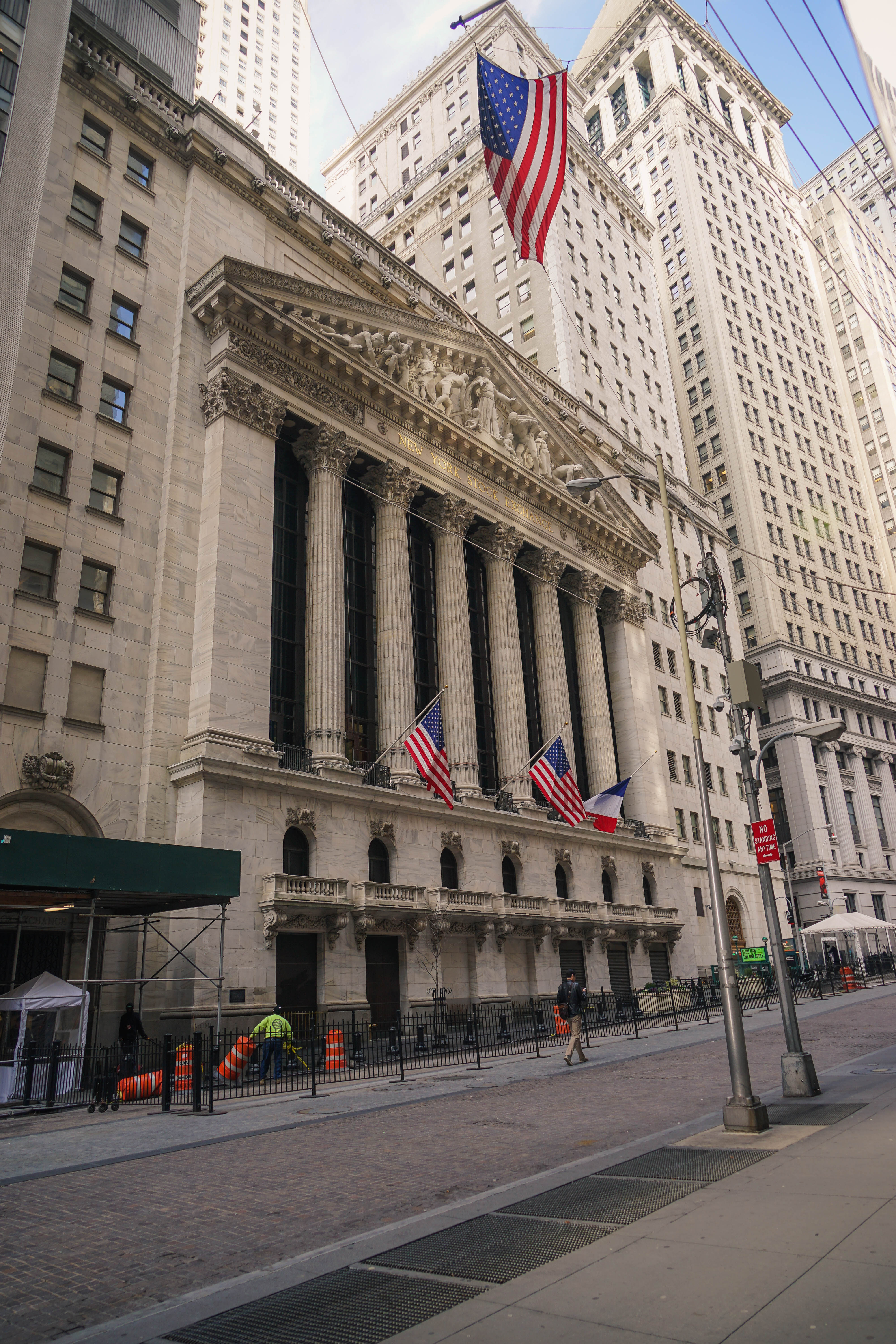
The New York Stock Exchange has its roots in the Buttonwood Agreement, signed on May 17, 1792, by 24 stockbrokers and merchants, including Alexander Hamilton, who would later become the first Secretary of the Treasury. This agreement established the rules and procedures for trading securities, laying the groundwork for the modern exchange. Over the years, the NYSE has evolved, with significant events like the introduction of the Dow Jones Industrial Average in 1896, the establishment of the Federal Reserve System in 1913, and the implementation of electronic trading systems in the 1970s. Today, the NYSE is a subsidiary of Intercontinental Exchange (ICE), which acquired it in 2013, and operates alongside other major exchanges like the NASDAQ, owned by Nasdaq, Inc., and the London Stock Exchange, owned by the London Stock Exchange Group.
📊 How It Works
The NYSE operates on a continuous auction basis, where buyers and sellers interact to determine prices. This process is facilitated by designated market makers (DMMs) like Jane Street and Virtu Financial, who are responsible for maintaining fair and orderly markets. The exchange also uses advanced technology, such as the NYSE Pillar platform, developed in collaboration with companies like IBM and Cisco Systems, to ensure efficient and secure trading. Additionally, the NYSE has implemented various initiatives to promote transparency and investor protection, such as the Securities and Exchange Commission's (SEC) Regulation National Market System (Reg NMS) and the Financial Industry Regulatory Authority's (FINRA) rules on best execution. Companies like Goldman Sachs, Morgan Stanley, and JPMorgan Chase play a significant role in the NYSE's operations, providing investment banking and brokerage services to listed companies.
🌐 Global Impact
The New York Stock Exchange has a profound impact on the global economy, with its listed companies representing a significant portion of the world's market capitalization. The exchange is closely watched by investors, policymakers, and economists, including influential figures like Warren Buffett, Ray Dalio, and Janet Yellen, who have all commented on the NYSE's role in shaping the global financial landscape. The NYSE also plays a critical role in facilitating capital formation, with companies like Facebook, Amazon, and Google using the exchange to raise funds for growth and expansion. Furthermore, the NYSE has been at the forefront of innovation, with the introduction of new products like exchange-traded funds (ETFs) and the development of blockchain technology, which has been explored by companies like Microsoft and IBM.
🔮 Future of Trading
As the financial landscape continues to evolve, the New York Stock Exchange is poised to remain a leading platform for trading and investment. With the rise of fintech companies like Robinhood, Coinbase, and PayPal, the NYSE is adapting to changing investor needs and preferences. The exchange is also investing in emerging technologies like artificial intelligence (AI) and machine learning (ML), with companies like NVIDIA and Alphabet's DeepMind exploring their applications in finance. Moreover, the NYSE is committed to promoting sustainability and environmental, social, and governance (ESG) practices, with initiatives like the NYSE's Board Advisory Council and the Sustainability Accounting Standards Board (SASB), which have been supported by companies like BlackRock and Vanguard.
Key Facts
- Year
- 1792
- Origin
- New York City, USA
- Category
- finance
- Type
- organization
Frequently Asked Questions
What is the New York Stock Exchange?
The New York Stock Exchange (NYSE) is a stock exchange located in New York City, where companies can list and trade their securities.
How does the NYSE work?
The NYSE operates on a continuous auction basis, where buyers and sellers interact to determine prices, facilitated by designated market makers and advanced technology.
What are the benefits of listing on the NYSE?
Listing on the NYSE provides companies with access to a large pool of investors, increased liquidity, and improved visibility, which can help to raise capital and grow their business.
Who are the main competitors of the NYSE?
The main competitors of the NYSE are other major stock exchanges, such as the NASDAQ and the London Stock Exchange.
What is the role of the SEC in regulating the NYSE?
The SEC is responsible for overseeing the NYSE and ensuring that it operates in a fair and transparent manner, with rules and regulations in place to protect investors and maintain market integrity.