Shinsengumi
The Wolves of Mibu: Japan's Legendary Edo-Era Special Police Force ⚔️
Featured partners and sponsors
New advertisers get $25 in ad credits
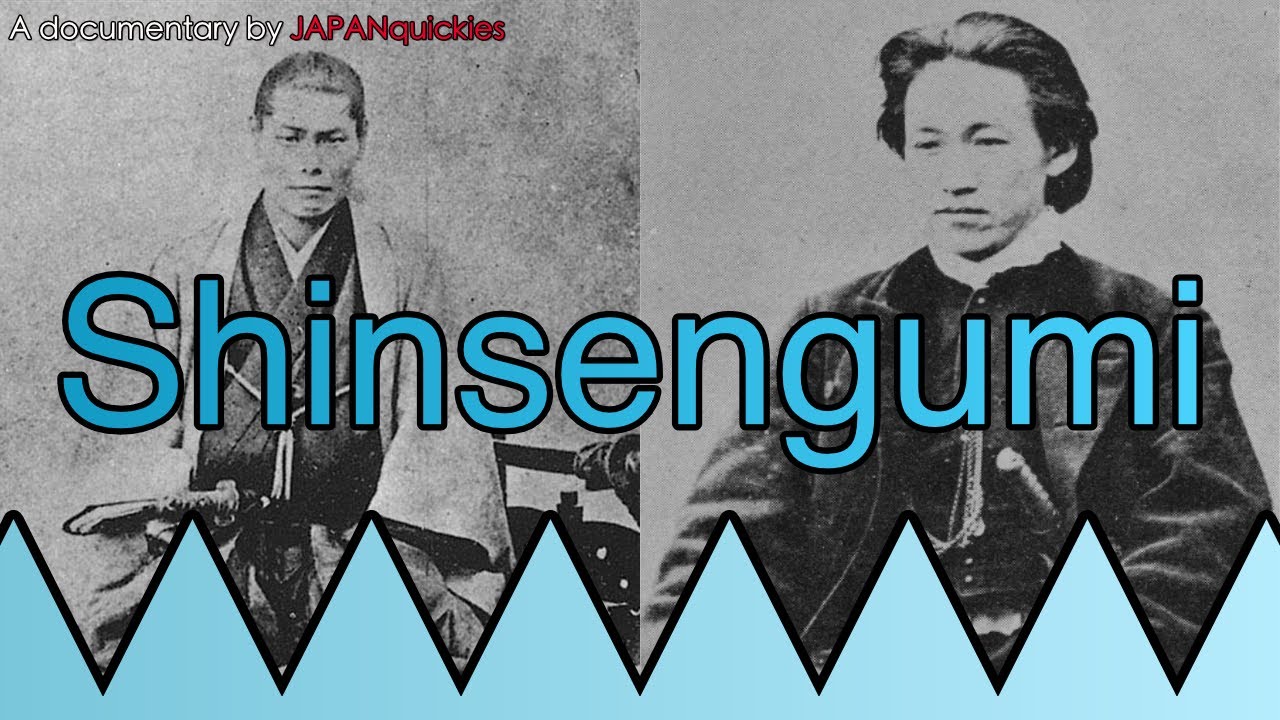
The Shinsengumi: A Mini-Documentary on the Shogun's Terror Squad
⚡ THE VIBE
✨The **Shinsengumi** were a legendary special police force in Japan's tumultuous Bakumatsu era, fiercely loyal to the Tokugawa Shogunate and dedicated to suppressing anti-shogunate forces, leaving an indelible mark on Japanese history and popular culture. ⚔️
§1The Twilight of the Samurai & Their Fiery Birth 🌅
Imagine Japan in the 1860s: a nation teetering on the brink of radical change. The long-reigning Tokugawa Shogunate was crumbling, foreign powers were knocking on its doors, and a fierce anti-foreigner, pro-Emperor movement, known as Sonnō jōi (Revere the Emperor, Expel the Barbarians), was gaining explosive momentum. Kyoto, the imperial capital, became a hotbed of political intrigue, assassinations, and unrest. It was into this volatile crucible that the Shinsengumi (新選組, 'New Selected Corps') were forged in 1863. Originally formed from a ragtag group of masterless samurai (rōnin) and sword-for-hire types, their mission was clear: restore order to Kyoto and protect the Shogun's interests against the radical imperial loyalists. Talk about being thrown into the deep end! 🌊
§2Swords, Loyalty, and the Code of the Wolf 🐺
The Shinsengumi quickly earned their fearsome reputation. Under the leadership of figures like Kondō Isami, Hijikata Toshizō, and Okita Sōji, they became the Shogun's most effective, and brutal, enforcers. Their signature uniform – a light blue haori (jacket) with white triangular mountain patterns on the sleeves – became a symbol of both terror and unwavering loyalty. They were known for their strict internal code, the Kyokuchū Hatto, which demanded absolute obedience, prohibited desertion, and enforced bushido principles with an iron fist. Violators faced seppuku (ritual suicide) without question. This intense discipline made them incredibly effective, but also incredibly feared. They were literally known as the 'Wolves of Mibu' (Mibu being their initial base in Kyoto) – and they lived up to the name! 🗡️
§3Iconic Clashes and Last Stands 💥
The Shinsengumi's brief but intense existence was marked by several legendary engagements. Perhaps the most famous was the Ikedaya Affair in 1864, where a small group of Shinsengumi raided an inn, thwarting a plot by imperial loyalists to burn Kyoto and kidnap the Emperor. This single event cemented their legend, saving Kyoto from widespread destruction and earning them immense prestige (and fear!). They were at the forefront of the Boshin War (1868-1869), the final conflict between the Shogunate and the Imperial forces. Despite their unparalleled combat skills, they were fighting against the tide of history. The Imperial forces, armed with modern Western weaponry, eventually overwhelmed the Shogun's traditional samurai. The Shinsengumi fought to the bitter end, their leaders falling one by one, embodying the tragic glory of the samurai era's final chapter. It's truly a story of fierce conviction against impossible odds. 💔
§4Legacy: From Feared Enforcers to Pop Culture Icons ✨
Though they lost the war, the Shinsengumi's story didn't end there. Their dramatic rise, unwavering loyalty, and tragic demise have captivated generations, transforming them from historical figures into enduring cultural icons. In modern Japan and beyond, they are celebrated not just as historical warriors, but as symbols of honor, sacrifice, and the romanticized ideal of the samurai. You'll find them everywhere: in countless manga (like Rurouni Kenshin and Hakuōki), anime, films (Akira Kurosawa's Shinsengumi), video games (Like a Dragon: Ishin!), and historical dramas. Their story continues to resonate, reminding us of a pivotal moment when Japan wrestled with its past and future, and a group of dedicated warriors stood firm against the coming storm. Their spirit truly lives on! 🌟