Tokugawa Shogunate
The era of peace, isolation, and samurai power that shaped modern Japan 🏯✨
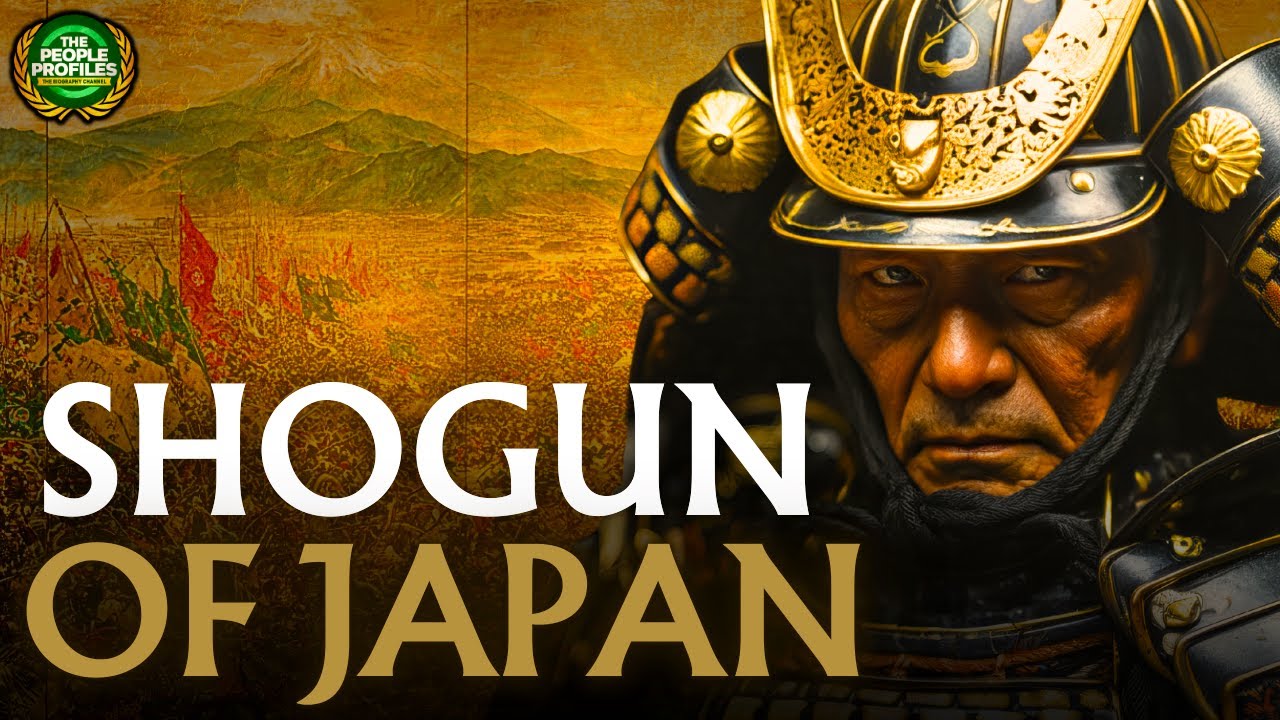
Tokugawa - From Hostage to Shogun Documentary
⚡ THE VIBE
✨The Tokugawa Shogunate was a feudal military government that ruled Japan for over 250 years, ushering in an unprecedented period of stability, economic growth, and cultural flourishing, while also famously closing the country off from most of the outside world. It was a time of epic samurai, intricate social hierarchies, and the birth of a truly distinct Japanese identity. 🌸⚔️
§1The Rise of the Shogun: Unifying a War-Torn Land 🌍
Imagine Japan in the late 16th century: a land fractured by centuries of civil war, known as the Sengoku Period. Warlords, or daimyo, battled relentlessly for supremacy, leaving a trail of chaos and innovation in their wake. Enter Tokugawa Ieyasu 🛡️, a shrewd and patient daimyo who, after the deaths of two other great unifiers (Oda Nobunaga and Toyotomi Hideyoshi), finally seized ultimate power. His decisive victory at the Battle of Sekigahara in 1600 cemented his authority, and in 1603, he was officially appointed shogun by the emperor, establishing the Tokugawa Shogunate. This wasn't just a change of leadership; it was the dawn of an entirely new era, bringing an end to nearly 150 years of brutal conflict and setting the stage for a centralized, unified Japan. Talk about a glow-up! ✨
§2Edo Period: Peace, Prosperity, and Strict Control ⚖️
The Tokugawa Shogunate, often synonymous with the Edo Period (named after its new capital, Edo, modern-day Tokyo), was characterized by an iron-fisted yet remarkably effective system of governance. The shogun held real political and military power, while the emperor remained a symbolic figurehead in Kyoto. To prevent daimyo from rebelling, the shogunate implemented the sankin-kōtai system, or 'alternate attendance' 🚶♂️. This forced daimyo to spend every other year in Edo, leaving their families as hostages when they returned to their domains. This ingenious system drained their wealth and kept them under close surveillance, ensuring loyalty and preventing the accumulation of power that had plagued earlier eras. The result? Over two centuries of unprecedented peace, allowing for massive economic growth, urbanization, and a vibrant new urban culture to flourish. 📈
§3Sakoku: The Closed Country Policy 🔒
Perhaps the most fascinating and controversial aspect of the Tokugawa Shogunate was its sakoku policy, meaning 'closed country' 🚫. Fearing the destabilizing influence of foreign ideas, particularly Christianity, and the growing power of European colonialists, the shogunate severely restricted foreign trade and contact from the 1630s onwards. Only the Dutch (confined to Dejima island in Nagasaki), Chinese, and Koreans were allowed limited access. This isolation had profound effects: it fostered a unique and internally developed Japanese culture, free from external pressures, but also left Japan technologically and militarily behind the rapidly industrializing West. Imagine living in a world completely cut off from global trends for over 200 years! It's a truly mind-bending historical experiment. 🤯
§5The End of an Era: Meiji Restoration and Modernization 🚀
The Tokugawa Shogunate's long reign came to an abrupt end in the mid-19th century. The arrival of American Commodore Matthew Perry's 'Black Ships' in 1853, demanding Japan open its borders, exposed the shogunate's military weakness and the obsolescence of its isolationist policies. This external pressure, combined with internal discontent among various daimyo and a growing reverence for the emperor, led to the Meiji Restoration in 1868. This pivotal event saw the shogun relinquish power, the emperor restored to actual political authority, and Japan embark on a rapid and ambitious program of modernization and Westernization. The Tokugawa legacy, however, remains deeply embedded in Japan's national identity, from its administrative structures to its unique cultural expressions. It was a truly transformative chapter in human history. 🌟