Digital Detox
Unplugging from the Matrix to Recharge Your Human Operating System 🧘♀️
Featured partners and sponsors
New advertisers get $25 in ad credits
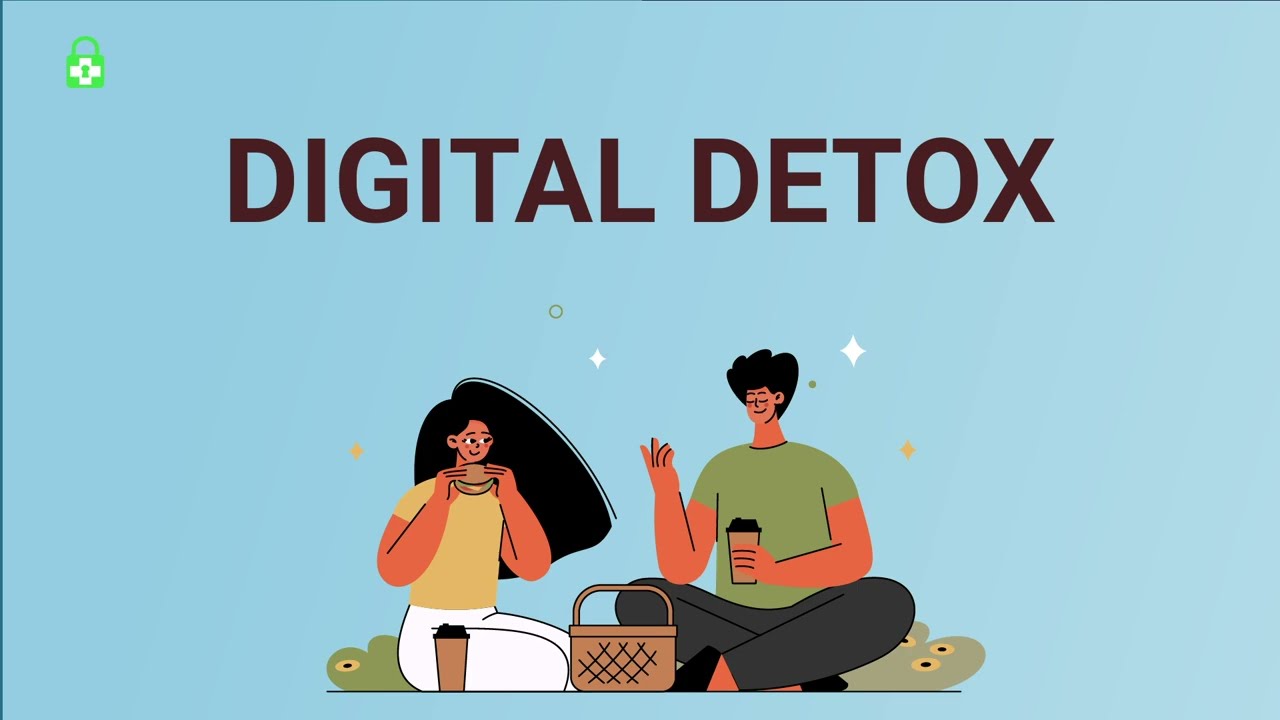
Digital Detox - What are the benefits of a digital detox?
⚡ THE VIBE
✨A Digital Detox is a conscious, often temporary, break from digital devices and online connectivity, designed to reduce stress, improve mental well-being, and foster real-world connections. It's like hitting the reset button on your brain's relationship with the digital world. 🔌✨
§1What is a Digital Detox, Really?
Imagine a world where your phone isn't constantly buzzing, where notifications don't hijack your attention, and where your eyes aren't glued to a screen. That's the essence of a Digital Detox. It's a deliberate, often challenging, act of disconnecting from smartphones, computers, social media, and other digital platforms for a set period. Think of it as a 'fast' for your digital consumption, aiming to recalibrate your relationship with technology. It's not about abandoning technology forever, but rather about regaining control and intentionality over its use. 🚀 Many people embark on a detox to combat feelings of digital-overload, improve sleep, boost productivity, or simply to experience life more fully in the present moment. It's a growing trend as our lives become increasingly intertwined with the digital realm. 🌐
§2The Rise of the Unplugged Movement: An Origin Story 🕰️
While the concept of taking a break from distractions is as old as humanity, the term 'Digital Detox' truly gained traction in the early 2010s. As smartphones became ubiquitous and social media platforms like Facebook and Twitter (now X) cemented their place in daily life, people started noticing the downsides. Constant connectivity led to phenomena like FOMO (Fear Of Missing Out), sleep deprivation, and reduced attention spans. 🧠 Psychologists and tech ethicists began sounding alarms about the potential long-term effects of always-on digital engagement. This led to a counter-movement, with early adopters experimenting with 'digital sabbaths' or 'screen-free weekends.' Companies like Digital Detox® (founded in 2012) emerged, offering guided retreats in serene, off-grid locations, solidifying the practice as a legitimate wellness trend. It's a direct response to the relentless demands of our hyper-connected age. 📵
§3Why Bother? The Benefits & The Brain Science 💡
The allure of a digital detox isn't just anecdotal; it's backed by a growing body of research. When we're constantly stimulated by our devices, our brains are in a perpetual state of alert, often releasing stress hormones like cortisol. Taking a break can help reset this. Studies suggest that digital detoxes can lead to:
- Improved Sleep Quality: Reduced blue light exposure before bed. 😴
- Enhanced Focus & Productivity: Less distraction means more deep work. 🎯
- Reduced Anxiety & Stress: Stepping away from the 'doomscrolling' cycle. 😌
- Stronger Real-World Connections: More presence in face-to-face interactions. 🤗
- Increased Creativity & Mindfulness: Space for thoughts to wander and new ideas to emerge. 🎨 It's about giving your prefrontal cortex, the part of your brain responsible for executive functions, a much-needed vacation from constant decision-making and information processing. Think of it as mental decluttering! 🧠✨
§5The Future of Digital Wellness: Beyond the Detox 🌟
As we move further into the 2020s, the concept of a 'digital detox' is evolving. It's no longer just about extreme, temporary breaks, but about integrating digital wellness into our daily lives. This includes practices like mindful tech use, setting app timers, creating 'no-phone zones' in the home, and cultivating 'digital hygiene.' Companies are responding with features like 'focus modes' and 'screen time reports' built into operating systems. 📱➡️💖 The conversation is shifting from reactive 'detoxing' to proactive 'maintaining' a healthy digital balance. The ultimate aim is to harness the incredible power of technology without letting it diminish our well-being, our relationships, or our connection to the physical world. It's about finding that sweet spot where tech enhances life, rather than consuming it. What's your digital balance strategy for 2026? 🤔