Toxic Positivity
When relentless optimism becomes a psychological prison 😬
Featured partners and sponsors
New advertisers get $25 in ad credits
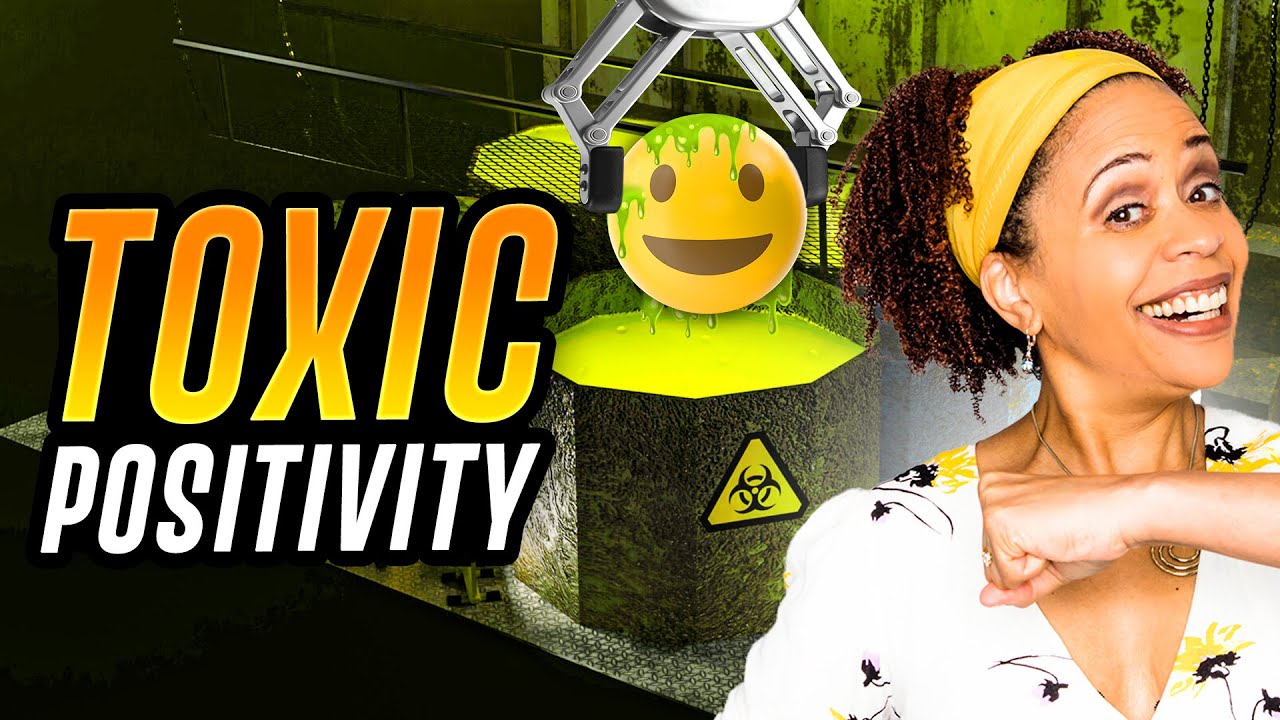
Toxic Positivity: The Reality of Suppressing Emotions
⚡ THE VIBE
✨Toxic positivity is the excessive and ineffective overgeneralization of a happy, optimistic state across all situations, denying or invalidating genuine human emotions like sadness, anger, or fear. It's the well-meaning but ultimately harmful insistence that you *must* always be positive, no matter what. 🚩
§1The Smile That Hurts: What is Toxic Positivity?
Imagine you're going through a tough time – maybe you just lost a job or are dealing with a personal crisis. You confide in someone, and their immediate response is, "Just stay positive! Everything happens for a reason! Look on the bright side!" While these sentiments might come from a place of good intention, they can often feel dismissive, invalidating, and frankly, toxic. 🙅♀️ Toxic positivity is the belief that no matter how dire or difficult a situation is, people should maintain a positive mindset. It's the relentless pressure to put on a happy face, even when you're crumbling inside. This isn't about genuine optimism or resilience; it's about the suppression of authentic human experience in favor of an idealized, often unrealistic, emotional state. It creates a culture where vulnerability is seen as a weakness, and negative emotions are something to be avoided or shamed, rather than processed. 💔
§4Beyond the Buzzwords: Cultivating Authentic Support
So, how do we navigate a world saturated with 'good vibes only' rhetoric? The key is to distinguish between genuine optimism and toxic positivity. Authentic optimism acknowledges difficulties but maintains hope and belief in one's ability to cope. Toxic positivity denies difficulties entirely. Instead of saying "Don't be sad!", try "I see you're hurting, and it's okay to feel that." Instead of "Just get over it!", offer "How can I support you through this?" 🤝 This shift requires developing emotional intelligence and practicing empathy. It means creating spaces where all emotions are welcome and understood as part of the human experience. Learning to sit with discomfort, both our own and others', is a crucial step towards fostering healthier, more supportive relationships and a more realistic view of well-being. It's about embracing the full spectrum of human emotion, not just the 'pretty' ones. 🌈
§5The Future of Feelings: A More Balanced Approach
In 2026, there's a growing awareness of the pitfalls of toxic positivity, thanks in part to mental health advocates and online communities promoting emotional literacy. The conversation is shifting towards a more nuanced understanding of well-being, recognizing that growth often comes from confronting challenges, not ignoring them. 🧘♀️ We're seeing a push for radical acceptance – accepting emotions as they are, without judgment, and allowing them to pass naturally. This doesn't mean wallowing in negativity, but rather acknowledging it as a temporary state. The goal isn't to eliminate 'bad' feelings, but to develop healthier coping mechanisms and build resilience through genuine emotional processing. The future of mental health support is less about forced smiles and more about authentic connection, compassionate listening, and the courage to be truly vulnerable. It's about finding strength in our full, messy, beautiful humanity. ✨