Rule of Law
The invisible bedrock of civilization, where no one is above the game! ⚖️
Featured partners and sponsors
New advertisers get $25 in ad credits
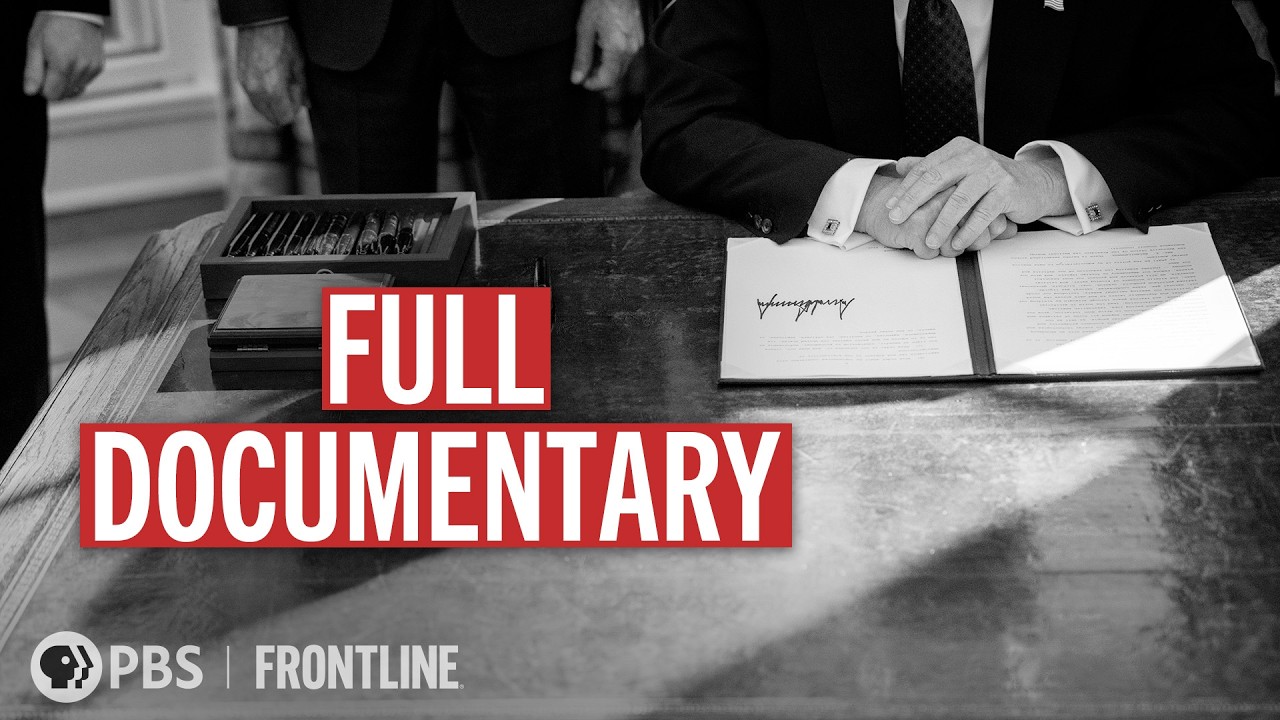
Trump’s Power & the Rule of Law (full documentary) | FRONTLINE
⚡ THE VIBE
✨The **Rule of Law** is the profound concept that all individuals, institutions, and even the government itself are accountable to laws that are publicly promulgated, equally enforced, and independently adjudicated, ensuring justice and stability for society. It's the silent guardian against arbitrary power, shaping everything from our daily interactions to global geopolitics. 🌍
§1What is the Rule of Law? 🤔
Imagine a world where power is absolute, where decisions are made on a whim, and where justice is a moving target. Sounds chaotic, right? The Rule of Law is the antithesis of that chaos. At its core, it's the principle that no one is above the law – not the king, not the president, not even the most powerful corporation. It means that laws are clear, stable, and applied equally to everyone, providing a predictable framework for society. It's not just about having laws; it's about having good laws that are fair, transparent, and protect fundamental rights. Think of it as the operating system for a just society, constantly running in the background, ensuring everything functions smoothly. ⚙️
§2A Journey Through Time: Origins & Evolution 📜
The seeds of the Rule of Law were sown millennia ago. Ancient Greek philosophers like Aristotle pondered the idea that 'law should govern,' not men. Fast forward to the Roman Empire, where the concept of lex (law) and jurisprudence began to solidify, influencing legal systems for centuries. However, the modern understanding truly blossomed during the Enlightenment in Europe. Thinkers like John Locke and Montesquieu championed ideas of limited government, separation of powers, and the protection of individual liberties through established legal frameworks. The Magna Carta in 1215, though initially a pact between a king and his barons, is often cited as an early, pivotal step towards restricting monarchical power. By the 19th and 20th centuries, figures like A.V. Dicey formalized the concept, emphasizing equality before the law, the supremacy of ordinary law, and the role of independent courts. It's been a long, winding road, but the destination has always been the same: a society governed by principles, not personalities. 🌟
§3The Pillars of Justice: How It Works 🏗️
The Rule of Law isn't a single entity; it's a magnificent structure built upon several crucial pillars. First, there's Supremacy of Law: the idea that the law is the highest authority, binding all. Second, Equality Before the Law: everyone, regardless of status or power, is subject to the same laws and legal processes. Third, Accountability to Law: governments, officials, and private actors are all accountable under the law. Fourth, Fairness in the Application of Law: this involves transparent, accessible, and impartial legal processes, ensuring due process and independent judiciary. Imagine a game where everyone knows the rules, the referee is impartial, and even the team owners have to follow the same regulations. That's the Rule of Law in action! Without these pillars, the whole edifice crumbles, leading to corruption, injustice, and instability. 🏛️
§4Why It Matters: Impact on Society & Beyond 🌐
The impact of the Rule of Law is profound and far-reaching. On a societal level, it fosters trust – trust in institutions, trust between citizens, and trust in the future. This trust is the fertile ground for economic prosperity, as businesses can invest with confidence, knowing their contracts will be upheld and their property rights protected. It underpins human rights, providing a framework for their recognition and enforcement, safeguarding individual freedoms from arbitrary state interference. Globally, it's a cornerstone of international relations, promoting peace and cooperation by establishing shared norms and mechanisms for dispute resolution. In 2026, as we navigate complex global challenges like climate change and digital governance, the principles of the Rule of Law are more critical than ever for building a stable, just, and sustainable future. It's the invisible force that allows societies to thrive and individuals to flourish. 🚀
§5Challenges & The Path Forward 🚧
Despite its foundational importance, the Rule of Law is not a static achievement; it's a continuous endeavor. In recent years, we've seen challenges emerge globally, from the rise of authoritarianism and the erosion of democratic norms to the spread of disinformation that undermines public trust in legal institutions. Issues like judicial independence, corruption, and access to justice remain critical battlegrounds. The digital age also presents new frontiers, demanding legal frameworks for artificial intelligence, data privacy, and cybercrime. Upholding the Rule of Law requires constant vigilance, active citizen engagement, and a commitment from leaders to respect and strengthen legal institutions. It's a collective responsibility to ensure this vital principle continues to guide our societies towards greater justice and equity. The fight for fairness is never truly over! ✨