Rhetoric
The ancient art of persuasion, still shaping our world today! 🗣️✨
Featured partners and sponsors
New advertisers get $25 in ad credits
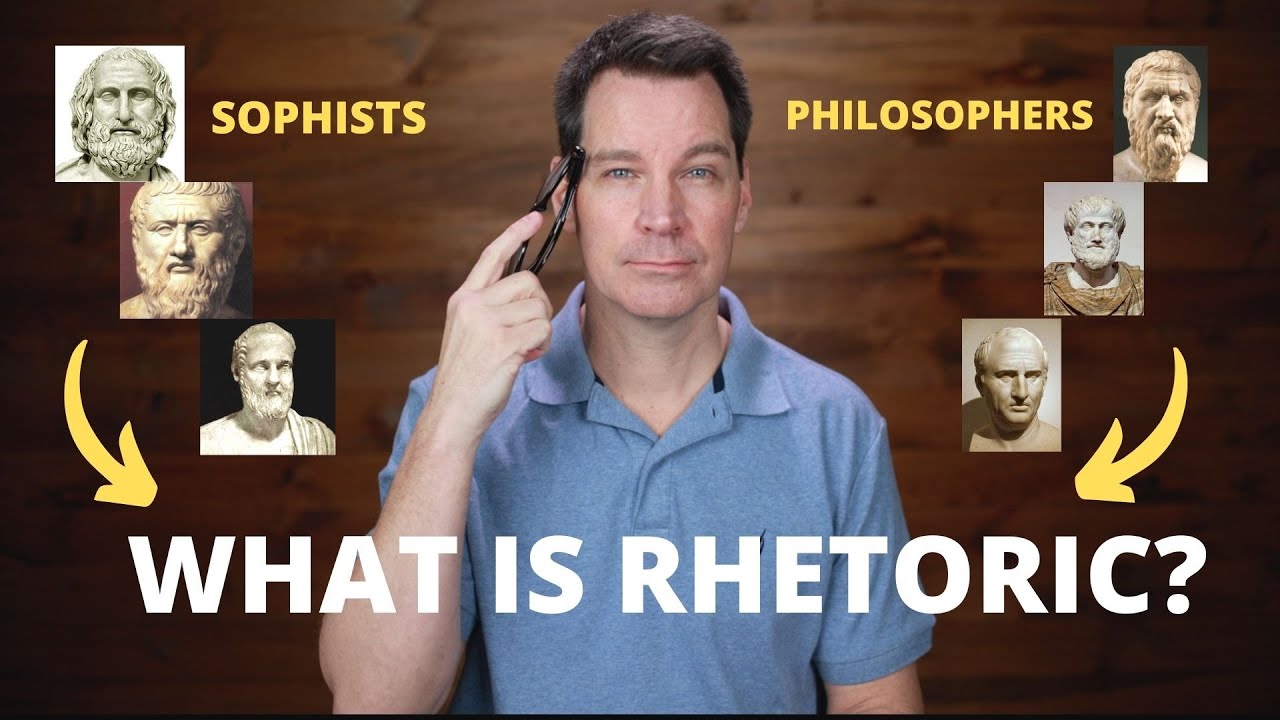
What is Rhetoric?
⚡ THE VIBE
✨Rhetoric is the timeless art of **persuasion**, a powerful tool for communication that has shaped civilizations, swayed public opinion, and ignited movements for millennia. It's not just about fancy words; it's about understanding human nature and crafting messages that resonate deep within the soul. 🧠✨
§1What is Rhetoric, Really? 🤔
At its core, rhetoric is the study and practice of effective communication and persuasion. It’s about more than just what you say; it’s how you say it, when you say it, and to whom you say it. Think of it as the ultimate toolkit for influencing thought and action. From a politician's speech to a viral social media post, rhetoric is everywhere, subtly (or not-so-subtly) guiding our perceptions and decisions. It's the engine behind every compelling argument and every captivating story. 🚀
§2The Golden Age: Origins in Ancient Greece 🏛️
The story of rhetoric truly begins in Ancient Greece, around the 5th century BCE. After the fall of tyrants in Sicily, citizens needed to argue their property claims in court, giving rise to the first 'teachers of rhetoric,' known as Sophists. Figures like Gorgias and Protagoras taught citizens how to craft persuasive arguments, often focusing on style and emotional appeal, which sometimes earned them a bad rap for prioritizing winning over truth.
However, it was Aristotle who codified rhetoric into a systematic art form with his seminal work, On Rhetoric. He identified three primary modes of persuasion, which remain foundational today:
- Ethos: Appealing to the speaker's credibility or character. (Think: trust me, I'm an expert!) 🧑🎓
- Pathos: Appealing to the audience's emotions. (Think: feel my pain, share my joy!) 😢🥳
- Logos: Appealing to logic and reason. (Think: the data clearly shows...) 📊
These concepts provided a framework for understanding how messages move people, a framework still incredibly relevant in 2026. 🌟
§3The Five Canons: Crafting the Perfect Message ✍️
Beyond Aristotle's appeals, classical rhetoric also outlined five essential canons, or stages, for crafting a persuasive message. These are like the secret sauce for any effective communicator:
- Invention (Inventio): Discovering the best arguments and evidence. What's your core message? What supports it? 💡
- Arrangement (Dispositio): Organizing your arguments for maximum impact. Where does the intro go? The main points? The killer conclusion? 🏗️
- Style (Elucutio): Choosing the right words and figures of speech to make your message vivid and memorable. Think metaphors, similes, powerful imagery. 🎨
- Memory (Memoria): The techniques used to recall the speech (less about memorizing word-for-word, more about internalizing the structure and key points). While less emphasized in modern written rhetoric, it was crucial for orators. 🧠
- Delivery (Pronuntiatio): The actual presentation – voice, gestures, eye contact, and overall stage presence. How you perform your message. 🎭
Mastering these canons is like having a superpower in communication, allowing you to dissect and construct messages with surgical precision. 🛠️
§4Rhetoric in the Modern World: From AI to Activism 🌐
Far from being a dusty academic subject, rhetoric is thriving in the 21st century. In an age dominated by information overload and instant communication, the ability to craft clear, compelling, and persuasive messages is more critical than ever.
Consider its impact across various fields:
- Politics: Every political campaign, debate, and policy announcement is a masterclass in rhetorical strategy. From framing issues to using specific language, rhetoric shapes public discourse and election outcomes. 🗳️
- Marketing & Advertising: Companies spend billions using rhetorical techniques to persuade us to buy products, subscribe to services, and build brand loyalty. Think about the emotional appeals in commercials or the logical arguments for a new tech gadget. 🛍️
- Social Justice & Activism: Movements for change, from civil rights to environmental protection, rely heavily on powerful rhetoric to mobilize supporters, challenge existing norms, and inspire collective action. Think of the speeches that have moved nations. ✊
- Digital Communication: With the rise of social media, podcasts, and AI-generated content, rhetoric has found new platforms. Understanding how algorithms amplify certain messages and how online communities are persuaded is a new frontier for rhetorical study. 📱🤖
From analyzing deepfakes to understanding the persuasive power of memes, rhetoric helps us navigate the complex landscape of modern communication and media. It's the ultimate critical thinking tool for discerning truth from manipulation. 🧐
§5Why Rhetoric Matters: Your Superpower for Life 🌟
Why should you care about rhetoric? Because it's not just for scholars or politicians; it's a fundamental life skill. Understanding rhetoric empowers you in countless ways:
- Become a Better Communicator: Whether writing an email, giving a presentation, or having a difficult conversation, rhetorical awareness helps you articulate your thoughts more effectively. 🗣️
- Become a Critical Consumer of Information: In an era of misinformation and 'fake news,' knowing rhetorical strategies helps you identify bias, logical fallacies, and manipulative tactics in media, advertising, and political discourse. You become a discerning citizen. 🕵️♀️
- Empower Your Voice: Rhetoric gives you the tools to advocate for yourself, your ideas, and your community. It's about finding your voice and making it heard in a meaningful way. 🎤
Ultimately, rhetoric is about agency – the ability to understand and influence the world around you through the power of words. It's a skill that transcends time and technology, making it one of the most enduring and valuable 'vibes' in human history. So go forth and persuade, wisely! ✨