Propaganda
The art of persuasion, manipulation, and shaping reality since forever. 🗣️🧠
Featured partners and sponsors
New advertisers get $25 in ad credits
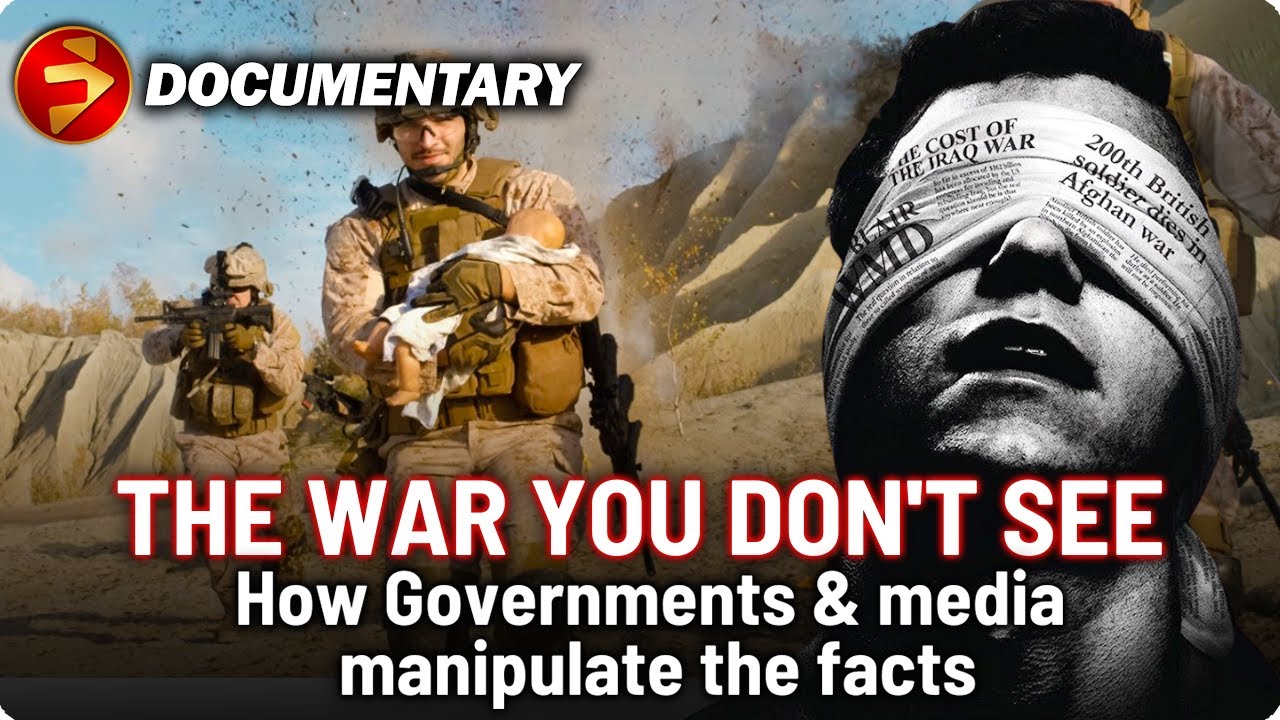
Governments and Media roles in War Propaganda | THE WAR YOU DON'T SEE | John Pilger Documentary
⚡ THE VIBE
✨Propaganda is the deliberate, systematic attempt to shape perceptions, manipulate cognitions, and direct behavior to achieve a response that furthers the desired intent of the propagandist. It's a powerful, often unseen, force that has swayed nations and shaped history. 🌍✨
§1What is Propaganda, Really? 🤔
At its core, propaganda is more than just 'lies' or 'misinformation'; it's a strategic communication designed to influence attitudes and actions. Think of it as a carefully crafted narrative, often disseminated through various channels, to promote a specific cause, viewpoint, or agenda. It's not inherently good or evil, but its intent and methods determine its ethical standing. From ancient empires rallying troops to modern political campaigns vying for votes, the goal remains the same: to persuade. It leverages psychology, sociology, and media theory to tap into our emotions, beliefs, and values. Understanding propaganda isn't just academic; it's a vital skill for navigating our information-rich world. 🌐💡
§2A Journey Through Persuasion: Origins & Evolution 📜
While the term 'propaganda' gained prominence with the Catholic Church's Congregatio de Propaganda Fide (Congregation for the Propagation of the Faith) in the 17th century, the practice is as old as civilization itself. Ancient Egyptian pharaohs carved heroic tales into temples, Roman emperors minted coins celebrating their victories, and Persian kings used monumental architecture to assert their power. Fast forward to the 20th century, and propaganda became a sophisticated tool of nation-states, particularly during the World Wars. Figures like Edward Bernays, often called the 'father of public relations,' pioneered techniques that blurred the lines between persuasion and manipulation, influencing everything from consumer habits to political opinions. The rise of mass media—radio, film, television—supercharged its reach, turning local messages into global phenomena. 📻🎥
§3The Toolbox of Influence: How It Works 🛠️
Propaganda employs a diverse toolkit of techniques, often playing on cognitive biases and emotional responses. It's rarely about presenting a balanced view; instead, it's about framing, emphasizing, and sometimes omitting. Some classic techniques include:
- Name-calling: Attaching negative labels to an opponent or idea. 🏷️
- Glittering Generalities: Using vague, positive phrases that evoke emotion without providing concrete meaning (e.g., 'freedom,' 'justice'). ✨
- Bandwagon: Appealing to the desire to be part of the majority ('everyone's doing it!'). 👨👩👧👦
- Testimonial: Using a respected (or disrespected) person to endorse (or condemn) an idea. 🎤
- Plain Folks: Presenting the propagandist as an 'average person' to build trust. 🧑🤝🧑
- Transfer: Associating a positive (or negative) symbol with a person or idea. 🖼️
- Card Stacking: Presenting only facts that support one side of an argument, while ignoring others. 🃏
In the digital age, these techniques are amplified by algorithms and social media, allowing for highly targeted and personalized messaging, creating echo chambers and making critical analysis more challenging. 📱💻
§4Impact & The Digital Frontier 🚀
The impact of propaganda is immense, shaping public opinion, influencing elections, inciting conflicts, and even driving cultural shifts. From rallying support for war efforts to promoting public health initiatives, its applications are vast and varied. However, the 21st century has introduced unprecedented challenges. The internet and social media platforms have democratized information dissemination, but also made it easier for malicious actors to spread disinformation and misinformation at lightning speed. The lines between news, entertainment, and propaganda have become increasingly blurred, leading to what some call a 'post-truth' era. Understanding media literacy and critical thinking is more crucial than ever to discern credible information from manipulative narratives. 🧐🛡️