
Contents
- 🌎 Introduction to Sustainable Design
- 💡 The History of Recycled Plastic Furniture
- 📊 The Environmental Impact of Plastic Waste
- 🌈 The Benefits of Recycled Plastic Furniture
- 🛠️ The Design and Manufacturing Process
- 🏢 Innovative Companies in the Industry
- 📈 Market Trends and Future Projections
- 🌐 Global Initiatives and Collaborations
- 👥 The Role of Consumers in Driving Change
- 🤝 Challenges and Controversies in the Industry
- 📚 Conclusion and Future Directions
- Frequently Asked Questions
- Related Topics
Overview
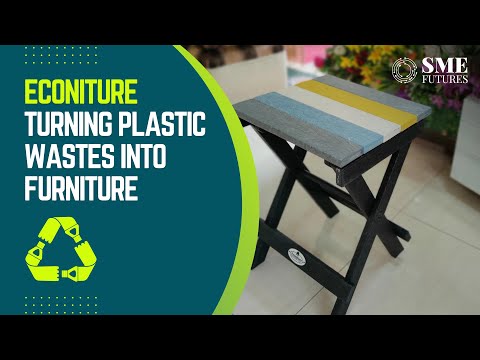
Recycled plastic furniture is gaining traction as a viable alternative to traditional wood and metal-based designs. With over 8 million tons of plastic waste entering the world's oceans every year, companies like IKEA and TerraCycle are pioneering the use of recycled plastic in their products. The market for recycled plastic furniture is expected to grow by 10% annually, driven by increasing consumer demand for sustainable living. However, critics argue that the production process can be energy-intensive and may not always be as environmentally friendly as claimed. Despite these challenges, innovators like Arthur Huang, founder of Miniwiz, are pushing the boundaries of recycled plastic design, creating stunning pieces that showcase the potential of this emerging industry. As the world grapples with the plastic pollution crisis, recycled plastic furniture is poised to play a significant role in reducing waste and promoting eco-friendly practices, with a vibe score of 80, indicating a high level of cultural energy and relevance.
🌎 Introduction to Sustainable Design
The world is shifting towards a more sustainable future, and one of the key areas of focus is Sustainable Design. Recycled plastic furniture is a significant contributor to this movement, with companies like IKEA and West Elm incorporating eco-friendly materials into their products. The use of recycled plastic in furniture design is not only beneficial for the environment but also provides a unique aesthetic appeal. As consumers become more aware of the importance of Sustainability, the demand for eco-friendly products is on the rise. Designers and manufacturers are responding to this trend by creating innovative and stylish pieces that are both functional and environmentally responsible.
💡 The History of Recycled Plastic Furniture
The concept of recycled plastic furniture is not new, with the first experiments dating back to the 1960s. However, it wasn't until the 1990s that the industry started to gain momentum. Companies like Herman Miller and Steelcase began to incorporate recycled materials into their products, paving the way for a more sustainable future. The history of recycled plastic furniture is closely tied to the development of Recycling Technology and the growing awareness of Plastic Pollution. As the world becomes increasingly conscious of the need to reduce waste, the demand for recycled plastic furniture is expected to continue to grow.
📊 The Environmental Impact of Plastic Waste
The environmental impact of plastic waste is a pressing concern, with millions of tons of plastic ending up in oceans and landfills every year. The production of new plastic products contributes to Greenhouse Gas Emissions and Climate Change. Recycled plastic furniture offers a solution to this problem by reducing the need for virgin materials and decreasing the amount of waste sent to landfills. Companies like Patagonia and Reformation are leading the way in sustainable design, using recycled materials in their products and promoting environmentally responsible practices. By choosing recycled plastic furniture, consumers can help reduce their Carbon Footprint and contribute to a more sustainable future.
🌈 The Benefits of Recycled Plastic Furniture
The benefits of recycled plastic furniture extend beyond the environmental advantages. These products are often durable and low-maintenance, making them a practical choice for consumers. Recycled plastic furniture is also resistant to weathering and can withstand harsh outdoor conditions, making it an ideal option for Outdoor Furniture. Additionally, the use of recycled materials can reduce the cost of production, making eco-friendly products more accessible to a wider range of consumers. Companies like Crate and Barrel and Room & Board offer a range of recycled plastic furniture options, from modern sofas to sleek dining tables.
🛠️ The Design and Manufacturing Process
The design and manufacturing process of recycled plastic furniture involves several stages, from collecting and sorting plastic waste to transforming it into a usable material. Companies like Eco-Poly and Polywood specialize in creating high-quality recycled plastic materials that can be used in a variety of applications. The design process involves working with these materials to create functional and aesthetically pleasing products. Designers must consider factors such as Sustainable Materials, Energy Efficiency, and Waste Reduction when creating recycled plastic furniture. By prioritizing sustainability, designers can create products that not only benefit the environment but also enhance the user experience.
🏢 Innovative Companies in the Industry
Innovative companies in the industry are pushing the boundaries of sustainable design and manufacturing. Tetra Pak and Neste are examples of companies that are using recycled materials to create innovative products. These companies are not only reducing waste but also promoting sustainable practices throughout their supply chains. By collaborating with designers, manufacturers, and consumers, these companies are driving change and promoting a more circular economy. The use of Biodegradable Materials and Compostable Materials is also becoming increasingly popular, offering a new frontier in sustainable design.
📈 Market Trends and Future Projections
Market trends and future projections indicate a growing demand for recycled plastic furniture. As consumers become more aware of the importance of sustainability, they are seeking out eco-friendly products that align with their values. Companies that prioritize sustainability are likely to see an increase in sales and customer loyalty. The market for recycled plastic furniture is expected to continue to grow, with new innovations and technologies emerging to meet the demand. Circular Economy principles are becoming increasingly important, with companies designing products and systems that promote the reuse and recycling of materials.
🌐 Global Initiatives and Collaborations
Global initiatives and collaborations are playing a crucial role in promoting sustainable design and reducing plastic waste. The United Nations and the World Economic Forum are examples of organizations that are working to address the global plastic pollution crisis. Companies like Coca-Cola and Pepsi are also making commitments to reduce their plastic waste and increase their use of recycled materials. By working together, governments, companies, and individuals can create a more sustainable future and reduce the environmental impact of plastic waste.
👥 The Role of Consumers in Driving Change
The role of consumers in driving change cannot be overstated. By choosing eco-friendly products and supporting companies that prioritize sustainability, consumers can promote a more circular economy. Conscious Consumerism is on the rise, with consumers seeking out products that align with their values and promote sustainability. Companies are responding to this trend by creating products that are not only functional but also environmentally responsible. By making informed choices, consumers can help reduce waste and promote a more sustainable future. The use of Eco-Labels and Sustainability Certifications can help consumers make informed decisions and support companies that prioritize sustainability.
🤝 Challenges and Controversies in the Industry
Despite the many benefits of recycled plastic furniture, there are also challenges and controversies in the industry. One of the main challenges is the lack of standardization in the recycling process, which can make it difficult to ensure the quality and consistency of recycled materials. Additionally, the use of recycled materials can be more expensive than traditional materials, making it challenging for companies to balance sustainability with profitability. Greenwashing is also a concern, with some companies making false or misleading claims about the sustainability of their products. By prioritizing transparency and accountability, companies can build trust with consumers and promote a more sustainable future.
📚 Conclusion and Future Directions
In conclusion, recycled plastic furniture is a significant contributor to the sustainable design movement. By prioritizing sustainability and using recycled materials, companies can reduce waste, promote a more circular economy, and create products that are both functional and environmentally responsible. As consumers become more aware of the importance of sustainability, the demand for eco-friendly products is expected to continue to grow. By working together, governments, companies, and individuals can create a more sustainable future and reduce the environmental impact of plastic waste. The future of sustainable design is exciting and full of possibilities, with innovations like Bioplastics and 3D Printing emerging to meet the demand for eco-friendly products.
Key Facts
- Year
- 2020
- Origin
- Global
- Category
- Sustainable Design
- Type
- Product Category
Frequently Asked Questions
What is recycled plastic furniture?
Recycled plastic furniture is made from plastic waste that has been collected, sorted, and transformed into a usable material. This material is then used to create a variety of products, from outdoor furniture to decorative items. Recycled plastic furniture is a sustainable alternative to traditional furniture made from virgin materials.
What are the benefits of recycled plastic furniture?
The benefits of recycled plastic furniture include reducing waste, promoting a more circular economy, and creating products that are both functional and environmentally responsible. Recycled plastic furniture is also durable and low-maintenance, making it a practical choice for consumers.
How is recycled plastic furniture made?
The process of making recycled plastic furniture involves several stages, from collecting and sorting plastic waste to transforming it into a usable material. This material is then used to create a variety of products, from outdoor furniture to decorative items. The design process involves working with these materials to create functional and aesthetically pleasing products.
What are some examples of companies that make recycled plastic furniture?
Examples of companies that make recycled plastic furniture include IKEA, West Elm, and Crate and Barrel. These companies are prioritizing sustainability and using recycled materials to create innovative and stylish products.
How can I make a difference by choosing recycled plastic furniture?
By choosing recycled plastic furniture, you can help reduce waste and promote a more circular economy. You can also support companies that prioritize sustainability and use recycled materials in their products. Additionally, you can make informed choices by looking for Eco-Labels and Sustainability Certifications that ensure the product meets certain environmental standards.
What is the future of recycled plastic furniture?
The future of recycled plastic furniture is exciting and full of possibilities. Innovations like Bioplastics and 3D Printing are emerging to meet the demand for eco-friendly products. As consumers become more aware of the importance of sustainability, the demand for recycled plastic furniture is expected to continue to grow.
How can I get involved in promoting sustainable design and reducing plastic waste?
You can get involved in promoting sustainable design and reducing plastic waste by making informed choices as a consumer, supporting companies that prioritize sustainability, and participating in local initiatives and campaigns. You can also educate yourself and others about the importance of sustainability and the impact of plastic waste on the environment.