
Contents
Overview
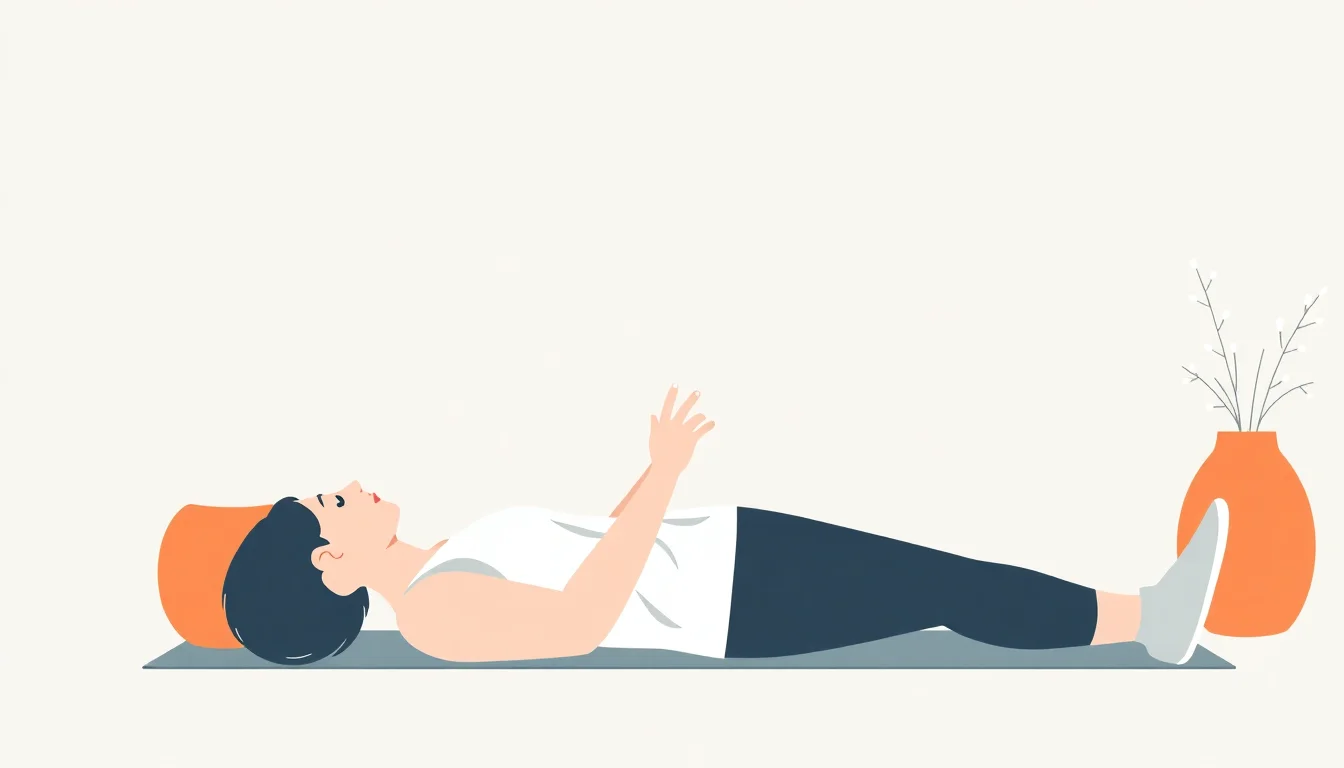
Recovery techniques after workouts encompass a broad spectrum of practices aimed at restoring the body's physiological and psychological equilibrium following strenuous physical activity. These methods range from passive rest and nutrition to active interventions like stretching, massage, and cryotherapy. The primary goal is to mitigate muscle damage, reduce inflammation, replenish energy stores, and prepare the body for subsequent training sessions or performances. While some techniques, such as adequate sleep and proper hydration, are universally accepted, others, like foam rolling or specific supplement regimens, remain subjects of ongoing scientific scrutiny and debate within the fitness community. The effectiveness of any given technique often depends on the type, intensity, and duration of the workout, as well as individual physiological responses and goals.
🎵 Origins & History
The concept of post-exercise recovery has roots stretching back to ancient Greece, where athletes understood the importance of rest between training bouts and competitions. The University of Birmingham and later the Australian Institute of Sport contributed to a more structured, evidence-based approach to recovery strategies, moving beyond anecdotal evidence and traditional practices.
⚙️ How It Works
Post-workout recovery operates on multiple physiological fronts. Muscle damage, characterized by micro-tears in muscle fibers, triggers an inflammatory response, leading to soreness and reduced function. Techniques like foam rolling and massage aim to improve blood flow, potentially aiding in the removal of metabolic byproducts and reducing muscle stiffness. Adequate sleep is paramount, as it's during deep sleep stages that the body releases human growth hormone, essential for tissue repair and muscle growth. Proper hydration is also fundamental, as dehydration can impair cellular function and slow recovery.
📊 Key Facts & Numbers
The effectiveness of any given technique often depends on the type, intensity, and duration of the workout, as well as individual physiological responses and goals.
👥 Key People & Organizations
Pioneers in sports science like Jack Daniels (not the whiskey founder, but the renowned running coach and physiologist) and Lou Schwab (a key figure in sports nutrition) have significantly shaped our understanding of recovery. Organizations such as the National Strength and Conditioning Association (NSCA) and the American College of Sports Medicine (ACSM) publish guidelines and conduct research that informs best practices. Companies like WHOOP and Garmin have developed wearable technology that quantifies recovery metrics, allowing individuals to personalize their strategies. Influential coaches and trainers, such as Pete Carroll of the Seattle Seahawks, have also championed specific recovery protocols within professional sports.
🌍 Cultural Impact & Influence
The cultural impact of recovery techniques is profound, transforming the perception of athletic preparation from mere training to a holistic discipline. What was once considered 'rest days' is now a structured, often high-tech, component of performance optimization. This has fueled a massive consumer market for recovery tools, from massage guns and compression boots to specialized supplements and recovery lounges. The rise of social media has amplified the visibility of these practices, with fitness influencers and professional athletes showcasing their recovery routines, normalizing practices like ice baths and cupping therapy for a broader audience. This cultural shift has also influenced workplace wellness programs, with some companies incorporating recovery-focused amenities.
⚡ Current State & Latest Developments
Current developments in recovery are increasingly driven by technology and personalized data. Wearable devices like Fitbit and Apple Watch are offering more sophisticated recovery scores based on heart rate variability, sleep patterns, and activity levels. The field of regenerative medicine is also exploring advanced techniques, such as platelet-rich plasma (PRP) therapy, for accelerated tissue repair, though its application is still largely clinical. Furthermore, there's a growing emphasis on mental recovery, with mindfulness and meditation apps becoming integrated into athlete support systems. The COVID-19 pandemic also spurred innovation in remote recovery monitoring and telehealth consultations with sports physiotherapists.
🤔 Controversies & Debates
The effectiveness and necessity of many popular recovery techniques remain subjects of intense debate. While sleep and nutrition are undisputed pillars, the efficacy of compression garments for objective physiological markers is debated. The use of supplements like creatine and beta-alanine is better supported, but the optimal timing and dosage for recovery are still being refined.
🔮 Future Outlook & Predictions
The future of workout recovery will likely be hyper-personalized, driven by AI and advanced biometric data. Expect to see more sophisticated algorithms that predict individual recovery needs based on genetics, training load, sleep quality, and even environmental factors. Biotechnology may offer novel therapeutic interventions, potentially moving beyond current stem cell therapies to more targeted molecular approaches. The integration of mental recovery will become even more seamless, with biofeedback mechanisms and virtual reality environments designed to optimize psychological restoration. Furthermore, as the understanding of the gut microbiome's role in inflammation and recovery grows, personalized probiotic and prebiotic interventions could become commonplace.
💡 Practical Applications
Recovery techniques are not just for elite athletes; they have broad practical applications for the general population. For individuals engaging in regular gym workouts, incorporating post-exercise stretching and adequate protein intake can reduce the risk of injury and improve workout consistency. For those recovering from physical therapy or injury, specific active recovery protocols can aid in regaining mobility and strength. Even for sedentary individuals starting a new fitness routine, understanding the importance of rest days and proper hydration can prevent burnout and foster long-term adherence. Many techniques, like yoga and mindfulness meditation, offer both physical and mental recovery benefits accessible to anyone.
Key Facts
- Category
- science
- Type
- topic