Post Colonialism
Unpacking the enduring echoes of empire in a 'post'-imperial world.
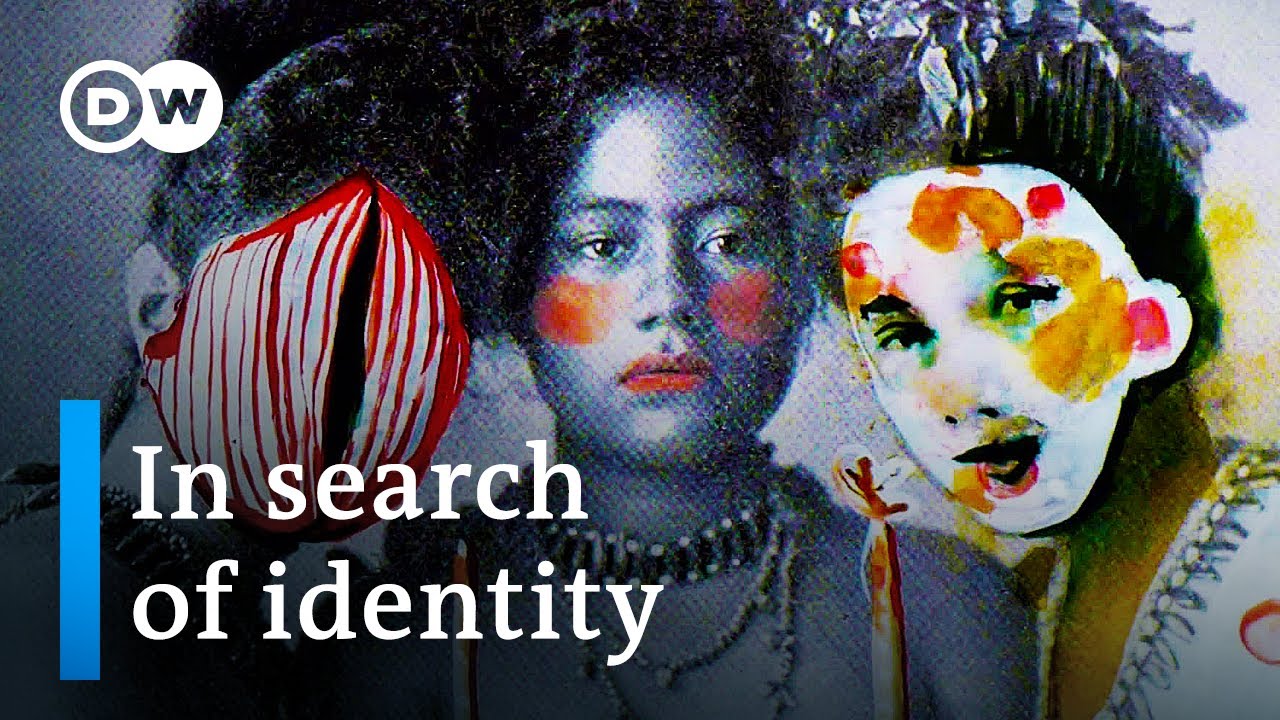
Postcolonial Europe: The significance of memory | DW Documentary
⚡ THE VIBE
✨Postcolonialism is a critical academic framework that examines the lasting political, economic, cultural, and psychological impacts of colonialism on societies and individuals. It scrutinizes the power structures, narratives, and identities forged in the crucible of imperial domination and its aftermath.
Imagine a world where the lines on the map were drawn by distant powers, where languages were imposed, resources extracted, and entire cultures deemed 'primitive.' Now, imagine those powers retreating, but the lines, the languages, the economic structures, and the mental frameworks remaining. That, in essence, is the fertile ground for Post Colonialism. It's not just about the historical fact of colonialism ending; it's about the profound, often insidious ways its shadow stretches across generations, influencing everything from national borders and trade policies to literature, identity, and even our understanding of 'progress.' It's a critical lens that asks: what truly comes 'after'?
This isn't just dusty history; it's a living, breathing discourse. Think about the global economy in 2026: who controls the narratives? Who dictates development models? Why do certain regions still struggle with instability or resource exploitation despite decades of 'independence'? Post Colonialism offers powerful tools to dissect these questions, moving beyond simplistic narratives of victimhood or triumph to explore the complex interplay of power, resistance, and hybridity. It challenges the very notion of a neutral or universal perspective, revealing how knowledge itself can be a colonial construct.
The movement gained significant traction from the mid-20th century onwards, fueled by the wave of decolonization across Africa, Asia, and the Caribbean. Thinkers like Frantz Fanon, Edward Said, Gayatri Chakravorty Spivak, and Homi Bhabha became foundational figures, dissecting the psychological impacts of colonization, the construction of the 'Orient' by the 'Occident,' and the challenges of forging new identities in the wake of imperial domination. They gave voice to the marginalized, revealing how the 'master's tools' often perpetuate the 'master's house,' even when wielded by the formerly colonized.
One of the most compelling aspects of Post Colonialism is its focus on cultural production. How do formerly colonized peoples reclaim their stories, languages, and artistic expressions? How do they navigate the hybrid spaces created by colonial encounters, blending indigenous traditions with imposed ones? From literature to film, music to fashion, this framework illuminates the vibrant, often defiant, ways cultures assert their agency and redefine themselves outside the colonial gaze. It's about finding the 'third space' where new meanings are forged, not simply erased or replicated.
While some critics argue that the term 'post' implies a clean break that hasn't truly occurred, the enduring relevance of Post Colonialism is undeniable. In an increasingly interconnected yet fractured world, understanding the historical roots of global inequalities, cultural misunderstandings, and geopolitical tensions is more crucial than ever. It's a call to critically examine our own perspectives, to decenter dominant narratives, and to recognize the ongoing struggles for self-determination and epistemic justice across the globe. It's about seeing the world not just as it is, but how it came to be, and how it might be reimagined.