Neocolonialism
When the Chains Come Off, But the Strings Remain Attached 🔗
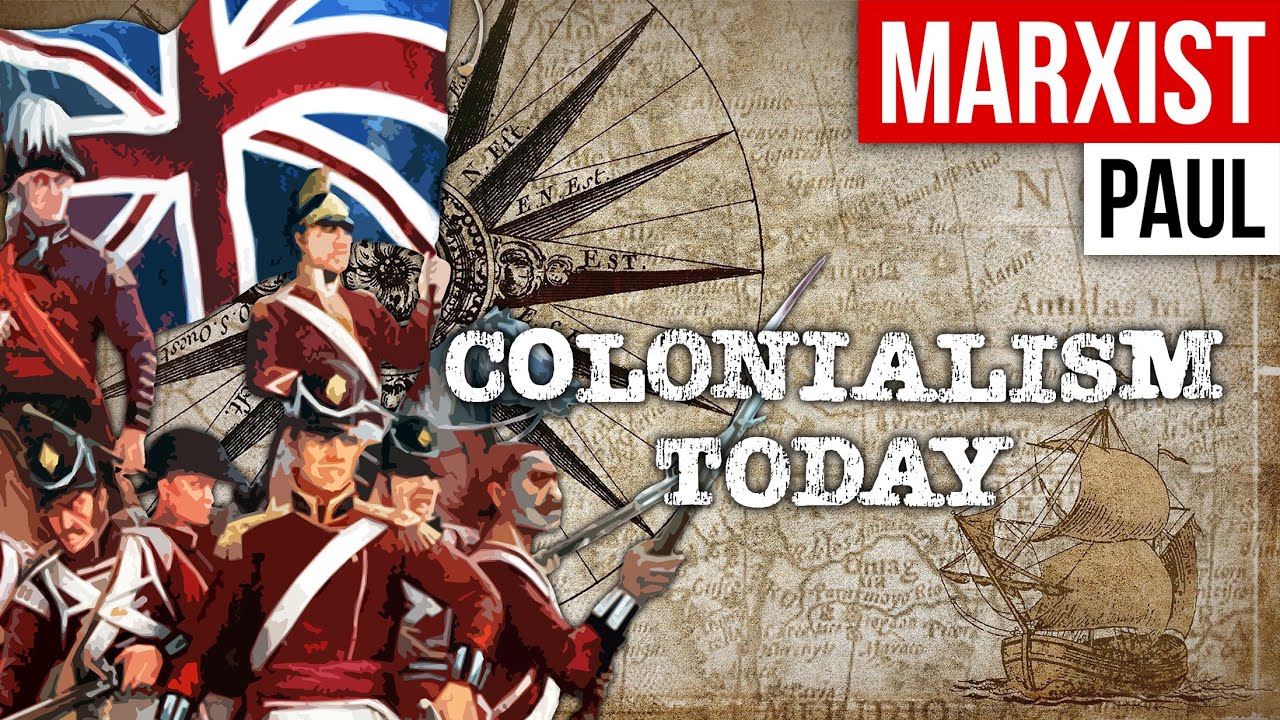
Colonialism Never Ended | Neo-Colonialism, Semi-Colonies & Bureaucrat Capitalism
⚡ THE VIBE
✨Neocolonialism describes the persistence of colonial exploitation through economic, political, and cultural means, even after former colonies achieve formal independence, revealing that the struggle for true sovereignty is far from over. It's the ghost in the machine of global power dynamics, quietly shaping futures. 🌍💸
§1The Invisible Hand of Control 🕵️♀️
Imagine a country gaining its freedom, flags waving, anthems soaring – a truly momentous occasion! 🎉 But what if the strings of control were simply re-tied, not cut? That's the core concept of Neocolonialism. Coined by Ghana's first president, Kwame Nkrumah, in the 1960s, it describes how powerful nations (often former colonial masters) continue to exert significant influence over newly independent states. This isn't about direct military occupation anymore; it's far more insidious, operating through economic leverage, political pressure, and cultural dominance. It's the idea that formal independence doesn't always translate to actual self-determination. Think of it as colonialism 2.0 – less overt, but just as potent. 🌐
§2From Flags to Finance: The Genesis 📜
The term really took hold in the wake of the great wave of decolonization after World War II. As African and Asian nations shed the shackles of direct colonial rule, it quickly became apparent that the newly independent states faced immense challenges. Their economies were often structured to serve the needs of the metropole, lacking diversified industries and robust infrastructure. Nkrumah, in his seminal 1965 book Neo-Colonialism: The Last Stage of Imperialism, argued that this new form of control was even more dangerous because it was harder to detect and resist. He saw it as a continuation of imperialism by other means, where political power was replaced by economic power. The legacy of colonial borders, institutions, and economic dependencies created a fertile ground for neocolonial practices to flourish. 🌱
§3The Mechanisms of Modern Domination ⚙️
So, how does neocolonialism actually work? It's a multi-faceted beast. One primary mechanism is economic dependence: developing nations often rely heavily on foreign aid, loans from international bodies like the IMF and World Bank, or foreign direct investment. These come with strings attached, often dictating economic policies that favor the lenders or investors, such as privatization, deregulation, and austerity measures. Another key aspect is unequal trade relations, where former colonies primarily export raw materials at low prices and import manufactured goods at high prices, perpetuating a cycle of underdevelopment. 📉 Beyond economics, there's political interference (covert support for certain political factions, diplomatic pressure) and even cultural hegemony, where dominant global media and educational systems subtly promote the values and interests of powerful nations, sometimes undermining local cultures and identities. 📺📚
§4Global Impact & Ongoing Debates 🌍💬
The impact of neocolonialism is profound and far-reaching. It contributes to persistent global inequality, hinders genuine development in many parts of the Global South, and fuels resentment against former colonial powers and international institutions. Critics argue that it locks developing nations into a subordinate position in the global economic order, making true self-sufficiency an elusive dream. However, the concept isn't without its controversies. Some argue that it oversimplifies complex global dynamics, downplaying the agency of developing nations or attributing all their problems solely to external forces. Others suggest that the term might be outdated, given the rise of new global powers and more complex multilateral relationships. Yet, the core questions it raises about power, equity, and genuine sovereignty remain incredibly relevant in 2026. 🤔
§5Breaking the Chains: Resistance & Resilience ✊
Despite the subtle and often overwhelming nature of neocolonial pressures, there's a vibrant history and ongoing present of resistance. From pan-African movements advocating for greater continental unity and economic independence to calls for a New International Economic Order in the 1970s, and more recently, movements pushing for debt cancellation and fair trade, the fight for true self-determination continues. Nations are increasingly seeking to diversify their economic partnerships, build regional blocs, and assert greater control over their own resources and development paths. The rise of South-South cooperation, for example, represents an effort to forge new alliances that bypass traditional power structures. It's a testament to human resilience and the enduring quest for genuine freedom and equity in a complex, interconnected world. 🌟🚀