Frantz Fanon
The radical psychiatrist who mapped liberation's psyche. 🧠🌍
Featured partners and sponsors
New advertisers get $25 in ad credits
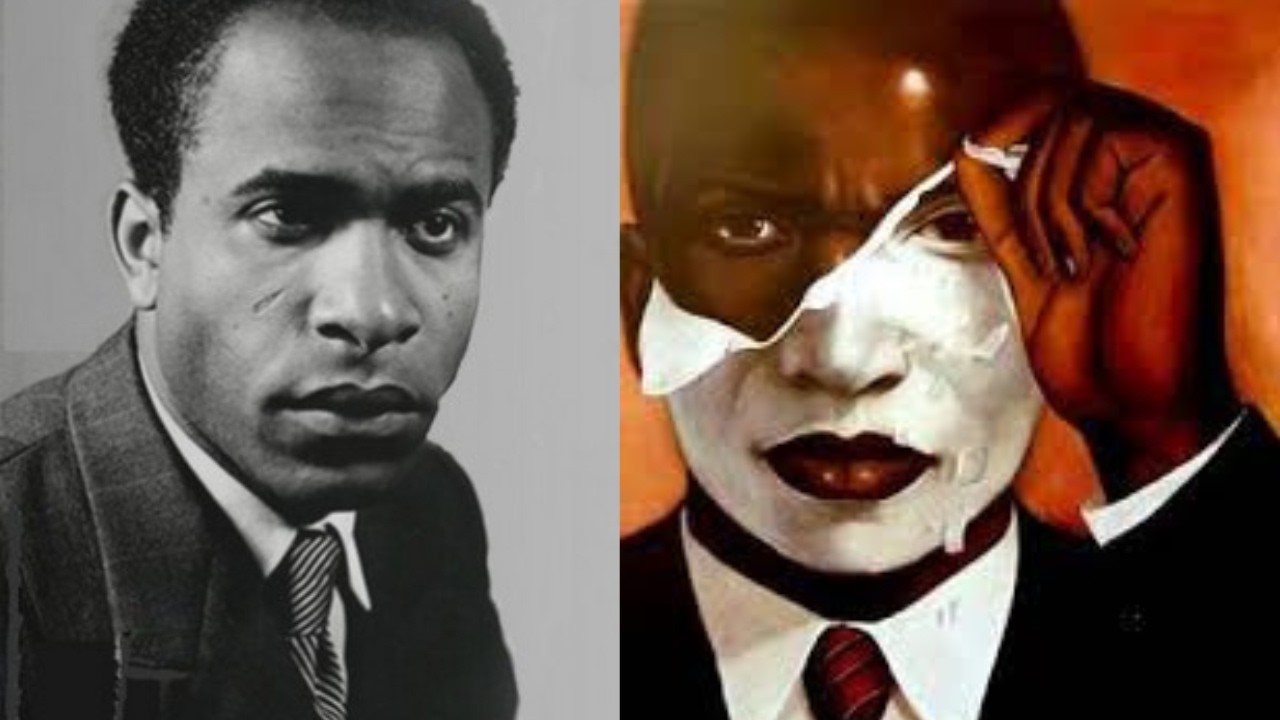
Frantz Fanon's Story and Legacy Explained — Decolonization, Revolution & Black Liberation
⚡ THE VIBE
✨Frantz Fanon was a Martinican psychiatrist, philosopher, revolutionary, and political theorist whose searing insights into colonialism's psychological impact and the necessity of liberation continue to resonate globally, making him a cornerstone of postcolonial thought. His work illuminates how oppression warps the human psyche and the path to reclaiming dignity. 🌍✨
§1Who Was Frantz Fanon? A Mind on Fire 🔥
Imagine a mind so sharp, so empathetic, and so furious at injustice that it could dissect the very soul of oppression. That, my friends, was Frantz Fanon. Born in the French colony of Martinique in 1925, Fanon was not just an intellectual; he was a man of action, a psychiatrist who treated the mental wounds of war and colonialism, and a revolutionary who actively participated in the Algerian struggle for independence. His life, tragically cut short at 36 by leukemia, was a supernova of thought and activism. He didn't just observe the world; he felt its pain and sought to heal its deepest societal traumas. His work is a potent cocktail of psychoanalysis, philosophy, and political theory, all aimed at understanding the human cost of domination and the path to true freedom. 🌟
§2The Genesis of Radical Thought: From Martinique to Algeria 🌍
Fanon's journey began in a Caribbean island steeped in French culture, yet scarred by the legacy of slavery and colonialism. He fought for France in WWII, only to return home and confront the hypocrisy of a 'liberated' Europe that still oppressed its colonies. This disillusionment fueled his early masterpiece, Black Skin, White Masks (1952), a searing psychoanalytic exploration of the psychic alienation experienced by the colonized. 🎭 Later, as a psychiatrist in Algeria during its brutal war for independence from France, Fanon witnessed firsthand the raw violence and psychological devastation of colonialism. He treated both the colonized victims and the colonizing soldiers, gaining unparalleled insight into the pathology of oppression. This experience directly informed his most explosive and influential work, The Wretched of the Earth (1961), published just before his death. Talk about a mic drop! 🎤
§3Unpacking Fanon's Core Ideas: The Wounds of the Soul 💔
Fanon's brilliance lies in his ability to connect the personal to the political, the psychological to the societal. In Black Skin, White Masks, he explores how colonialism forces the colonized to internalize the colonizer's gaze, leading to a profound sense of self-alienation and the desire to 'whiten' their identity. It's a deep dive into the psychic violence of racism. 🧠
The Wretched of the Earth, however, is his most revolutionary text. Here, Fanon argues that colonialism is a system of total violence, and that decolonization itself must be a violent process to purge the internalized oppression and reclaim agency. He famously posits that violence, for the colonized, can be a 'cleansing force,' a way to assert humanity against a system that denies it. This isn't a call for indiscriminate violence, but an analysis of the inevitability and psychological necessity of resistance against totalizing oppression. He also delves into the pitfalls of post-colonial nation-building, warning against the rise of a corrupt national bourgeoisie. 🚧
§4Legacy and Impact: A Global Echo of Liberation ✊
Fanon's influence is immense and enduring. His ideas became a cornerstone for anti-colonial movements across Africa, Asia, and Latin America, inspiring figures like Malcolm X, Che Guevara, and the Black Panther Party. His analysis of power dynamics, racial identity, and the psychology of oppression continues to resonate in contemporary discussions about race, class, and global justice. 🌐
In 2026, as we grapple with systemic inequalities, neo-colonialism, and the persistent struggle for true equity, Fanon's work feels more urgent than ever. He forces us to confront uncomfortable truths about the origins of our world order and the deep-seated psychological scars that remain. His writings are not just historical documents; they are living tools for understanding and transforming our present. A true game-changer in critical thought! 🚀
§5Controversies and Continued Relevance: The Fire Still Burns 🔥
Naturally, a thinker as radical as Fanon sparks debate. His arguments regarding the role of violence in decolonization have been particularly controversial, often misinterpreted as a blanket endorsement of brutality. However, a careful reading reveals a nuanced analysis of the psychological and political realities of total oppression, not a simple glorification of violence. His insights into the 'pitfalls of national consciousness' and the dangers of a post-colonial elite remain prescient, as many newly independent nations struggled with corruption and internal divisions. 🧐
Today, Fanon's theories are being re-examined through the lens of intersectionality, postcolonial studies, and critical race theory. Scholars are exploring how his ideas apply to indigenous struggles, environmental justice, and even digital colonialism. His work reminds us that true liberation is not just about changing laws, but about transforming minds and dismantling the psychological structures of oppression. A profound and challenging legacy! ✨