Pax Romana
Two centuries of Roman peace, power, and surprising prosperity.
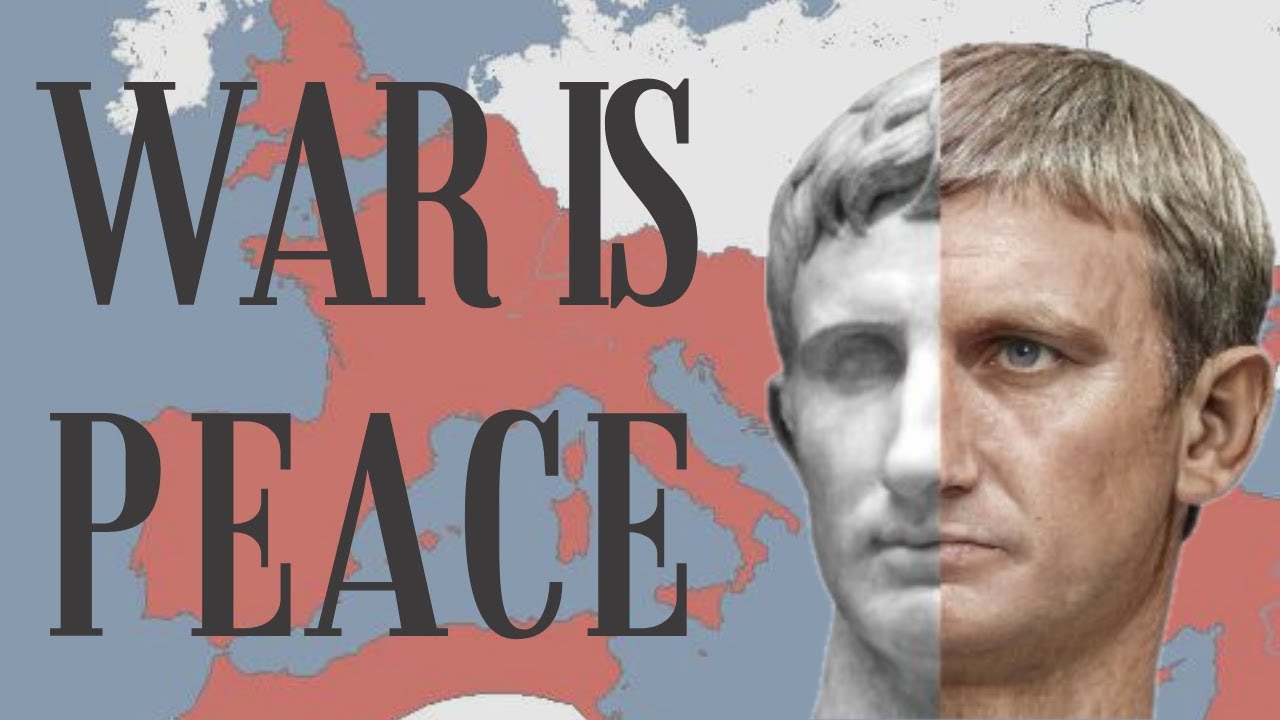
Debunking the Pax Romana: War, Rebellion, and the Reality of Empire
TL;DR
The Pax Romana, or 'Roman Peace,' was a remarkable period of relative peace and stability across the vast Roman Empire, lasting for over 200 years. It facilitated unprecedented cultural, economic, and political flourishing, laying foundational elements for Western civilization.
Imagine a world stretching from the scorching deserts of North Africa to the misty highlands of Britain, all united under one banner, one law, and for the most part, one peace. That, my friends, was the Pax Romana. Kicking off with the shrewd political maneuvering of Augustus Caesar in 27 BCE, this wasn't just an absence of war; it was a deliberate, meticulously engineered system of imperial control that brought an astonishing era of stability after centuries of civil strife and expansionist warfare. It was the ultimate rebranding, transforming a war-weary republic into a seemingly benevolent empire.
But let's be clear: 'peace' in the Roman sense didn't mean universal harmony. It meant the crushing of internal rebellions and the effective deterrence of external threats through overwhelming military might. The legions were ever-present, a constant reminder of Rome's dominion. This 'peace through strength' allowed for an unparalleled explosion of infrastructure – roads, aqueducts, bridges – that still awe us today. Trade routes flourished, connecting disparate regions and creating a truly globalized economy (for its time). Ideas, technologies, and cultures mingled and merged, forging a distinct Greco-Roman identity that would echo through millennia.
The Pax Romana wasn't just about roads and trade; it was a golden age for urban development. Cities like Rome, Alexandria, and Antioch became vibrant centers of learning, commerce, and entertainment. Public baths, theaters, circuses, and forums became commonplace, offering a quality of life that wouldn't be seen again in many parts of Europe for over a thousand years. Roman law, often considered one of humanity's greatest achievements, was codified and applied across the empire, providing a framework of justice and order, albeit one heavily biased towards Roman citizens.
This era saw the rise and fall of emperors, some brilliant, some tyrannical, but the underlying imperial machinery largely held steady. From Augustus's careful consolidation of power to the 'Five Good Emperors' who presided over the empire's zenith, the system proved remarkably resilient. It was a testament to Roman pragmatism and organizational genius. However, the seeds of future decline were also sown during this period, with the increasing reliance on a centralized bureaucracy and the immense cost of maintaining such a vast military presence.
The Pax Romana officially drew to a close around 180 CE with the death of Marcus Aurelius, the last of the 'Good Emperors,' ushering in a period of greater instability. Yet, its legacy is undeniable. It demonstrated the profound impact of centralized authority on societal development, the power of infrastructure to connect and unify, and the enduring influence of Roman law and culture. It's a prime example of how a dominant power can, for a time, impose a form of peace that, despite its inherent inequalities and occasional brutalities, fosters an environment for incredible human achievement. It's a vibe that still resonates in our modern discussions of global order and empire.
In 2026, as we grapple with new forms of global connectivity and geopolitical shifts, the Pax Romana serves as a fascinating historical mirror. It reminds us that 'peace' can be a complex, multifaceted concept, often built upon foundations of power and control. Understanding this era isn't just about ancient history; it's about grasping the deep roots of our own interconnected world and the enduring questions of governance, stability, and human progress.