
Contents
Overview
Wall Street's origins trace back to the 17th century when Dutch settlers established New Amsterdam. Initially, it was the site of a defensive wall, known in Dutch as "Het Cingel" ("the Belt"), constructed in 1653 to protect the settlement from potential attacks. This wall, made of dirt and wooden planks, stretched between the East and North Rivers. After the English took control in 1664 and renamed the settlement New York, the area continued to develop. By the late 17th century, the wall was dismantled, and the street that bore its name became a hub for commerce. Early in its history, it also served as a site for a slave market and later housed New York's city hall, which became Federal Hall. The Buttonwood Agreement of 1792, signed under a buttonwood tree on Wall Street, marked a pivotal moment, formalizing securities trading and laying the groundwork for the New York Stock Exchange, a key institution that would later be located on the street. The street's historical significance is deeply intertwined with the development of American finance, as documented by sources like Wikipedia and Britannica.
⚙️ How It Works
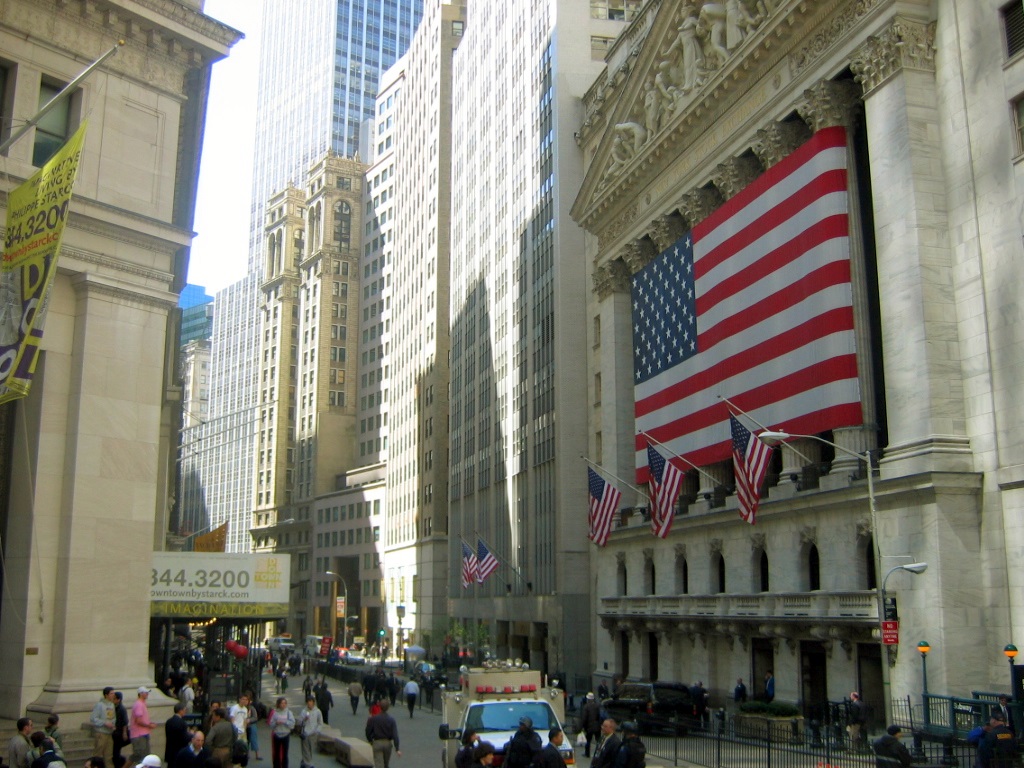
Today, Wall Street is synonymous with the U.S. financial system and is home to some of the world's most influential financial institutions. The New York Stock Exchange (NYSE), the world's largest stock exchange by market capitalization, is a prominent fixture on Wall Street. The Federal Reserve Bank of New York, major commercial banks, and numerous brokerage firms also have a significant presence in the Financial District. While the street itself is relatively short, extending about seven blocks from Broadway to the East River, its influence is global. The term "Wall Street" is often used as a metonym to represent the entire U.S. financial market, American financial services industry, or New York-based financial interests. Websites like Google.com and The Wall Street Journal provide extensive coverage of the financial activities that occur in this district.
🌍 Cultural Impact
Wall Street has transcended its physical location to become a powerful symbol in popular culture and public discourse. It represents both the allure of immense wealth and the potential for financial instability, as famously depicted in films like "Wall Street" (1987). The phrase "Wall Street" evokes images of high finance, investment banking, and the stock market, influencing perceptions of capitalism and economic inequality. The "Occupy Wall Street" movement in 2011 highlighted public concerns about economic disparity and corporate influence, demonstrating the street's enduring symbolic power. Discussions about Wall Street's impact can be found on platforms like Reddit and in publications such as The Wall Street Journal.
🔮 Legacy & Future
The legacy of Wall Street is one of continuous evolution and global economic influence. As the financial capital of the United States, it remains a critical center for capital formation, trading, and investment. While the nature of finance continues to change with technological advancements and new market dynamics, Wall Street's symbolic importance endures. It continues to be a focal point for news, analysis, and debate on economic policy and market trends, with organizations like the NYSE and publications like The Wall Street Journal playing key roles in shaping its narrative. The future of Wall Street will likely involve adapting to new technologies and global economic shifts, while retaining its historical significance as a symbol of financial power.
Key Facts
- Year
- 17th century - Present
- Origin
- New York City, United States
- Category
- history
- Type
- place
Frequently Asked Questions
What is Wall Street?
Wall Street refers to both a physical street in the Financial District of Lower Manhattan, New York City, and figuratively to the U.S. financial markets and the American financial services industry. It is a global symbol of high finance and investment.
What is the history behind the name "Wall Street"?
The name originates from a defensive wall built by Dutch settlers in 1653 to protect New Amsterdam (now New York City) from potential attacks. This wall was later dismantled, and the street that developed on its site became known as Wall Street.
What major financial institutions are located on Wall Street?
Key institutions include the New York Stock Exchange (NYSE), the Federal Reserve Bank of New York, major commercial banks, and numerous brokerage firms. The Financial District, centered around Wall Street, is a hub for global finance.
How has Wall Street influenced culture?
Wall Street has become a powerful cultural symbol, representing both immense wealth and the potential for financial crises. It has been depicted in numerous films, literature, and protests, often serving as a focal point for discussions on capitalism, economic inequality, and corporate power.
What is the significance of the Buttonwood Agreement?
Signed in 1792 under a buttonwood tree on Wall Street, this agreement was a foundational pact among 24 stockbrokers and merchants to formalize securities trading. It laid the groundwork for the establishment of the New York Stock Exchange.