
Contents
- 🎵 Origins & History
- ⚙️ How It Worked: Regulation & Innovation
- 📊 Key Facts & Numbers
- 👥 Key People & Organizations
- 🌍 Cultural Impact & Influence
- ⚡ Current State & Latest Developments
- 🤔 Controversies & Debates
- 🔮 Future Outlook & Predictions
- 💡 Practical Applications
- 📚 Related Topics & Deeper Reading
- Frequently Asked Questions
- References
- Related Topics
Overview
The National Association of Securities Dealers (NASD) was a self-regulatory organization (SRO) established in 1939 under the Maloney Act amendments to the Securities Exchange Act of 1934. Its primary mission was to regulate the over-the-counter (OTC) market, ensuring ethical conduct and investor protection among its member broker-dealers. NASD's most enduring legacy is the creation of the Nasdaq Stock Market in 1971, which revolutionized securities trading by introducing the first fully electronic stock exchange. For decades, NASD operated as both a regulator and the parent of a major exchange, a dual role that eventually led to its restructuring. In 2007, NASD merged its regulatory operations with the New York Stock Exchange's member regulation, forming the Financial Industry Regulatory Authority (FINRA), while its market operations continued under the Nasdaq banner, marking the end of NASD as a distinct entity but solidifying its historical impact on global financial markets.
🎵 Origins & History
The National Association of Securities Dealers (NASD) didn't just appear; it was born from the ashes of the 1929 stock market crash and the subsequent legislative push for greater transparency and investor protection. Specifically, the Maloney Act of 1938, an amendment to the Securities Exchange Act of 1934, authorized the creation of self-regulatory organizations (SROs) for the over-the-counter (OTC) market. NASD was officially registered with the U.S. Securities and Exchange Commission (SEC) in 1939, becoming the first such SRO. Its initial mandate was to establish and enforce rules of fair practice, conduct examinations of member firms, and discipline those who violated regulations, essentially bringing order to the previously chaotic OTC trading environment.
⚙️ How It Worked: Regulation & Innovation
NASD's operational model was unique, blending regulatory oversight with market innovation. As a self-regulatory organization, it developed and enforced rules for its member broker-dealers, covering everything from sales practices to financial reporting, under the ultimate authority of the SEC. However, its most significant 'how it worked' moment came on February 8, 1971, with the launch of the Nasdaq Stock Market. This was the world's first electronic stock market, replacing the traditional, floor-based trading model with a computerized network that displayed real-time bid and ask prices from multiple market makers. This technological leap dramatically increased efficiency, transparency, and liquidity in the OTC market, allowing investors to see competitive quotes instantly, a stark contrast to the manual phone calls and negotiations that characterized pre-Nasdaq trading.
📊 Key Facts & Numbers
At its peak, NASD regulated approximately 5,100 brokerage firms and 660,000 registered securities professionals across the United States. The Nasdaq Stock Market, which NASD launched in 1971, grew to become the second-largest stock exchange globally by market capitalization, boasting over 4,000 listed companies by December 31, 2024. In 2006, the NASD's total operating revenues were around $1.4 billion, with its regulatory arm overseeing billions of transactions daily. The merger that created FINRA in 2007 combined NASD's 2,400 employees with the NYSE's member regulation staff, forming a regulatory body responsible for over 4,000 firms and 650,000 brokers.
👥 Key People & Organizations
The story of NASD is intertwined with several key figures and organizations. Gordon Macklin, often considered the 'father of Nasdaq,' served as NASD's president from 1964 to 1987 and was instrumental in conceptualizing and launching the electronic exchange. The U.S. Securities and Exchange Commission (SEC), under figures like William O. Douglas in its early days, provided the legislative framework and oversight that allowed NASD to exist and operate. Post-merger, Richard G. Ketchum became the first CEO of FINRA, guiding the integration of NASD's regulatory functions. Of course, the Nasdaq, Inc. itself, the parent company that emerged from NASD's market operations, remains a global financial powerhouse, currently led by Adena Friedman.
🌍 Cultural Impact & Influence
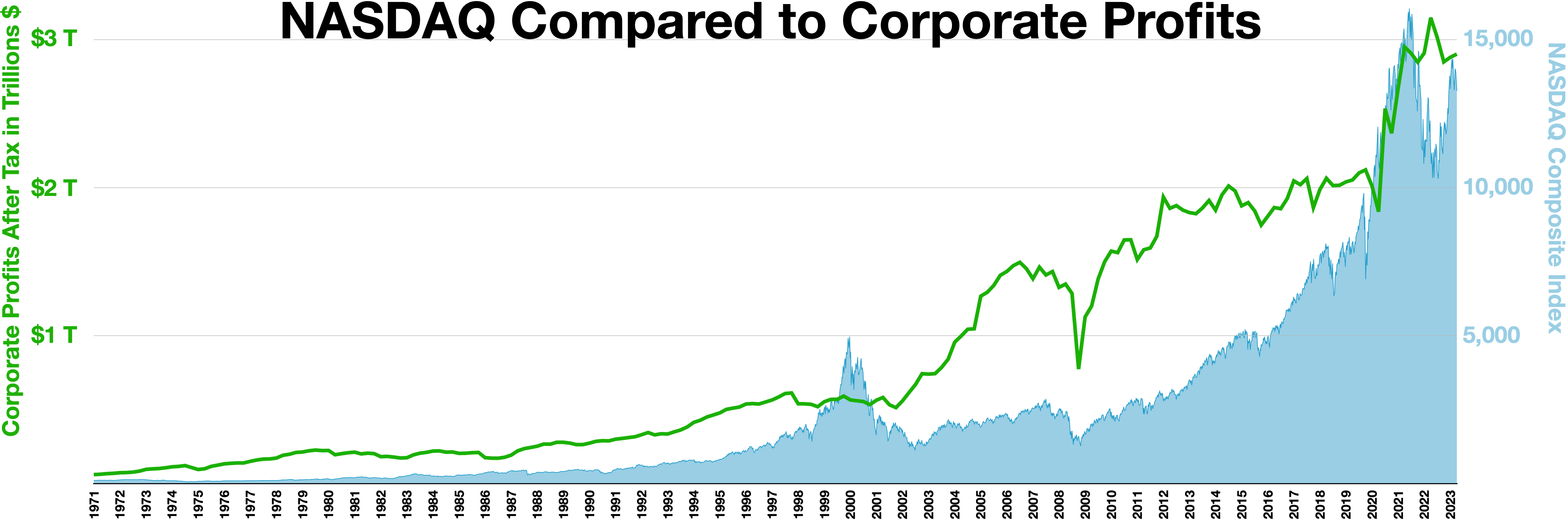
NASD's cultural impact is largely felt through its progeny, the Nasdaq Stock Market, which fundamentally reshaped how the world views and conducts securities trading. Before Nasdaq, the image of a stock market was the chaotic trading floor of the NYSE; after, it became a network of computers. This shift democratized access to market information and fostered the growth of the technology sector, as companies like Microsoft, Apple, and Intel found a home on Nasdaq, symbolizing innovation and future-forward investment. The very idea of 'electronic trading' and 'high-frequency trading' owes its existence to the foundational work done by NASD in the 1970s, influencing everything from algorithmic trading to the rise of fintech startups.
⚡ Current State & Latest Developments
As of 2024, the National Association of Securities Dealers (NASD) no longer exists as a distinct entity. Its regulatory functions were absorbed into the Financial Industry Regulatory Authority (FINRA) in 2007, which continues to serve as the primary self-regulatory organization for broker-dealers in the United States. Meanwhile, its market operations evolved into the independent, publicly traded company Nasdaq, Inc., which operates the Nasdaq Stock Market and numerous other exchanges and financial technology services globally. This split allowed for a clearer separation between market operation and market regulation, addressing long-standing concerns about potential conflicts of interest. FINRA, now led by CEO Robert W. Cook, remains a critical component of the U.S. financial regulatory landscape, adapting its rules to new technologies like cryptocurrency and AI in finance.
🤔 Controversies & Debates
The dual role of NASD as both a market operator and a regulator was a persistent source of controversy. Critics, including some members of the U.S. Congress and investor advocates, argued that this structure created inherent conflicts of interest, where the organization might prioritize the commercial interests of its exchange over its regulatory duties to protect investors. This tension was a significant driver behind the 2007 merger that created FINRA, which explicitly separated the regulatory arm from the market operations now under Nasdaq, Inc.. Another debate centered on the effectiveness of self-regulation versus direct government oversight by the SEC, a discussion that continues to resurface during periods of market instability or scandal, such as the 2008 financial crisis.
🔮 Future Outlook & Predictions
The legacy of NASD, particularly through FINRA and Nasdaq, Inc., points towards a future of increasingly automated and globally interconnected financial markets. We can expect FINRA to continue adapting its regulatory frameworks to address emerging technologies like decentralized finance (DeFi) and the growing complexity of cybersecurity threats. Nasdaq, Inc., meanwhile, is likely to expand its reach in financial technology and data services, potentially leveraging artificial intelligence and blockchain to enhance trading efficiency and market surveillance. The ongoing challenge will be to balance innovation with robust investor protection, a tension that NASD grappled with throughout its existence and that its successors continue to navigate in a rapidly evolving financial landscape.
💡 Practical Applications
NASD's practical applications were twofold: providing a regulatory framework for broker-dealers and establishing an efficient marketplace for securities. Its rules governed how brokers interacted with clients, ensuring suitability of investments and transparency in transactions, directly impacting millions of individual investors. The Nasdaq Stock Market, its most famous creation, provided a vital capital-raising platform for thousands of companies, particularly those in the burgeoning technology and growth sectors. This allowed startups to access public funding, fueling innovation and job creation, and offered investors access to a diverse range of companies that might not have met the listing requirements of older, more established exchanges like the NYSE.
Key Facts
- Year
- 1939-2007
- Origin
- United States
- Category
- history
- Type
- organization
Frequently Asked Questions
What was the primary purpose of the National Association of Securities Dealers (NASD)?
The NASD's primary purpose, established in 1939 under the Maloney Act, was to regulate the over-the-counter (OTC) securities market in the United States. It acted as a self-regulatory organization (SRO) for its member broker-dealers, enforcing rules of fair practice, conducting examinations, and disciplining firms to protect investors and maintain market integrity. This oversight was crucial for bringing order to a segment of the financial market that was previously less regulated than exchange-traded securities, directly impacting thousands of firms and hundreds of thousands of brokers.
How did NASD contribute to the modernization of financial markets?
NASD's most significant contribution to market modernization was the creation and launch of the Nasdaq Stock Market on February 8, 1971. Nasdaq was the world's first fully electronic stock exchange, replacing manual trading with a computerized network that displayed real-time bid and ask prices. This innovation dramatically increased market efficiency, transparency, and liquidity, paving the way for the digital trading systems that dominate global finance today. It also provided a vital platform for growth companies, particularly in the technology sector, to raise capital.
Why did NASD cease to exist as a standalone entity?
NASD ceased to exist as a standalone entity in 2007 due to a restructuring aimed at resolving long-standing concerns about conflicts of interest. Its regulatory functions merged with the member regulation operations of the New York Stock Exchange to form the Financial Industry Regulatory Authority (FINRA). This separation allowed FINRA to focus solely on broker-dealer regulation, while NASD's market operations continued independently as Nasdaq, Inc., operating the Nasdaq Stock Market and other exchanges. This move was seen as a way to enhance regulatory effectiveness and market fairness.
What is the relationship between NASD, Nasdaq, and FINRA?
NASD was the parent organization that created the Nasdaq Stock Market in 1971 and also served as the primary regulator for broker-dealers. In 2007, NASD underwent a significant transformation: its regulatory arm merged with the New York Stock Exchange's member regulation to become the Financial Industry Regulatory Authority (FINRA), which now oversees all U.S. broker-dealers. Meanwhile, NASD's market operations, including the Nasdaq Stock Market, spun off to become Nasdaq, Inc., an independent, publicly traded company. So, NASD is the historical precursor to both FINRA (its regulatory successor) and Nasdaq, Inc. (its market operations successor).
What kind of companies were typically listed on the Nasdaq Stock Market when it was part of NASD?
When the Nasdaq Stock Market was part of NASD, it became known as the primary listing venue for innovative, growth-oriented companies, particularly those in the technology sector. Early listings included giants like Microsoft, Apple, and Intel, which found Nasdaq's electronic, dealer-based market more accommodating than the traditional auction-based systems of older exchanges. This focus on technology and growth companies distinguished Nasdaq from the more established New York Stock Exchange, which historically listed larger, more industrial firms, and contributed significantly to the tech boom of the late 20th century.
How did NASD's regulatory role impact individual investors?
NASD's regulatory role directly impacted individual investors by setting and enforcing standards of conduct for broker-dealers and their registered representatives. These rules covered areas like suitability (ensuring investments recommended were appropriate for the client), disclosure of fees and risks, and ethical sales practices. Through its examination programs and disciplinary actions, NASD aimed to prevent fraud and misconduct, providing a layer of protection for investors engaging with the securities market. The existence of a self-regulatory body like NASD, and now FINRA, means that there is an industry-specific mechanism for addressing investor complaints and enforcing professional standards beyond direct government intervention.
What were the key legislative acts that led to the creation of NASD?
The creation of NASD was primarily driven by the Securities Exchange Act of 1934, which established the U.S. Securities and Exchange Commission (SEC) and provided the framework for regulating securities markets. Crucially, the Maloney Act of 1938, an amendment to the 1934 Act, specifically authorized the formation of self-regulatory organizations (SROs) for the over-the-counter market. This legislative mandate allowed for the registration of NASD in 1939, empowering it to establish and enforce rules of fair practice among its member broker-dealers, thereby bringing organized regulation to a previously fragmented market segment.