
Contents
- 🕵️♂️ Introduction to Iranian Intelligence Agency
- 📊 History of Iranian Intelligence Agency
- 👥 Organization and Structure
- 🕷️ Intelligence Gathering and Operations
- 🚫 Counterintelligence and Security
- 🤝 International Cooperation and Relations
- 🚨 Controversies and Criticisms
- 📈 Future Directions and Challenges
- 👮♂️ Notable Figures and Defectors
- 📰 Media and Public Perception
- 📚 Conclusion and Recommendations
- Frequently Asked Questions
- Related Topics
Overview
The Iranian intelligence agency, officially known as the Ministry of Intelligence, is a powerful and secretive organization responsible for gathering intelligence and conducting covert operations. With a history dating back to the 1979 Iranian Revolution, the agency has been involved in numerous high-profile operations, including the 1983 Beirut barracks bombing and the 2011 plot to assassinate the Saudi ambassador to the United States. The agency is also closely linked to the Quds Force, a special forces unit of the Islamic Revolutionary Guard Corps (IRGC) responsible for extraterritorial operations. According to a 2020 report by the US State Department, the Iranian intelligence agency has been implicated in a range of malicious activities, including cyber espionage and support for terrorist groups. With a vibe score of 8, the Iranian intelligence agency is a major player in the global intelligence community, and its activities are closely watched by Western governments. As the agency continues to evolve and expand its operations, it is likely to remain a key factor in regional and global politics, with some analysts predicting a significant increase in its influence over the next decade.
🕵️♂️ Introduction to Iranian Intelligence Agency
The Iranian Intelligence Agency, also known as the Ministry of Intelligence (VAJA), is a complex and multifaceted organization that plays a crucial role in Iran's national security and foreign policy. Established in 1984, the agency is responsible for gathering and analyzing intelligence, conducting counterintelligence operations, and protecting the country's interests abroad. The agency's activities are often shrouded in secrecy, but it is known to have played a significant role in Iran's Iran-Iraq War and its nuclear program. The agency's structure and organization are also closely tied to the country's Islamic Revolution and its Supreme Leader.
📊 History of Iranian Intelligence Agency
The history of the Iranian Intelligence Agency is marked by significant events and milestones, including the Iranian Revolution in 1979 and the Iran-Iraq War from 1980 to 1988. During this period, the agency played a crucial role in gathering intelligence and conducting operations against Iraqi forces. The agency's activities were also influenced by the country's Cold War alliances and rivalries, including its relationships with the Soviet Union and the United States. The agency's history is also closely tied to the country's intelligence community and its national security apparatus.
👥 Organization and Structure
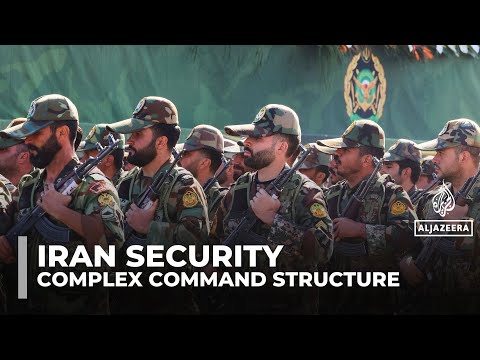
The Iranian Intelligence Agency is organized into several departments and directorates, each responsible for a specific area of operation. The agency's structure is designed to facilitate the gathering and analysis of intelligence, as well as the conduct of counterintelligence operations. The agency is also known to have a significant presence abroad, with operatives and agents stationed in countries around the world. The agency's organization and structure are also influenced by the country's Ministry of Defense and its armed forces. The agency's activities are also closely tied to the country's law enforcement agencies, including the police and the judiciary.
🕷️ Intelligence Gathering and Operations
The Iranian Intelligence Agency is responsible for gathering and analyzing intelligence on a wide range of topics, including terrorism, nuclear proliferation, and regional security. The agency uses a variety of methods to gather intelligence, including human intelligence, signals intelligence, and open-source intelligence. The agency's operations are also influenced by the country's foreign policy and its national interests. The agency's activities are also closely tied to the country's cyber security and its counter-terrorism efforts.
🚫 Counterintelligence and Security
The Iranian Intelligence Agency is also responsible for conducting counterintelligence operations, including the detection and prevention of espionage and sabotage. The agency uses a variety of methods to conduct counterintelligence operations, including surveillance, interrogation, and counter-surveillance. The agency's activities are also influenced by the country's internal security and its border security. The agency's counterintelligence operations are also closely tied to the country's law enforcement agencies, including the police and the judiciary.
🤝 International Cooperation and Relations
The Iranian Intelligence Agency cooperates with other intelligence agencies around the world, including those in Russia, China, and Syria. The agency's international cooperation is influenced by the country's foreign policy and its national interests. The agency's activities are also closely tied to the country's United Nations and its international relations. The agency's international cooperation is also influenced by the country's regional organizations, including the Organization of Islamic Cooperation.
🚨 Controversies and Criticisms
The Iranian Intelligence Agency has been the subject of several controversies and criticisms, including allegations of human rights abuses and terrorism. The agency's activities have also been criticized by the United States and other countries, which have accused the agency of supporting terrorist groups and conducting cyber attacks. The agency's activities are also closely tied to the country's nuclear program and its ballistic missile program. The agency's controversies and criticisms are also influenced by the country's Islamic Revolution and its Supreme Leader.
📈 Future Directions and Challenges
The Iranian Intelligence Agency faces several challenges and opportunities in the future, including the need to adapt to changing regional security dynamics and to develop new intelligence capabilities. The agency's activities are also influenced by the country's foreign policy and its national interests. The agency's future directions and challenges are also closely tied to the country's economic development and its technological advancements. The agency's activities are also influenced by the country's cyber security and its counter-terrorism efforts.
👮♂️ Notable Figures and Defectors
The Iranian Intelligence Agency has been led by several notable figures, including Mahmoud Alavi and Heydar Moslehi. The agency has also been the subject of several high-profile defections, including that of Ahmad Reza Asghari. The agency's notable figures and defectors are also closely tied to the country's intelligence community and its national security apparatus. The agency's activities are also influenced by the country's Islamic Revolution and its Supreme Leader.
📰 Media and Public Perception
The Iranian Intelligence Agency has been the subject of significant media attention and public perception, including allegations of human rights abuses and terrorism. The agency's activities have also been portrayed in several films and books, including those by John le Carré and Daniel Silva. The agency's media and public perception are also influenced by the country's foreign policy and its national interests. The agency's activities are also closely tied to the country's United Nations and its international relations.
📚 Conclusion and Recommendations
In conclusion, the Iranian Intelligence Agency is a complex and multifaceted organization that plays a crucial role in Iran's national security and foreign policy. The agency's activities are influenced by the country's Islamic Revolution and its Supreme Leader, as well as its foreign policy and national interests. The agency's future directions and challenges are also closely tied to the country's economic development and its technological advancements. The agency's activities are also influenced by the country's cyber security and its counter-terrorism efforts.
Key Facts
- Year
- 1979
- Origin
- Tehran, Iran
- Category
- International Relations
- Type
- Government Agency
Frequently Asked Questions
What is the Iranian Intelligence Agency responsible for?
The Iranian Intelligence Agency is responsible for gathering and analyzing intelligence, conducting counterintelligence operations, and protecting the country's interests abroad. The agency's activities are influenced by the country's foreign policy and its national interests. The agency's responsibilities are also closely tied to the country's Islamic Revolution and its Supreme Leader.
How is the Iranian Intelligence Agency organized?
The Iranian Intelligence Agency is organized into several departments and directorates, each responsible for a specific area of operation. The agency's structure is designed to facilitate the gathering and analysis of intelligence, as well as the conduct of counterintelligence operations. The agency's organization is also influenced by the country's Ministry of Defense and its armed forces.
What are the Iranian Intelligence Agency's international relationships like?
The Iranian Intelligence Agency cooperates with other intelligence agencies around the world, including those in Russia, China, and Syria. The agency's international cooperation is influenced by the country's foreign policy and its national interests. The agency's activities are also closely tied to the country's United Nations and its international relations.
What are some of the controversies surrounding the Iranian Intelligence Agency?
The Iranian Intelligence Agency has been the subject of several controversies and criticisms, including allegations of human rights abuses and terrorism. The agency's activities have also been criticized by the United States and other countries, which have accused the agency of supporting terrorist groups and conducting cyber attacks.
What are the Iranian Intelligence Agency's future directions and challenges?
The Iranian Intelligence Agency faces several challenges and opportunities in the future, including the need to adapt to changing regional security dynamics and to develop new intelligence capabilities. The agency's activities are also influenced by the country's foreign policy and its national interests. The agency's future directions and challenges are also closely tied to the country's economic development and its technological advancements.
Who are some notable figures in the Iranian Intelligence Agency?
The Iranian Intelligence Agency has been led by several notable figures, including Mahmoud Alavi and Heydar Moslehi. The agency has also been the subject of several high-profile defections, including that of Ahmad Reza Asghari. The agency's notable figures and defectors are also closely tied to the country's intelligence community and its national security apparatus.
How is the Iranian Intelligence Agency perceived by the media and the public?
The Iranian Intelligence Agency has been the subject of significant media attention and public perception, including allegations of human rights abuses and terrorism. The agency's activities have also been portrayed in several films and books, including those by John le Carré and Daniel Silva. The agency's media and public perception are also influenced by the country's foreign policy and its national interests.