Divine Right Of Kings
When earthly power claimed a direct hotline to the heavens 👑✨
Featured partners and sponsors
New advertisers get $25 in ad credits
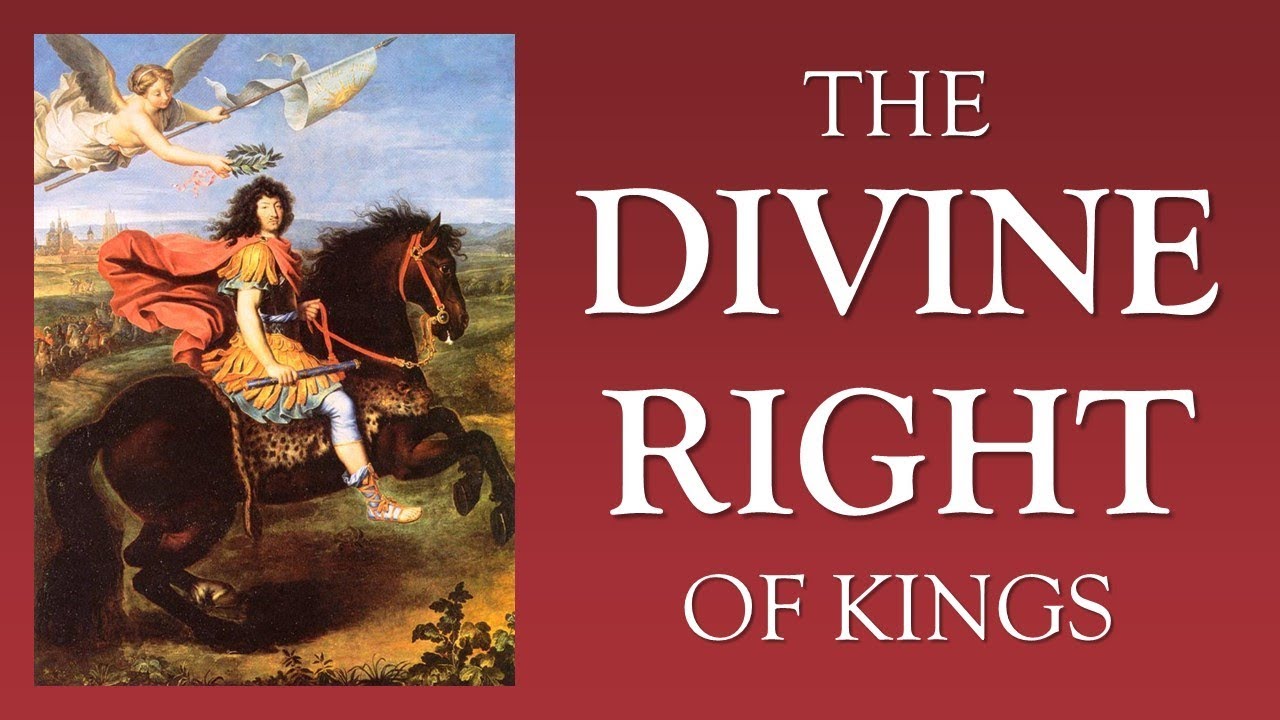
The Divine Right of Kings (Bossuet, James I, Louis XIV)
⚡ THE VIBE
✨The **Divine Right of Kings** was a powerful political and religious doctrine that asserted monarchs derived their authority directly from God, making them accountable only to the divine, not to their subjects or any earthly institution. It was the ultimate 'because God said so' for absolute power, shaping centuries of European governance and sparking revolutions.
§1The Crown's Divine Mandate 📜
Imagine a time when a king wasn't just a ruler, but God's chosen representative on Earth, his every command echoing a divine decree. That's the essence of the Divine Right of Kings doctrine, a concept that profoundly shaped European politics, religion, and society for centuries. It wasn't merely a claim to power; it was a theological justification for absolute monarchy, positing that any attempt to depose, restrict, or even question a monarch was an act of sacrilege against God himself. This belief imbued kings with an almost sacred aura, making their persons inviolable and their authority unquestionable. It was a potent tool for consolidating power, especially during periods of religious upheaval and the rise of nation-states. Think of it as the ultimate 'get out of jail free' card for absolute rule! 🃏
§2From Ancient Roots to Royal Absolutism 🌱
While the explicit term 'Divine Right of Kings' gained prominence in the 16th and 17th centuries, its roots stretch back much further. Concepts of rulers being divinely appointed or having sacred lineage can be found in ancient civilizations, from Egyptian pharaohs to Roman emperors and even early medieval European kings who were anointed by the Church. However, the doctrine truly crystallized during the Reformation and Counter-Reformation. As papal authority waned and national churches emerged, monarchs sought new sources of legitimacy. Thinkers like Jean Bodin and Jacques-Bénigne Bossuet became its chief proponents, arguing that God directly selected kings, making their rule absolute and hereditary. This wasn't just about power; it was about stability in a turbulent age, providing a clear, unassailable line of authority. It was a direct counter to emerging ideas of popular sovereignty and contractual government, setting the stage for epic clashes. ⚔️
§3How It Worked (and Why It Mattered) 👑
The Divine Right doctrine functioned as the ideological bedrock for absolute monarchy. It implied several critical points: first, that a king's authority was sacred and inviolable; second, that his power was paternal, meaning he acted as a father to his people, guiding them for their own good (even if they didn't always agree); third, that his power was absolute, subject to no earthly checks or balances; and finally, that any rebellion against him was not just treason, but a sin against God. This meant no parliament, no church, and no popular uprising could legitimately challenge a king's rule. 🚫 This allowed monarchs like Louis XIV of France, the 'Sun King,' to famously declare 'L'État, c'est moi' ('I am the State'), embodying the very essence of this philosophy. It provided a powerful framework for nation-building, centralizing power, and reducing internal strife, at least in theory. In practice, it often led to tyranny and eventually, revolution. 💥
§4The Unraveling: Enlightenment, Revolutions, and Legacy 💡
The Divine Right of Kings, for all its theological weight, couldn't withstand the intellectual currents of the Enlightenment and the rising tide of popular dissent. Philosophers like John Locke and Jean-Jacques Rousseau championed ideas of natural rights, social contracts, and government by consent of the governed, directly challenging the notion of divinely ordained rulers. The Glorious Revolution in England (1688), the American Revolution (1775-1783), and most dramatically, the French Revolution (1789-1799) were all direct repudiations of the Divine Right. The execution of Charles I in England and Louis XVI in France were symbolic acts that severed the perceived divine link between monarch and God, ushering in an era where sovereignty increasingly resided with the people. While the doctrine largely faded from political discourse, its echoes can still be seen in constitutional monarchies where heads of state retain symbolic religious titles, and in some modern authoritarian regimes that claim a unique, almost sacred, mandate to rule. It reminds us how deeply intertwined religion and power once were. 🌍
§5Further Exploration & Resources 📚
To truly grasp the impact of the Divine Right of Kings, dive into the primary sources and historical analyses. Understanding the political and religious context of 17th-century Europe is key. You can explore the writings of its proponents and critics, and examine how different nations adapted (or rejected) the concept. For academic resources, consider university libraries and historical archives. 🏛️
- Online Resources:
- Academic Institutions:
This doctrine, though largely obsolete, remains a fascinating case study in the evolution of political thought and the enduring human quest for legitimate authority. What other ancient justifications for power still influence our world today? 🤔