Louis XIV: The Sun King
The monarch who made absolute power shine brighter than any star 👑✨
Featured partners and sponsors
New advertisers get $25 in ad credits
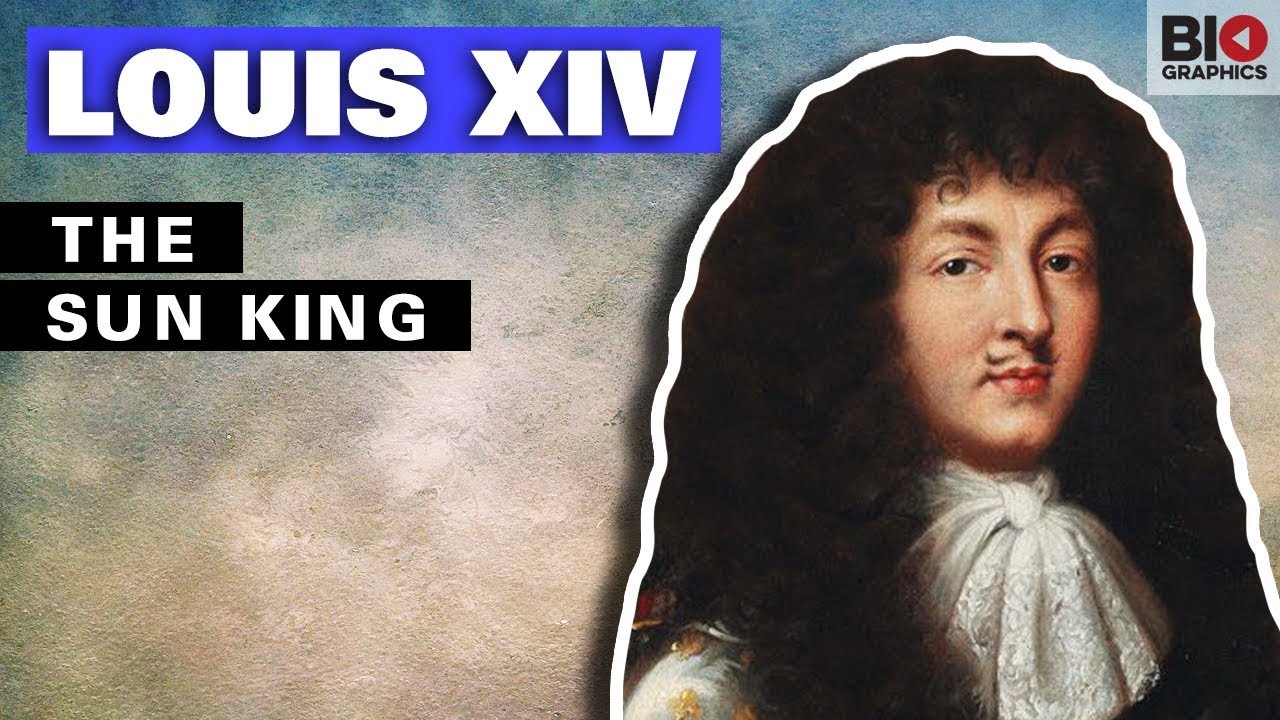
Louis XIV: The Sun King
⚡ THE VIBE
✨Louis XIV, known as the **Sun King**, reigned for an astonishing 72 years, becoming the ultimate symbol of absolute monarchy and transforming France into the dominant cultural and political power in Europe. His legacy is a complex tapestry of dazzling art, relentless warfare, and centralized power that still resonates today. ☀️
§1The Dawn of Absolute Power 🌅
Born Louis Dieudonné (meaning 'God-given') in 1638, Louis XIV's childhood was marked by the tumultuous Fronde rebellions, a series of civil wars that deeply influenced his future commitment to absolute rule. Ascending to the throne at just four years old, he initially governed under the regency of his mother, Anne of Austria, and the shrewd guidance of his chief minister, Cardinal Mazarin. It wasn't until Mazarin's death in 1661 that the young king, then 22, famously declared, "L'État, c'est moi!" ('I am the State!'). This wasn't just a catchy phrase; it was a radical assertion of personal rule, dissolving the traditional power of the nobility and consolidating all authority in the crown. He believed his power was divinely ordained, a concept known as the Divine Right of Kings, making him accountable only to God. 😇
§2Versailles: The Golden Cage 🏰
No discussion of Louis XIV is complete without mentioning the Palace of Versailles. What began as his father's hunting lodge was transformed by Louis into an opulent, sprawling masterpiece designed to awe and control. This wasn't just a home; it was a political instrument. By requiring the major nobility to reside at court, Louis kept them under his watchful eye, distracting them with elaborate rituals, endless entertainment, and the pursuit of royal favor. The sheer scale and extravagance of Versailles—from its glittering Hall of Mirrors to its meticulously sculpted gardens—became a potent symbol of French power and a blueprint for royal courts across Europe. It was a golden cage, yes, but one that projected immense power and prestige. 🌟
§3Wars, Glory, and the Price of Power ⚔️
Louis XIV's reign was almost synonymous with warfare. Driven by a desire for gloire (glory) and to expand France's borders, he engaged in numerous conflicts, including the Franco-Dutch War, the War of the League of Augsburg, and the devastating War of the Spanish Succession. While these wars initially brought territorial gains and cemented France's position as a military powerhouse, they also came at an immense cost. The constant drain on the treasury, coupled with the revocation of the Edict of Nantes in 1685 (which led to the exodus of hundreds of thousands of Protestant Huguenots), left France economically strained and religiously divided. His military might was undeniable, but it was a double-edged sword. 🛡️
§4Cultural Zenith and Lasting Legacy 🎨
Beyond the battlefields, Louis XIV presided over a golden age of French culture. He was a patron of the arts and sciences, fostering the talents of playwrights like Molière and Racine, composers like Lully, and architects who shaped the Baroque style. The French language, fashion, and etiquette became the standard for European elites, cementing France's cultural hegemony. His reign laid the foundations for the modern French state, creating a centralized bureaucracy and a professional army. However, his absolutism also sowed the seeds of discontent that would eventually erupt in the French Revolution a century later. He truly redefined what it meant to be a monarch. 🌍