Good Deflation
When prices drop, and everyone wins! 💸✨
Featured partners and sponsors
New advertisers get $25 in ad credits
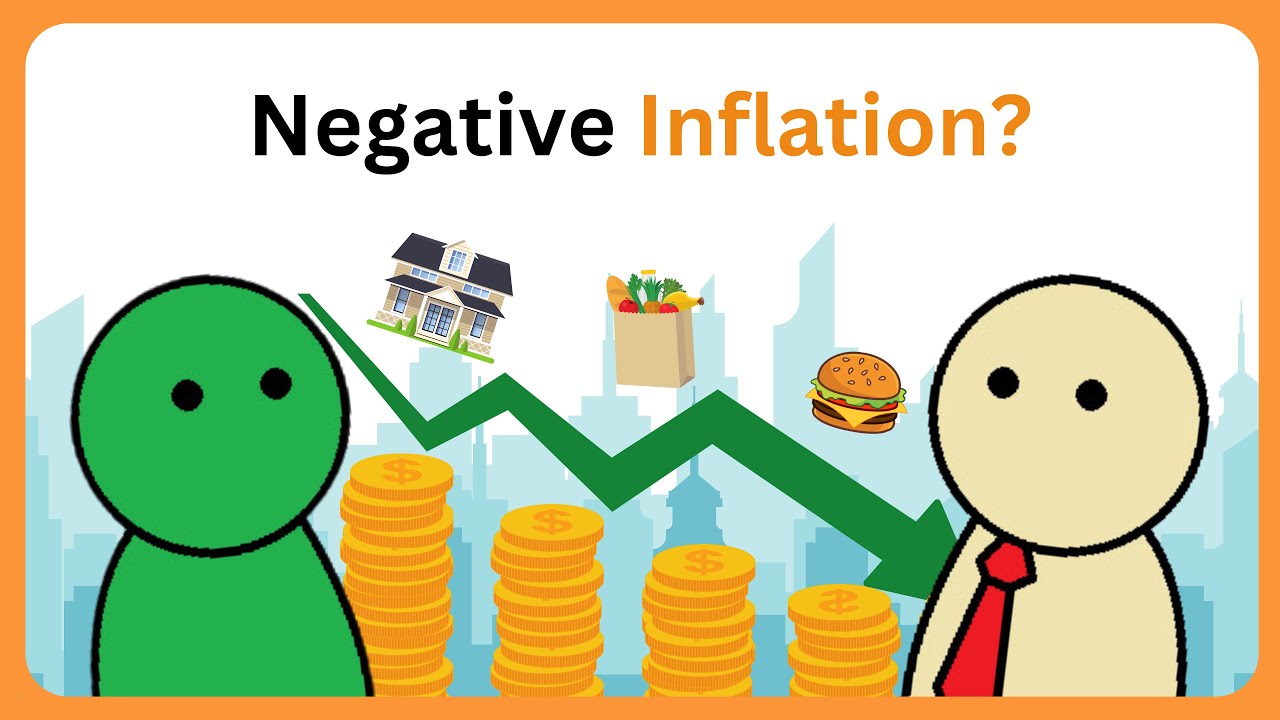
What If Inflation Goes Negative? Deflation Explained
⚡ THE VIBE
✨Good Deflation is a fascinating economic phenomenon where falling prices are driven by **increased productivity** and **technological advancements**, leading to higher purchasing power and improved living standards, rather than a catastrophic economic downturn.
§1What is Good Deflation? 💡
Imagine a world where your money buys more stuff next year than it does today, not because the economy is collapsing, but because everything is getting cheaper to produce and better quality! That, in a nutshell, is Good Deflation, sometimes playfully called 'beneficial deflation' or 'supply-side deflation'. Unlike its scary cousin, Bad Deflation, which is characterized by a demand-side collapse, unemployment, and a deflationary spiral, good deflation is a sign of a thriving, innovative economy. It's like getting a permanent discount code on life itself! 🚀
§2The Engine Behind the Savings: Innovation & Efficiency ⚙️
So, what sparks this economic magic? Good deflation isn't about people stopping spending; it's about the cost of production plummeting. Think about it: the price of computing power has fallen dramatically over decades, not because demand for computers vanished, but because microchips became exponentially more powerful and cheaper to manufacture. This is the hallmark of good deflation:
- Technological Breakthroughs: Innovations like AI, automation, and advanced manufacturing make goods and services cheaper to create.
- Increased Productivity: Workers and systems become more efficient, producing more output with the same or fewer inputs.
- Global Competition: Fierce competition, often fueled by globalization, pushes companies to innovate and lower prices to win market share.
These forces create a virtuous cycle where businesses pass on savings to consumers, boosting their purchasing power without needing wage hikes. It's a win-win! 🌟
§3Good vs. Bad: The Crucial Distinction ⚖️
Understanding the difference between good and bad deflation is paramount for policymakers. Bad Deflation (or 'demand-side deflation') is typically triggered by a severe drop in aggregate demand, leading to widespread unemployment, wage cuts, and a vicious cycle where consumers delay purchases expecting further price drops, further stifling demand. Think of the Great Depression or Japan's 'Lost Decades'. 📉
Good Deflation, conversely, is a supply-side phenomenon. Demand remains robust, or even increases, as consumers enjoy the benefits of lower prices. It's characterized by:
- Strong Economic Growth: GDP continues to expand.
- Low Unemployment: Jobs are plentiful.
- Rising Real Wages: Even if nominal wages are stagnant, people can buy more with their earnings.
It's the difference between a market correction after an unsustainable boom (bad) and the natural evolution of an efficient, innovative market (good). 🧠
§4Real-World Echoes & Future Prospects 🌐
While pure, widespread good deflation across an entire economy is rare and often masked by other inflationary pressures, we've seen powerful examples in specific sectors. The tech industry is a prime example: computing, data storage, and communication costs have plummeted for decades, providing immense value to consumers and businesses. Think of how much more powerful your smartphone is today for a fraction of the inflation-adjusted cost of a 1990s desktop PC! 📱
As we look to 2026 and beyond, with advancements in robotics, renewable energy, and biotechnology, the potential for good deflation to impact more sectors is growing. Imagine energy costs dropping due to hyper-efficient solar, or healthcare becoming more affordable through AI-driven diagnostics and personalized medicine. The challenge for central banks is to distinguish between these beneficial price drops and the more dangerous, demand-driven variety, ensuring their policies don't stifle innovation in the name of fighting inflation. It's a delicate balance! ⚖️