Deepfakes
When reality gets a digital facelift... or a sinister swap. 🎭
Featured partners and sponsors
New advertisers get $25 in ad credits
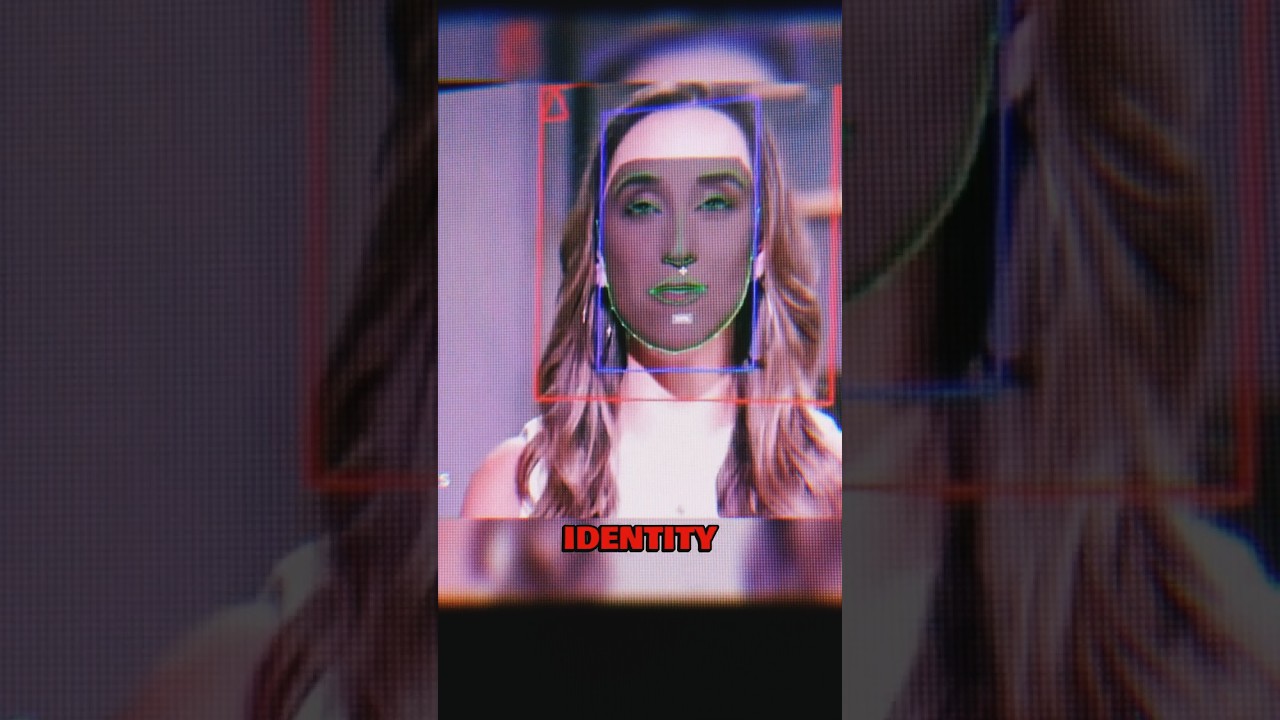
The Terrifying Rise of AI Deepfakes — And How They're Being Weaponized
⚡ THE VIBE
✨Deepfakes are hyper-realistic synthetic media, primarily videos and audio, created using powerful AI algorithms to manipulate or generate human likenesses and voices, blurring the lines between what's real and what's digitally fabricated. 🤯
§1The Dawn of Digital Deception: What Are Deepfakes? 🌌
Imagine a video where a famous politician says something they never uttered, or a beloved actor appears in a film they never shot. That's the unsettling, yet fascinating, world of deepfakes. Born from the fusion of advanced machine learning techniques, particularly Generative Adversarial Networks (GANs) and autoencoders, deepfakes allow for the creation of incredibly convincing, yet entirely artificial, media. They're not just simple edits; they're sophisticated digital constructs where one person's face or voice is seamlessly superimposed onto another, often with astonishing realism. 🤖 This technology represents a quantum leap from traditional video editing, moving from manual manipulation to AI-driven generation, making it accessible to a wider range of creators – for better or worse. It's a true testament to the rapid evolution of Artificial Intelligence and Machine Learning.
§2From Reddit to Reality: The Origin Story 🚀
The term "deepfake" itself emerged in late 2017 from a Reddit user, aptly named 'deepfakes,' who used open-source machine learning algorithms to swap celebrity faces into adult videos. This initial, controversial application quickly brought the technology into the public eye and sparked widespread debate. However, the underlying AI techniques had been brewing for years in academic research. Key breakthroughs in Neural Networks and GANs, pioneered by researchers like Ian Goodfellow in 2014, laid the groundwork. These networks learn to generate new data by pitting two neural networks against each other: a 'generator' that creates fakes and a 'discriminator' that tries to spot them. Through this adversarial training, the generator becomes incredibly adept at producing media indistinguishable from reality. The accessibility of powerful GPUs and open-source frameworks like TensorFlow and PyTorch democratized this complex technology, moving it from specialized labs into the hands of enthusiasts and, unfortunately, malicious actors. 💻
§3How the Magic (and Menace) Happens ✨
At its core, deepfake creation often involves a two-stage process. First, an AI model is trained on a vast dataset of images or videos of a source person (whose face/voice will be swapped onto another) and a target person (whose body/audio will be used). The AI learns the intricate facial expressions, head movements, and vocal nuances of both. Second, during the generation phase, the AI then reconstructs the target media, seamlessly replacing the target's face or voice with that of the source. For video, this typically involves:
- Face Swapping: The most common type, where one person's face is digitally grafted onto another's body.
- Voice Cloning: AI learns a person's vocal patterns and can then generate new speech in their voice.
- Lip Syncing: Manipulating a person's mouth movements to match a new audio track.
Sophisticated deepfake algorithms can even synthesize entirely new human figures or generate realistic speech from text. The more data the AI has, the more convincing the deepfake. This process is computationally intensive, requiring significant processing power, but the results can be eerily lifelike, making detection increasingly challenging. 🕵️♀️
§4The Double-Edged Sword: Impact & Implications ⚖️
Deepfakes are a quintessential example of technology as a double-edged sword. On one side, they offer incredible creative potential. Artists and filmmakers are exploring deepfakes for:
- Entertainment: De-aging actors for films, bringing historical figures to life, creating virtual influencers, or even generating personalized content. Imagine a game where you can interact with a perfectly rendered historical figure! 🎬
- Education: Visualizing historical events or complex concepts with greater immersion.
- Accessibility: Creating synthetic voices for those who have lost their own, or translating videos into multiple languages with accurate lip-syncing.
However, the darker side is profoundly concerning. Deepfakes pose significant threats to:
- Truth and Trust: Spreading misinformation, propaganda, and fake news, especially in political contexts, can erode public trust in media and institutions. 📢
- Reputation and Privacy: Non-consensual deepfake pornography (a prevalent and harmful use), blackmail, and harassment can devastate individuals' lives.
- Security: Impersonating executives for financial fraud or creating convincing phishing attacks.
Governments, tech companies, and researchers are actively working on deepfake detection tools and legislation to combat misuse, but it's a constant arms race against increasingly sophisticated generation techniques. The ethical dilemmas surrounding deepfakes are complex and far-reaching, forcing us to redefine our relationship with digital media. 🚨