Cultural Appropriation
When inspiration crosses the line into exploitation and erasure.
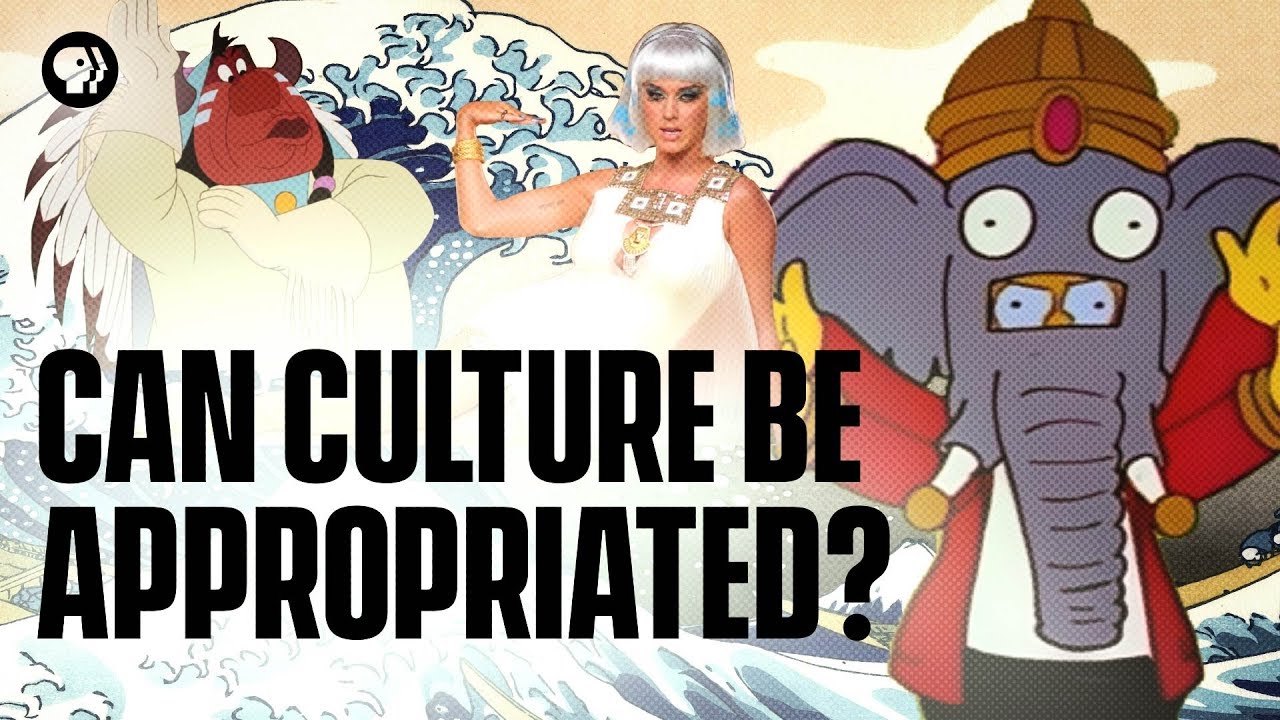
What is Cultural Appropriation?
TL;DR
Cultural appropriation is the adoption or use of elements of a minority culture by members of the dominant culture, often without understanding, acknowledgment, or respect for their original meaning or context. It's a concept that sparks vital conversations about power, privilege, and authenticity in a globalized world.
Imagine a world where your most cherished traditions, your sacred symbols, or your unique aesthetic expressions are plucked from their roots, stripped of their significance, and paraded as a 'new trend' by someone from a more powerful group. This isn't just a hypothetical; it's the lived experience that defines cultural appropriation. Unlike benign cultural exchange, which implies mutual respect and understanding, appropriation occurs when elements of a marginalized culture are taken by a dominant culture, often for profit or novelty, without proper attribution, context, or permission.
The concept gained significant traction in academic discourse, particularly through post-colonial theory and critical race studies, emerging prominently in the late 20th century. Scholars began to dissect how power imbalances manifest in cultural interactions, moving beyond simple 'inspiration' to examine the historical legacies of colonialism, exploitation, and systemic inequality. It's not just about wearing a kimono; it's about *who* is wearing it, *why*, and what that act signifies within a broader societal context where the originating culture has historically been suppressed or exoticized.
The nuances are critical. For instance, a chef creating a fusion dish might be celebrated for innovation, while another might be accused of appropriation if they profit from a traditional recipe without acknowledging its origins or the community from which it came, especially if that community struggles economically. The key distinction often lies in the power dynamic: when the dominant culture takes from the marginalized, it often reinforces existing inequalities, trivializes deeply held beliefs, or commodifies identity without giving back to the source community. It's the difference between sharing a meal with a friend and stealing their recipe to open a restaurant.
In the 2020s, the conversation around cultural appropriation has exploded, fueled by social media's rapid dissemination of information and critique. From fashion runways featuring Indigenous designs without consent to pop stars donning religious symbols as mere accessories, these instances are quickly called out, leading to public apologies, boycotts, and crucial educational moments. This heightened awareness underscores a collective desire for more ethical and equitable cultural engagement, pushing for genuine appreciation and collaboration over thoughtless consumption.
Understanding cultural appropriation isn't about policing creativity or stifling cross-cultural dialogue; it's about fostering a more respectful and just global community. It challenges us to reflect on our own positions of privilege, to educate ourselves on the histories and meanings behind cultural expressions, and to prioritize the voices and experiences of those from whom we might seek inspiration. It's a call to move from taking to truly understanding, from consuming to genuinely connecting, ensuring that cultural exchange enriches everyone, rather than further marginalizing the already vulnerable.