Intersectionality
Unpacking the complex tapestry of identity and power. 🌐
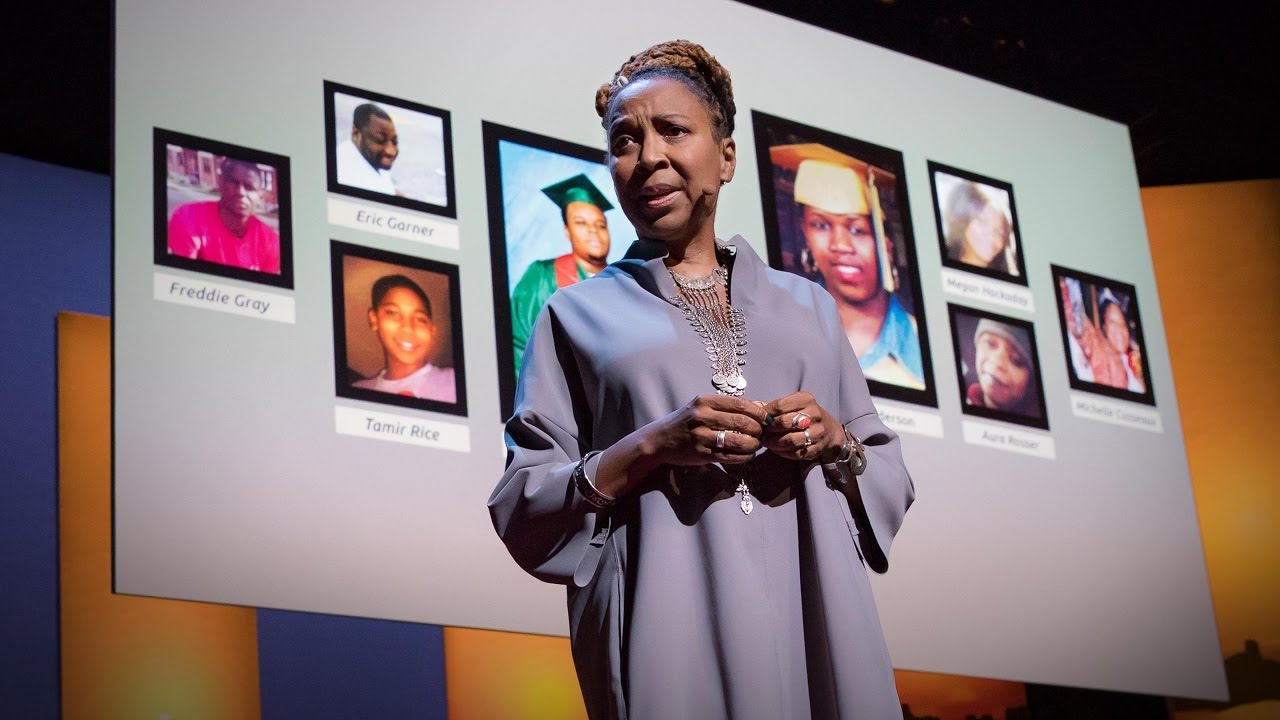
The urgency of intersectionality | Kimberlé Crenshaw | TED
⚡ THE VIBE
✨Intersectionality is a groundbreaking framework that reveals how various social and political identities — like race, class, gender, and sexual orientation — combine to create unique modes of discrimination and privilege, challenging us to see the world in its full, intricate complexity. 🧩
§1The 'Aha!' Moment: Origins & Definition 🤯
Imagine trying to understand a complex tapestry by only looking at one thread at a time. That's what understanding social justice was like before Intersectionality burst onto the scene! Coined in 1989 by legal scholar Kimberlé Crenshaw, this term wasn't just a fancy academic word; it was a desperate need to describe the lived experiences of Black women. Crenshaw observed that anti-discrimination laws often treated race and gender as separate, mutually exclusive categories. This meant that the specific forms of discrimination faced by Black women, which were neither just racial nor just gender-based, but a unique blend of both, were often invisible to the legal system. ⚖️ She argued that these different aspects of identity don't just add up; they intersect in complex ways, creating a distinct experience of oppression or privilege. It's like a crossroads where multiple roads of identity meet, and the traffic patterns are unique to that specific intersection. 🚦
§2More Than Just 'Adding Up' Identities ✨
The core of intersectionality isn't simply that someone can be, for example, 'Black and a woman.' It's about understanding that being a Black woman creates a qualitatively different experience from being a white woman or a Black man. Their struggles and triumphs are shaped by the synergy of these identities. Think of it this way: a car crash at an intersection isn't just two separate crashes; it's a single, complex event caused by the convergence of multiple factors. Similarly, the discrimination faced by a queer, disabled, Indigenous woman is not merely the sum of homophobia, ableism, and racism; it's a distinct, compounded form of oppression that requires its own analysis and solutions. This framework challenges us to move beyond single-axis thinking and embrace the beautiful, messy complexity of human identity. 🌈 It's a call to recognize that privilege and oppression are not monolithic but operate on multiple, overlapping axes. 🌍
§3Why It Matters: Real-World Impact & Applications 🚀
Intersectionality isn't just for academics; it's a vital tool for understanding and addressing real-world inequalities. From healthcare disparities to workplace discrimination, and from political representation to cultural narratives, this framework helps us pinpoint where systems fail specific groups. For instance, understanding why certain health conditions disproportionately affect women of color requires an intersectional lens, considering both racial bias in medicine and gender-specific health issues. In activism, it encourages inclusive movements that don't leave anyone behind, ensuring that the voices of the most marginalized are amplified. 📢 It has profoundly influenced fields like Critical Race Theory, feminist studies, queer theory, and disability justice. By revealing these hidden dynamics, intersectionality empowers us to build more equitable and just societies, creating policies and practices that truly serve everyone. It’s about making the invisible visible! 👀
§4The Nuance & The Naysayers: Debates & Misconceptions 🤔
Like any powerful idea, intersectionality has faced its share of debate and misunderstanding. Some critics argue it leads to 'identity politics' that divide rather than unite, or that it creates an 'oppression Olympics' where groups compete over who is more marginalized. However, proponents argue that these criticisms often miss the point: intersectionality aims to unite by ensuring that diverse experiences within movements are acknowledged and addressed, rather than overlooked. It's about building broader coalitions, not fragmenting them. Others misinterpret it as simply 'adding up' disadvantages, rather than recognizing the qualitative difference created by intersecting identities. The challenge lies in applying the framework thoughtfully, avoiding oversimplification, and always centering the lived experiences of those at the intersections. It's a dynamic concept, constantly evolving as our understanding of identity deepens. 🧠
§5Looking Ahead: The Future of Intersectional Thought 🌟
In 2026, intersectionality remains as relevant as ever, perhaps even more so. As global challenges like climate change, economic inequality, and technological disruption continue to unfold, their impacts are never uniform. An intersectional approach helps us understand how these crises disproportionately affect certain communities, often those already marginalized. 🌎 For example, climate change impacts are felt most acutely by Indigenous communities and people of color, who often lack the resources to adapt. The framework continues to evolve, incorporating new understandings of neurodiversity, digital divides, and global power dynamics. It encourages us to constantly question who is being left out, whose stories are not being told, and how we can build a future that truly works for all. It's a commitment to radical empathy and comprehensive justice. ❤️🔥 The journey towards a truly inclusive world starts with seeing every single person, in all their intricate, interwoven glory. 🚀